What Is A Budgie: The Ultimate Guide to These Charming Pets
A budgie, also known as a budgerigar or parakeet, is a small, colorful bird native to Australia. These birds are popular pets due to their vibrant colors and friendly nature.
Budgies belong to the parrot family and are known for their intelligence and ability to mimic sounds. They have a cheerful disposition and are easy to care for, making them perfect for first-time bird owners. Budgies enjoy social interaction and can form strong bonds with their human companions.
With proper care, a budgie can live up to 10-15 years. They thrive in environments where they can exercise and explore. Regular interaction and mental stimulation keep them happy and healthy. These birds also come in a variety of colors, adding beauty to any home.
:strip_icc()/close-up-of-budgerigars-perching-on-branch-909976322-5b4bf18746e0fb005bc62377.jpg)
Credit: www.thesprucepets.com
Introduction To Budgies
Budgies, also known as budgerigars or parakeets, are small, colorful birds. They are popular pets due to their playful nature and bright feathers. These birds are easy to care for and can bring joy to any home.
What Makes Budgies Special
Budgies are special because of their vibrant colors. They come in shades of green, blue, yellow, and white. They are also known for their friendly personalities. Budgies can mimic sounds and even learn to talk.
They have a lifespan of about 5 to 10 years. With proper care, some budgies can live even longer. These birds are very social and enjoy the company of humans and other budgies.
Budgies are also very intelligent. They love playing with toys and solving simple puzzles. They are curious creatures and enjoy exploring their surroundings.
Brief History
Budgies originated from Australia. They were first discovered in the wild in the early 1800s. Native Australians called them “budgerigar,” which means “good food” in their language. European settlers brought budgies to Europe in the mid-1800s.
Budgies became popular pets in Europe. Their bright colors and friendly nature made them favorites. They were bred in captivity, leading to many color variations. Today, budgies are one of the most popular pet birds worldwide.
Below is a table summarizing important facts about budgies:
| Characteristic | Details |
|---|---|
| Origin | Australia |
| Colors | Green, blue, yellow, white |
| Lifespan | 5 to 10 years |
| Social Nature | Very friendly and social |
Physical Characteristics
Budgies, also known as parakeets, are small birds full of color and life. Understanding their physical characteristics can help you care for them better. Let’s dive into what makes these little birds unique.
Size And Color Variations
Budgies are small birds with a length of 7 inches. They typically weigh between 1 to 1.4 ounces. Their body shape is slender and streamlined.
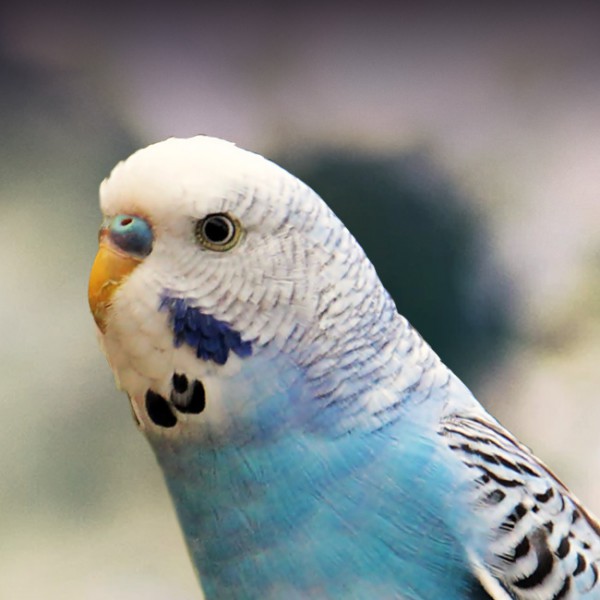
Budgies come in many colors. The most common colors include green and yellow. Blue, white, and gray variations also exist. Breeders have created over 30 color varieties.
| Color | Description |
|---|---|
| Green | The most common and natural color. |
| Yellow | Bright and sunny, often with green patches. |
| Blue | Ranges from sky blue to deep violet. |
| White | Pure white or with subtle blue hints. |
| Gray | Shades vary from light to dark gray. |
Lifespan
Budgies live between 5 to 10 years. Some may live up to 15 years with proper care. Factors affecting their lifespan include diet, environment, and healthcare.
Providing a balanced diet is essential. Fresh fruits, vegetables, and quality seeds are crucial. Regular vet check-ups can also extend their lifespan.
- Maintain a clean living space.
- Offer a variety of foods.
- Ensure regular exercise and mental stimulation.
Understanding these physical traits helps in providing better care. Your budgie will thrive in a well-maintained environment.
Budgie Behavior
Understanding budgie behavior can help you bond with your feathered friend. Budgies, also known as parakeets, are small, lively birds. They bring joy and activity into any home. Let’s dive into their common traits and social interactions.
Common Traits
Budgies are known for their playful nature and bright colors. They love to chirp and sing, filling your home with cheerful sounds. Budgies are very active and need space to fly and play. Here are some common traits of budgies:
- Playfulness: Budgies enjoy toys and games.
- Curiosity: They love exploring their surroundings.
- Chirping: Budgies communicate with various sounds.
- Colorful Feathers: Their vibrant colors are eye-catching.
- Active: They need regular exercise to stay healthy.
Social Interactions
Budgies are social birds and thrive on interaction. They love to be around other budgies and humans. Social interaction keeps them happy and healthy. Here are some ways budgies interact socially:
| Type of Interaction | Description |
|---|---|
| Chirping Together | Budgies often chirp in unison with their flock. |
| Preening | They groom each other’s feathers as a sign of affection. |
| Playing | Budgies play with toys and each other. |
| Mimicking Sounds | They mimic sounds and sometimes human speech. |
To keep your budgie happy, spend time interacting with them daily. Talk to them, play with them, and provide plenty of toys. Your budgie will appreciate your attention and return the affection.
:strip_icc()/facts-about-budgies-390923_final-79ac99ea468642bd9459497b91d0cbdd.png)
Credit: www.thesprucepets.com
Diet And Nutrition
Understanding the diet and nutrition of your budgie is crucial. A balanced diet ensures your budgie stays healthy, active, and happy. Let’s explore the essential foods and foods to avoid for your feathered friend.
Essential Foods
- Seeds: Seeds are a staple in a budgie’s diet. Opt for a high-quality seed mix.
- Pellets: Pellets provide balanced nutrition. Ensure they form part of the diet.
- Fruits: Fresh fruits like apples, bananas, and grapes are great. Serve in small pieces.
- Vegetables: Leafy greens, carrots, and broccoli are excellent. These should be washed and chopped.
- Grains: Whole grains like cooked rice and quinoa are beneficial. They add variety to the diet.
| Essential Food | Benefits |
|---|---|
| Seeds | Provide essential fats and proteins |
| Pellets | Ensure balanced nutrition |
| Fruits | Supply vitamins and minerals |
| Vegetables | Rich in vitamins and fiber |
| Grains | Offer complex carbohydrates |
Foods To Avoid
- Avocado: Avocado is toxic to budgies. Never offer this fruit.
- Chocolate: Chocolate contains theobromine. It is harmful to budgies.
- Caffeine: Avoid tea, coffee, and any caffeinated drinks.
- Salt: High salt content can be dangerous. Keep salty foods away.
- Alcohol: Alcohol is extremely toxic. Ensure it is never accessible.
Keep your budgie’s diet varied and balanced. This ensures they receive all necessary nutrients. Monitor their diet closely for any changes or reactions.
Housing And Environment
Budgies, also known as parakeets, are charming and vibrant birds. They thrive in a safe and stimulating environment. Here’s a guide to creating the perfect home for your feathered friend.
Cage Requirements
A spacious cage is crucial for your budgie’s well-being. Choose a cage with horizontal bars for easy climbing. The cage should be at least 18 inches wide, 18 inches deep, and 24 inches high. This size allows your budgie to stretch and flap its wings.
Ensure the cage has multiple perches made from natural wood. Avoid plastic perches as they can harm your budgie’s feet. Position the cage in a quiet, draft-free area away from direct sunlight.
| Feature | Requirement |
|---|---|
| Minimum Cage Size | 18″ W x 18″ D x 24″ H |
| Bar Spacing | 1/2 inch |
| Perch Material | Natural Wood |
| Location | Quiet and Draft-Free |
Toys And Accessories
Budgies are intelligent birds that need mental stimulation. Provide a variety of toys to keep them entertained. Opt for toys that encourage climbing, chewing, and foraging.
Here are some essential toys and accessories:
- Swings: Budgies love to swing and it helps them stay active.
- Chew Toys: Natural materials like wood or paper are ideal.
- Ladders: These promote climbing and exercise.
- Mirrors: Budgies enjoy looking at their reflections.
- Foraging Toys: Hide treats to stimulate their natural foraging instincts.
Rotate toys regularly to keep your budgie engaged and prevent boredom. Make sure all toys are safe and free from small parts that could be swallowed.
Health And Wellness
Budgies, also known as parakeets, are delightful and colorful birds. Ensuring their health and wellness is key to a happy and active pet. This section will cover the common health issues and preventive care tips for your budgie.
Common Health Issues
Budgies can face various health problems. Knowing these issues helps in early detection and treatment.
- Respiratory Infections: Symptoms include sneezing, coughing, and nasal discharge.
- Feather Plucking: This could be a sign of stress or illness.
- Parasites: Mites and lice can affect budgies.
- Obesity: Overfeeding and lack of exercise lead to obesity.
- Psittacosis: A bacterial infection that can be transmitted to humans.
Preventative Care
Preventing health issues is better than treating them. Follow these tips to keep your budgie healthy:
- Regular Vet Check-ups: Schedule annual visits to an avian vet.
- Clean Environment: Keep the cage clean to prevent infections.
- Balanced Diet: Provide a mix of seeds, fruits, and vegetables.
- Exercise: Ensure your budgie has space to fly and play.
- Observation: Watch for any changes in behavior or appearance.
By following these steps, you can ensure your budgie stays healthy and happy.
Training And Bonding
Training and bonding with your budgie is essential. It helps in building trust and a lasting friendship. Start with simple commands and gradually move to more complex tricks. Patience and consistency are key.
Basic Commands
Teaching basic commands is the first step in training your budgie. These commands can help in managing your bird’s behavior. Some common commands include:
- Step Up: Gently push your finger against the budgie’s chest.
- Step Down: Place your budgie on a perch or your hand.
- Come Here: Use a treat to lure your budgie towards you.
Practice these commands daily. Consistency and rewards will make training fun.
Building Trust
Building trust takes time but is vital for a strong bond. Start by spending time near the cage. Talk softly to your budgie. Let it get used to your presence.
Gradually, offer your budgie treats from your hand. This action will help in gaining its trust. Avoid sudden movements that can scare your budgie.
Use a training schedule to keep track of progress. Ensure sessions are short but regular. This will make your budgie feel safe and loved.
| Activity | Duration | Frequency |
|---|---|---|
| Training Commands | 10 minutes | Daily |
| Bonding Time | 15 minutes | Twice a day |
| Playtime | 20 minutes | Every other day |
By following these steps, your budgie will become a friendly and well-trained companion.
Breeding Budgies
Breeding budgies can be an exciting and rewarding experience. Budgies, also known as parakeets, are popular pets due to their bright colors and friendly nature. This section covers the basics of breeding and caring for budgie chicks.
Breeding Basics
Before starting, ensure you have a healthy pair of budgies. They should be at least one year old. Provide a spacious cage and a nesting box. The box should be 12×12 inches with a concave floor.
Feed them a balanced diet with seeds, fruits, and vegetables. Include calcium supplements to aid egg production. Observe their behavior; they should bond and start mating within weeks.
Once the female lays eggs, incubation begins. The female will sit on the eggs for 18-21 days. During this time, avoid disturbing the nest.
Caring For Chicks
After hatching, the chicks are very fragile. The mother will feed them for the first few weeks. Ensure the parents have enough food and water. Monitor the chicks’ growth and health daily.
At around three weeks, the chicks start to grow feathers. You can begin hand-feeding them soft foods. Slowly introduce them to seeds and pellets.
By six weeks, the chicks are usually ready to leave the nest. Separate them from their parents to avoid aggression. Continue to monitor their health and diet.
Below is a summary table for quick reference:
| Stage | Duration | Care Tips |
|---|---|---|
| Egg Incubation | 18-21 days | Minimal disturbance |
| Feeding by Mother | 3 weeks | Ensure food and water for parents |
| Hand-Feeding | 3-6 weeks | Introduce soft foods |
| Weaning | 6 weeks | Separate from parents |
By following these steps, you can ensure a healthy breeding process for your budgies.
Credit: lafeber.com
Frequently Asked Questions
What Is A Budgie?
A budgie, short for budgerigar, is a small parrot native to Australia. They are popular as pets.
How Long Do Budgies Live?
Budgies typically live for 5 to 10 years. With proper care, they can live even longer.
Are Budgies Good Pets?
Yes, budgies make excellent pets. They are social, intelligent, and relatively easy to care for.
What Do Budgies Eat?
Budgies eat a diet primarily of seeds and pellets. Fresh fruits and vegetables are also important.
Conclusion
Budgies make delightful pets with their vibrant colors and playful nature. They are easy to care for and bond with. Understanding their needs ensures a happy, healthy bird. Whether you’re a beginner or experienced pet owner, a budgie can bring joy and companionship into your home.
Consider adopting one today.