11 Different Types Of Budgie Behavior And What They Mean: Decode Actions
Budgies exhibit various behaviors like chirping, head bobbing, and feather fluffing. Each behavior communicates different emotions and needs.
Budgies, also known as parakeets, are small, vibrant birds known for their playful and social nature. Understanding their behavior can help you better care for them and strengthen your bond. They use specific actions to express feelings, needs, and health conditions.
Recognizing these behaviors can make your pet happier and healthier. This guide will explore 11 common budgie behaviors and what they signify. From chirping to feather fluffing, each behavior has a unique meaning. By understanding these cues, you can ensure your budgie feels safe, loved, and well-cared-for.

Credit: en.wikipedia.org
Head Bobbing
Budgies exhibit a variety of behaviors that can convey different emotions and needs. One of the most intriguing behaviors is head bobbing. This action can have multiple meanings based on the context and the bird’s surroundings. Understanding head bobbing can help you connect better with your feathered friend.
Excitement
Head bobbing often signifies excitement. When a budgie is happy or sees something interesting, it may bob its head up and down. This action is common during playtime or when they are exploring new toys. It’s their way of expressing joy and curiosity.
| Context | Behavior | Meaning |
|---|---|---|
| Playtime | Head Bobbing | Excitement |
| New Toys | Head Bobbing | Curiosity |
Attention Seeking
Budgies also use head bobbing to seek attention from their owners. If your budgie bobs its head when you are near, it may want to interact with you. This could be a sign that it wants to be petted or played with.
- Proximity to owner
- Head Bobbing
- Seeking Attention
Understanding these behaviors can deepen your bond with your budgie. By recognizing the signs of excitement and attention-seeking, you can respond appropriately and keep your bird happy.
Wing Flapping
Wing flapping is a common behavior in budgies. It can indicate several things. Understanding this behavior helps you care for your budgie better. Let’s dive into the reasons behind wing flapping.
Exercise
Budgies need to stay active. Wing flapping is a form of exercise. It helps them stretch their muscles. This is especially important if they are in a cage. Make sure your budgie has enough space. They need to move freely to stay healthy. Wing flapping can also indicate excitement. Your budgie might be happy to see you.
Overheating
Overheating can cause wing flapping. Budgies flap their wings to cool down. If your budgie flaps its wings often, check the temperature. Ensure the cage is in a cool, shaded area. Provide fresh water at all times. Overheating can stress your budgie. Make sure your budgie is comfortable and cool.
Tail Wagging
Budgies are fascinating creatures with a variety of behaviors that communicate their feelings. One of the most common and intriguing behaviors is tail wagging. Understanding what tail wagging means can help you better care for your feathered friend.
Happiness
When a budgie wags its tail, it often signifies happiness. They may do this after eating or playing. Think of it as a small dance of joy. If your budgie wags its tail frequently, it’s a good sign. Your pet is content and satisfied.
Settling Down
Tail wagging can also indicate that a budgie is settling down. This usually happens before they rest or sleep. You might notice them fluffing their feathers and wagging their tail. It’s their way of getting comfortable. This behavior shows they feel safe in their environment.
| Behavior | Meaning |
|---|---|
| Happiness | Indicates joy and contentment |
| Settling Down | Preparing to rest or sleep |
- Observe tail wagging after meals
- Notice tail wagging before sleep
- Recognize the difference between happiness and settling down
By understanding these behaviors, you can better care for your budgie. Recognizing tail wagging helps you ensure they are happy and comfortable.
Beak Grinding
Budgies are fascinating creatures with unique behaviors. One such behavior is beak grinding. This behavior is often seen when budgies are at ease. Understanding beak grinding can help you better care for your feathered friend.
Contentment
Beak grinding is a sign of contentment in budgies. When a budgie grinds its beak, it feels safe and happy. This behavior often occurs during quiet times. It shows that your budgie is relaxed. You might hear a soft, crackling sound. This sound is a good sign.
Sleep Preparation
Budgies also grind their beaks to prepare for sleep. Beak grinding helps them wind down. It indicates that your budgie is getting ready for bed. You might notice this behavior in the evening. This is a natural part of their routine.
Understanding these behaviors can improve your bond with your budgie. Recognize these signs to ensure your budgie feels secure and content.
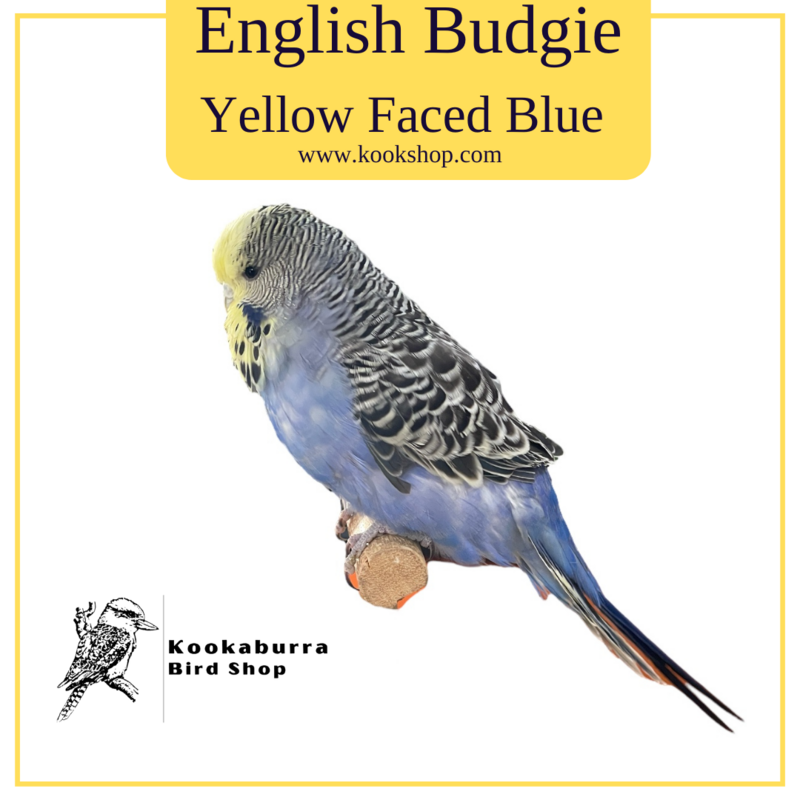
Feather Ruffling
Budgies are fascinating creatures with a range of behaviors. One common behavior is feather ruffling. This action can mean different things depending on the context. Understanding feather ruffling is crucial for budgie owners.
Comfort
Budgies often ruffle their feathers for comfort. This helps them adjust their feathers and feel cozy. When your budgie feels safe, it might ruffle its feathers. This action can also indicate relaxation. A happy and relaxed budgie often ruffles its feathers.
Drying Off
After a bath, budgies will ruffle their feathers to dry off. This helps them shake off excess water. It’s a natural behavior to maintain their health. Wet feathers can lead to discomfort and health issues. Hence, drying off with feather ruffling is essential.
Credit: www.kookshop.com
Head Tilting
Budgies, also known as parakeets, exhibit a variety of fascinating behaviors. One such behavior is head tilting. This action can mean different things based on the context. Understanding these meanings can help you better connect with your budgie.
Curiosity
When a budgie tilts its head, it may be showing curiosity. This is a common behavior, especially when they see something new. Budgies are naturally inquisitive creatures. A tilted head often means they are exploring their surroundings.
They might tilt their head to get a better view. This is their way of studying an object or person. So, if you notice your budgie tilting its head, it could be trying to understand something new in its environment.
Listening
Head tilting can also signify that your budgie is listening closely. Budgies have excellent hearing and are very attentive to sounds. When they hear an interesting noise, they may tilt their head.
This behavior helps them pinpoint the source of the sound. It’s a way for them to focus their attention. If you talk to your budgie and it tilts its head, it means it’s paying attention to you.
Head tilting is a charming and useful behavior. It shows your budgie’s curiosity and attentiveness. Observing this can help you understand what your pet is thinking.
Regurgitation
Budgies, also known as parakeets, exhibit a variety of behaviors. One intriguing behavior is regurgitation. This action involves a budgie bringing up food. It may seem odd, but it has significant meanings.
Affection
Regurgitation often signifies affection. Budgies regurgitate to show love to their owners. A budgie may bob its head and then bring up food. This act is a sign of deep bonding. If your budgie regurgitates on you, it means you are trusted. Budgies also do this with their bonded mates. They feed each other to strengthen their bond.
Courtship
During courtship, regurgitation plays a crucial role. Male budgies regurgitate to attract females. This behavior shows they can provide food. It demonstrates their ability to care for potential offspring. Females often respond positively to this act. It is an essential part of their mating ritual. This behavior ensures the survival of their species.

Credit: mazuri.com
Biting
Understanding why your budgie bites can improve your relationship. Budgies bite for various reasons, and each bite tells a story. This section explores the reasons behind biting, focusing on fear and territorial behavior.
Fear
Budgies often bite due to fear. They may feel threatened or unsafe. New environments, loud noises, or sudden movements can scare them.
- A fearful budgie’s feathers puff up.
- They might hiss or make warning sounds.
- Their bites are quick and defensive.
Creating a calm, safe space can reduce biting from fear. Speak softly and move slowly around your budgie. This helps them feel secure and less likely to bite.
Territorial Behavior
Budgies can be very territorial. They may bite to defend their space. This includes their cage, toys, or favorite perch.
- Signs of territorial behavior include aggressive postures.
- They may spread their wings and tail feathers.
- These bites are deliberate and strong.
Respect your budgie’s space to avoid these bites. Allow them to come to you instead of reaching into their territory. This can help reduce territorial biting.
Singing
Budgies are known for their delightful singing. This behavior is common among happy budgies. Singing can convey various emotions and intentions. Understanding these nuances can help you bond better with your feathered friend.
Joy
When a budgie sings, it often expresses joy. Happy budgies sing to show contentment. You might notice your budgie singing in the morning. This is a sign that they are in a good mood. Singing can also occur after a satisfying meal. Your budgie feels happy and secure. This behavior means they are enjoying their environment.
Communication
Budgies also use singing for communication. They might sing to get your attention. Singing can be a way to call out to other budgies. In a group, budgies sing to strengthen social bonds. Each budgie has a unique song. By singing, they establish their identity. If you hear your budgie singing, they might be trying to tell you something. Pay attention to the context and the time of day. Understanding their singing can help you respond better.
| Behavior | Meaning |
|---|---|
| Singing in the morning | Expressing joy and contentment |
| Singing after a meal | Feeling satisfied and secure |
| Singing to other budgies | Strengthening social bonds |
| Singing to you | Trying to communicate |
Listening to your budgie’s singing can be a joyful experience. It helps you understand their emotions and needs better. By paying attention, you can ensure their happiness and well-being.
Mirror Gazing
Budgies are fascinating creatures with unique behaviors that often puzzle their owners. One such behavior is mirror gazing. When a budgie spends time staring at its reflection, it can mean several things. Understanding these behaviors helps in providing better care for your pet.
Loneliness
Mirror gazing often indicates loneliness in budgies. These social birds need companionship. If a budgie is alone, it may use the mirror as a friend. The reflection provides the illusion of another bird. This can make them feel less isolated.
To check if loneliness is the issue, observe other signs. If your budgie chirps to the mirror or tries to interact with it, it might be lonely. Providing another budgie as a companion can be a great solution. Ensure they get along well.
Self-recognition
Another reason for mirror gazing is self-recognition. Budgies are intelligent birds. They may recognize their own reflection. This behavior is a sign of their cognitive abilities. Some budgies enjoy watching themselves.
To test self-recognition, try moving the mirror. If the budgie follows its reflection, it might recognize itself. This behavior can be amusing and shows their mental sharpness.
Feather Plucking
Feather plucking is a common issue among budgies. It can be alarming for owners. Understanding the reasons behind this behavior is crucial. There are various causes for feather plucking. Two of the main reasons include stress and boredom.
Stress
Stress is a major cause of feather plucking in budgies. Various factors can cause stress in budgies. These include changes in environment, loud noises, and poor diet. Budgies show stress through excessive feather plucking. This behavior can lead to bald spots and skin infections. To reduce stress, ensure a calm and stable environment. Also, provide a balanced diet.
Boredom
Boredom is another significant reason for feather plucking. Budgies are intelligent birds and need mental stimulation. Without toys or interaction, they get bored. Boredom leads to destructive behaviors, such as feather plucking. To prevent boredom, provide a variety of toys. Spend quality time interacting with your budgie. Create a stimulating environment for your pet.
| Cause | Signs | Solutions |
|---|---|---|
| Stress | Feather plucking, bald spots | Stable environment, balanced diet |
| Boredom | Feather plucking, destructive behavior | Toys, interaction, stimulation |
Frequently Asked Questions
What Does It Mean When A Budgie Fluffs Up?
When a budgie fluffs up, it often means they are comfortable and relaxed. However, constant fluffing might indicate illness. Monitor their behavior closely.
Why Is My Budgie Chirping Loudly?
Loud chirping usually means your budgie is happy and excited. It can also be a call for attention or communication with other birds.
Why Does My Budgie Bob Its Head?
Head bobbing is a common behavior in budgies. It can indicate excitement, a greeting, or even a mating display. It’s generally a positive sign.
What Does It Mean When A Budgie Is Quiet?
A quiet budgie might be resting or feeling unwell. It’s important to observe other signs of health and consult a vet if concerned.
Conclusion
Understanding budgie behavior helps build a strong bond with your feathered friend. Recognize their actions to ensure they are happy. Respond appropriately to their needs for a healthier relationship. Enjoy the companionship of a well-understood budgie. Keep learning and observing to make your budgie feel loved and secure.