What Is A Spangle Budgie: A Comprehensive Guide
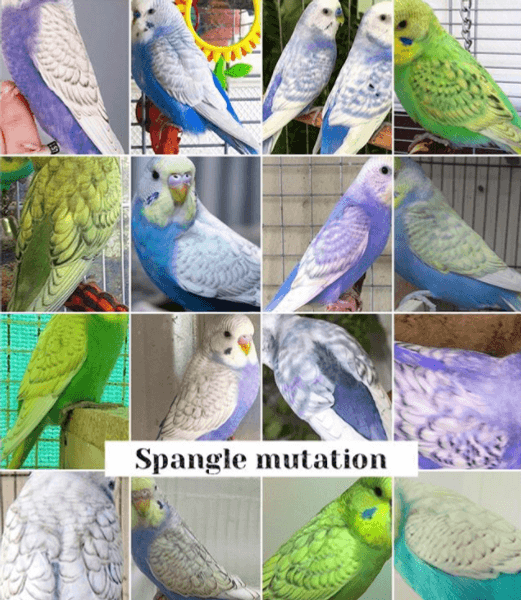
A Spangle Budgie is a variety of budgerigar with unique, distinctive feather patterns. These patterns include alternating light and dark markings.
Spangle Budgies are popular among bird enthusiasts for their striking appearance. They have a vibrant personality and are easy to train. Their unique feather patterns make them stand out compared to regular budgies. These birds are social and thrive in interactive environments.
They enjoy engaging with their human companions and other birds. Spangle Budgies come in various color mutations, adding to their visual appeal. Their care requirements are similar to other budgerigars, needing a balanced diet and regular social interaction. Their playful nature and charming looks make them a delightful addition to any aviary or home.

Credit: www.pinterest.com
Introduction To Spangle Budgies
Spangle Budgies are a unique type of budgerigar. These birds have an eye-catching feather pattern. They are known for their bright colors and lively personalities. Spangle Budgies are a favorite among bird enthusiasts.
Unique Characteristics
Spangle Budgies have distinct feather patterns. Their wing feathers have a special spangle effect. This means the edges of the feathers are lighter. This creates a beautiful contrast with the darker parts.
They also come in various colors. These include blue, green, yellow, and white. Their vibrant colors make them stand out. Spangle Budgies are smaller than other parrots. They are about 7 inches long.
| Characteristic | Description |
|---|---|
| Feather Pattern | Spangle effect with lighter edges |
| Size | About 7 inches long |
| Colors | Blue, green, yellow, white |
Popularity And Appeal
Spangle Budgies are very popular as pets. Their bright colors and friendly nature attract many people. They are easy to care for. This makes them perfect for beginners. They love to interact with their owners. Their playful behavior is entertaining.
Spangle Budgies are also known for their intelligence. They can learn tricks and mimic sounds. Their ability to bond with humans is remarkable. This makes them a beloved pet in many homes.
- Bright colors
- Friendly nature
- Easy to care for
- Intelligent and playful
Physical Appearance
The physical appearance of a spangle budgie is truly captivating. These birds are known for their vibrant colors and unique patterns. They are a favorite among budgie enthusiasts.
Color Variations
Spangle budgies come in a variety of colors. The most common colors include green, blue, yellow, and white.
The spangle pattern is what sets them apart. It creates a striking effect on their feathers. The edges of their feathers are outlined in a different color. This makes the patterns stand out more.
| Color | Description |
|---|---|
| Green | Rich and vivid, often with yellow accents. |
| Blue | Ranges from light sky blue to deep cobalt. |
| Yellow | Bright and cheerful, sometimes with green tints. |
| White | Pure and clean, often paired with blue or grey. |
Size And Shape
Spangle budgies are small, compact birds. Their size ranges from 7 to 8 inches in length.
They have a slender body and a long tail. Their wings are pointed and fit snugly against their body. Spangle budgies have a distinct, hooked beak. This helps them eat seeds and fruits.
Their eyes are bright and expressive. They have a curious and friendly demeanor.
Behavior And Temperament
Spangle budgies are known for their lively and social nature. These birds have unique personalities that make them wonderful pets. Understanding their behavior and temperament can help in building a strong bond with them.
Social Nature
Spangle budgies are very social creatures. They enjoy interacting with their human companions. They thrive in environments where they get plenty of attention. Loneliness can lead to boredom and depression in these birds.
They often enjoy the company of other birds. Keeping them in pairs or small groups can make them happier. They communicate through chirps and whistles, which can be quite entertaining.
Training And Tricks
Training spangle budgies can be a fun and rewarding experience. These birds are intelligent and can learn various tricks. Start with basic commands like “step up” and “step down”. Use treats and positive reinforcement to encourage them.
Consistency and patience are key to successful training. Short, daily sessions work best. Avoid long sessions as they can tire the bird. With time, they can learn to mimic sounds and even words.
Here is a simple table showing some common tricks and the time they might take to learn:
| Trick | Estimated Time |
|---|---|
| Step Up | 1-2 Weeks |
| Wave | 2-3 Weeks |
| Mimic Words | 1-2 Months |
Training sessions can strengthen your bond with your spangle budgie. They will look forward to these interactions daily.
Diet And Nutrition
Feeding your spangle budgie the right foods is crucial for its health. Proper diet ensures it remains active and happy. Understanding what to feed and what to avoid is essential.
Essential Foods
A balanced diet for a spangle budgie includes various seeds, fruits, and vegetables. Here is a list of essential foods for your pet:
- Seeds: Millet, canary seed, and oats are great.
- Fruits: Apples, bananas, and berries are safe.
- Vegetables: Carrots, spinach, and broccoli are good choices.
Provide fresh water daily. Clean the water dish every day.
| Food Type | Examples |
|---|---|
| Seeds | Millet, canary seed, oats |
| Fruits | Apples, bananas, berries |
| Vegetables | Carrots, spinach, broccoli |
Foods To Avoid
Some foods can be harmful to your spangle budgie. Avoid these items to keep your bird healthy:
- Avocado: Toxic to birds.
- Chocolate: Can cause serious illness.
- Caffeine: Harmful to the nervous system.
- Alcohol: Dangerous for birds.
- Onions and Garlic: Can cause anemia.
Keep these foods away from your budgie to ensure its safety and well-being.
Habitat And Cage Requirements
A Spangle Budgie needs a comfortable and safe habitat. Their cage should mimic their natural environment as much as possible. This ensures they stay healthy and happy.
Ideal Cage Setup
The cage should be spacious. Budgies love to fly and need room to spread their wings. A good cage size for one budgie is 18x18x24 inches.
Place the cage in a spot with natural light. Avoid direct sunlight and drafts. Budgies prefer a quiet place without sudden noises.
| Item | Description |
|---|---|
| Perches | Provide multiple perches of different sizes and textures. |
| Food and Water Dishes | Secure these to the cage to avoid spills. |
| Cage Liner | Use newspaper or special liners for easy cleaning. |
Toys And Enrichment
Toys are essential for a budgie’s mental health. They prevent boredom and encourage natural behaviors.
- Rope toys help with climbing and chewing.
- Mirrors can keep a budgie entertained for hours.
- Swings provide fun and exercise.
Rotate toys weekly to keep your budgie engaged. This prevents them from becoming bored with the same toys.
Enrichment activities are also important. Budgies enjoy playing outside their cage. Supervised playtime outside the cage keeps them happy and active.
Offering a variety of toys and enrichment activities helps your budgie thrive. A happy budgie is a healthy budgie.
Health And Wellness
Ensuring the health and wellness of your Spangle Budgie is crucial. A healthy budgie is active, playful, and vibrant. This section covers common health issues and preventive care tips.
Common Health Issues
Spangle Budgies are prone to some common health issues. It’s important to recognize these early:
- Respiratory Problems: These can be caused by dust, bacteria, or fungi. Look for signs like sneezing, coughing, or difficulty breathing.
- Feather Plucking: This could be due to stress, boredom, or parasites. Check for bald spots or damaged feathers.
- Obesity: Overfeeding and lack of exercise can lead to obesity. Ensure a balanced diet and ample playtime.
- Psittacosis: A bacterial infection that can spread to humans. Symptoms include lethargy, diarrhea, and eye discharge.
Preventive Care
Preventive care is essential to keep your Spangle Budgie healthy. Follow these tips:
- Regular Check-ups: Visit an avian vet at least once a year. Early detection of issues can save your budgie’s life.
- Balanced Diet: Provide a diet rich in seeds, fruits, and vegetables. Avoid feeding them chocolate, avocado, or caffeinated drinks.
- Clean Environment: Keep the cage clean and dry. Change the water daily and clean food dishes regularly.
- Exercise: Allow your budgie to fly around the room. Provide toys and perches for mental and physical stimulation.
- Social Interaction: Spend time talking and playing with your budgie. Social interaction keeps them happy and less stressed.
| Health Issue | Symptoms | Preventive Tips |
|---|---|---|
| Respiratory Problems | Sneezing, coughing, breathing issues | Keep the cage clean and free from dust |
| Feather Plucking | Bald spots, damaged feathers | Provide toys and reduce stress |
| Obesity | Excess weight, lethargy | Balanced diet and exercise |
| Psittacosis | Lethargy, diarrhea, eye discharge | Regular vet check-ups |
Breeding Spangle Budgies
Breeding spangle budgies can be a delightful experience for bird enthusiasts. These birds are known for their unique feather patterns and vibrant colors. Breeding them successfully requires knowledge, patience, and care. Below are some essential tips to help you in breeding spangle budgies.
Breeding Tips
Breeding spangle budgies involves creating the right environment and selecting healthy pairs. Here are some tips to guide you:
- Healthy Pairs: Choose budgies that are at least one year old.
- Diet: Provide a balanced diet rich in seeds, fruits, and vegetables.
- Environment: Ensure a spacious and clean breeding cage.
- Nesting Box: Install a secure nesting box with soft bedding.
Raising Chicks
Raising spangle budgie chicks requires attention and care. Follow these steps to ensure their healthy growth:
- Monitor the nest daily for new eggs and chicks.
- Keep the nesting box clean and dry at all times.
- Provide a high-protein diet for the parent birds.
- Ensure chicks have access to fresh water and food.
- Observe the chicks for any signs of illness or distress.
By following these tips, you can enjoy the rewarding experience of breeding spangle budgies. Remember, their well-being is in your hands.

Credit: www.budgie-bubble.co.uk
Credit: www.youtube.com
Frequently Asked Questions
What Is A Spangle Budgie?
A spangle budgie is a type of budgerigar with a unique feather pattern. The feathers have a distinct, spangled appearance, often with contrasting colors.
Are Spangle Budgies Good Pets?
Yes, spangle budgies make excellent pets. They are friendly, social, and relatively easy to care for. Their vibrant colors and playful nature make them popular.
How To Care For A Spangle Budgie?
Caring for a spangle budgie involves providing a spacious cage, a balanced diet, and regular social interaction. Clean the cage weekly and ensure fresh water daily.
What Do Spangle Budgies Eat?
Spangle budgies eat a mix of seeds, fruits, and vegetables. A balanced diet is essential for their health. Avoid feeding them avocado and chocolate.
Conclusion
Spangle budgies are unique, colorful, and friendly pets. They are easy to care for and playful. Their distinctive markings make them stand out. These charming birds bring joy and companionship. Consider adopting a spangle budgie to brighten your home. They are perfect for both novice and experienced bird owners.
