
Budgie Breeds Different Types: A Comprehensive Guide
There are several budgie breeds, including the English budgie, American budgie, and the Australian budgie. Each breed has unique characteristics and colors.
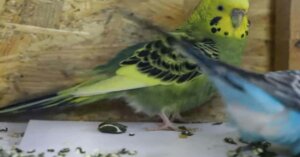
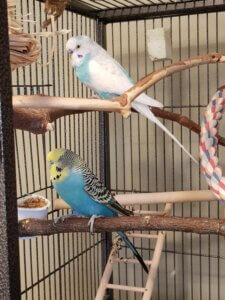
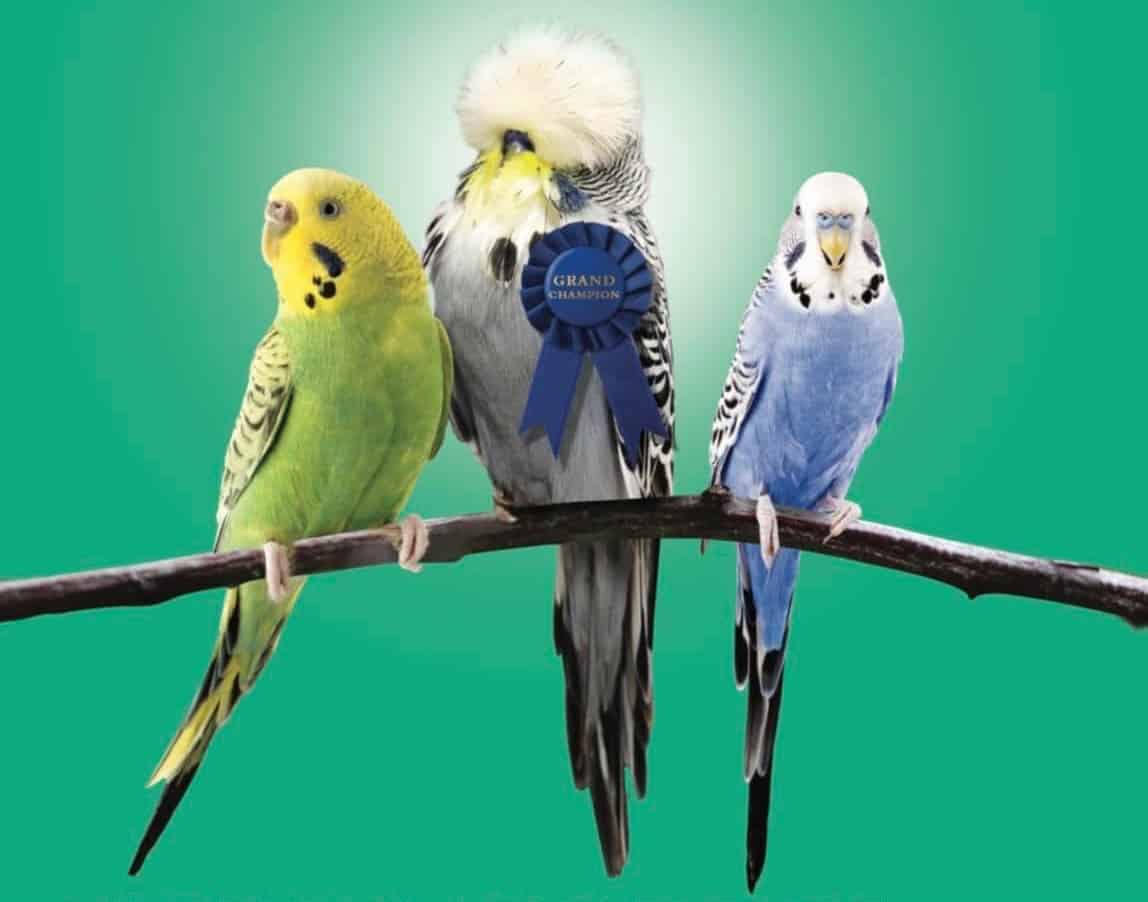
Budgies, also known as parakeets, come in various breeds, each with distinct traits. The English budgie is larger with a fluffier appearance, making it popular in shows. The American budgie is smaller, more active, and often seen as pets. Australian budgies, or wild budgies, have a natural green and yellow color.
Budgies are intelligent, social birds that make great pets due to their playful nature. They can mimic sounds and even learn to talk. Understanding the differences between these breeds helps in choosing the right budgie for your home.
Introduction To Budgie Breeds
Budgies, also known as parakeets, are beloved pets worldwide. Their small size, bright colors, and playful nature make them a joy to own. Different budgie breeds exhibit unique traits and characteristics. This section explores the fascinating world of budgie breeds.
History And Origin
Budgies originally come from Australia. They were first discovered in the wild in 1805. These birds thrived in arid regions. They lived in large flocks and fed on seeds. The British ornithologist John Gould brought them to Europe in 1840. Since then, they have become popular pets globally.
Popularity And Appeal
Budgies are a favorite among bird enthusiasts. Their charm lies in their vibrant colors and playful behaviors. They are easy to care for and have a friendly nature. Budgies can learn to mimic sounds and words, adding to their appeal. These birds are suitable for both beginners and experienced pet owners.
| Budgie Breed | Color Variations | Unique Traits |
|---|---|---|
| English Budgie | Green, Blue, Yellow | Larger size, calm demeanor |
| Australian Budgie | Green, Yellow | Smaller size, active nature |
| American Budgie | Various colors | Medium size, playful |

Credit: www.youtube.com
Common Budgie Breeds
Budgies, also known as parakeets, are small, colorful birds. They are popular pets due to their friendly nature and beautiful feathers. There are different breeds of budgies, each with unique characteristics. Let’s explore some common budgie breeds.
American Budgie
The American Budgie is the most common budgie breed. It is also known as the Parakeet. These budgies are small, with slender bodies. They have bright and vibrant colors. They are known for their playful and active nature. American Budgies are easy to train. They can learn to talk and perform tricks. They make wonderful pets for families.
| Feature | Description |
|---|---|
| Size | Small and slender |
| Colors | Bright and vibrant |
| Behavior | Playful and active |
| Trainability | Easy to train |
English Budgie
The English Budgie is larger than the American Budgie. It has a more robust and stocky build. These budgies have softer and fluffier feathers. English Budgies are known for their calm and gentle nature. They are less active but more affectionate. They are popular in bird shows due to their unique appearance.
| Feature | Description |
|---|---|
| Size | Larger and robust |
| Feathers | Softer and fluffier |
| Behavior | Calm and gentle |
| Popularity | Popular in bird shows |
Rare Budgie Varieties
Budgies, also known as parakeets, come in many vibrant colors and patterns. Some varieties are rarer and more unique than the common ones. This section explores two of these rare budgie varieties that stand out due to their unique color patterns and characteristics.
Lacewing Budgie
The Lacewing Budgie is known for its delicate and elegant appearance. This variety combines the features of albino and cinnamon budgies. Lacewing budgies have a white or yellow base color with soft brown markings.
- Eyes: Red or ruby-colored.
- Cheek patches: Soft and muted violet.
- Wings: Light brown with lace-like patterns.
These budgies are gentle and friendly, making them popular pets. They require standard budgie care but prefer a calm environment.
Rainbow Budgie
The Rainbow Budgie is a stunning mix of vibrant colors. This variety is a combination of multiple mutations, creating a rainbow effect.
| Color | Description |
|---|---|
| Blue | Base color, often a sky-blue shade. |
| Yellow Face | Bright yellow face and head. |
| Opaline | Pattern creating a more colorful back. |
| Clearwing | Clear wings with minimal markings. |
Rainbow budgies are active and playful. They thrive with plenty of toys and interaction. Their colorful appearance makes them a favorite among budgie enthusiasts.
Credit: bcsa.com.au
Color Mutations
Budgies come in many colors. These colors are known as color mutations. Different color mutations add charm to these birds.
Blue Series
The blue series budgies are very popular. They have a range of blue shades. Here are some examples:
- Sky Blue
- Cobalt Blue
- Mauve
Sky blue budgies have light blue feathers. Cobalt blue budgies display a deeper blue shade. Mauve budgies feature a grayish-blue tone.
Green Series
The green series budgies are classic. They are the natural color. Some common green series types include:
- Light Green
- Dark Green
- Olive Green
Light green budgies have bright green feathers. Dark green budgies have rich green tones. Olive green budgies showcase a darker, earthy green.
Albino And Lutino
Albino and lutino budgies are unique. Albino budgies are pure white. They have red eyes and no other colors.
Lutino budgies are bright yellow. They also have red eyes. Both types lack any green or blue colors.
| Type | Color | Eye Color |
|---|---|---|
| Albino | White | Red |
| Lutino | Yellow | Red |
Size And Physical Characteristics
Budgies are charming birds with diverse breeds. Each breed has unique size and physical characteristics. These differences make them fascinating to bird lovers. Let’s explore their body size and feather patterns.
Body Size
Budgies come in various sizes. Generally, they are small birds. The average budgie is about 7 inches long. This includes their tail. Weight varies from 1 to 1.4 ounces. Larger breeds, like the English Budgie, can be up to 10 inches long. They also weigh more, around 2 ounces.
| Budgie Type | Average Length | Average Weight |
|---|---|---|
| Standard Budgie | 7 inches | 1 to 1.4 ounces |
| English Budgie | 10 inches | 2 ounces |
Feather Patterns
Budgies have beautiful feather patterns. These patterns vary widely among breeds. Most budgies have a mix of green and yellow feathers. This is true for wild budgies. Domesticated budgies have more colors. Colors include blue, white, and grey. Some have unique markings on their wings and heads.
Patterns are often striped or spotted. Stripes are common on the back and wings. Spots are usually found on the cheeks. English Budgies often have puffier feathers. This gives them a fluffier appearance. Feather quality is also different. Some breeds have softer feathers.
- Green and Yellow: Common in wild budgies.
- Blue, White, Grey: Found in domesticated budgies.
- Stripes: Typically on back and wings.
- Spots: Usually on cheeks.
Personality Traits
Budgies are charming birds with vibrant personalities. Different breeds have unique traits. Understanding these traits helps in creating a happy environment for them.
Temperament
Each budgie breed has a distinct temperament. Here is a table summarizing the temperament of various breeds:
| Budgie Breed | Temperament |
|---|---|
| English Budgie | Calm and Gentle |
| American Budgie | Energetic and Playful |
| Australian Budgie | Curious and Active |
Vocalization
Budgies are known for their vocal abilities. Here are some key points about their vocalization:
- English Budgies – Soft chirps, less vocal.
- American Budgies – Loud and chatty.
- Australian Budgies – Mimic human speech well.
Understanding these traits helps you choose the right budgie. It ensures a harmonious relationship with your feathered friend.
Care Requirements
Budgies are delightful pets, known for their vibrant colors and playful nature. Each budgie breed has its own unique care requirements. Understanding these needs ensures your pet’s happiness and health.
Diet And Nutrition
A balanced diet is crucial for budgie health. Budgies need a mix of seeds, fruits, and vegetables. Seed mixes should be high-quality. Avoid those with fillers like millet. Fresh fruits like apples and berries are great treats. Always remove seeds from fruits before feeding. Vegetables like spinach, carrots, and broccoli provide essential vitamins. Avoid avocado and chocolate; they are toxic to budgies. Clean, fresh water must be available at all times.
Housing And Environment
Budgies need a spacious and clean cage. The cage should be at least 18x18x18 inches. Place the cage in a quiet, draft-free area. Use natural perches to prevent foot problems. Provide toys for mental stimulation. Rotate toys weekly to keep your budgie engaged. Line the bottom of the cage with newspaper or paper towels. Clean the cage weekly to avoid infections. Ensure the room has natural light but avoid direct sunlight.
| Item | Details |
|---|---|
| Seeds | High-quality, no fillers |
| Fruits | Apples, berries (seedless) |
| Vegetables | Spinach, carrots, broccoli |
| Water | Clean, fresh daily |
Ensuring proper care for your budgie is essential. This keeps them happy and healthy. Follow these guidelines for a thriving pet.

Credit: www.pinterest.com
Health And Common Issues
Budgies are vibrant and lively pets. However, like all pets, they can face health issues. Knowing the signs of illness and preventive measures can keep your budgie healthy. Let’s explore these important aspects.
Signs Of Illness
Recognizing early signs of illness in budgies is crucial. Here are some common indicators:
- Fluffed-up feathers
- Lethargy or inactivity
- Changes in droppings
- Loss of appetite
- Labored breathing
- Swollen or closed eyes
If you notice any of these signs, consult a vet immediately. Budgies hide their illnesses well, so early detection is key.
Preventive Measures
Taking preventive measures ensures your budgie stays healthy. Here are some steps to follow:
- Diet: Provide a balanced diet with seeds, pellets, fruits, and vegetables.
- Cleanliness: Keep the cage clean and change the water daily.
- Exercise: Allow your budgie to fly outside the cage daily.
- Regular Check-ups: Schedule regular vet visits for health check-ups.
By following these preventive measures, you can ensure your budgie remains happy and healthy.
| Health Aspect | Details |
|---|---|
| Diet | Balanced with seeds, pellets, fruits, and vegetables |
| Cleanliness | Clean cage and fresh water daily |
| Exercise | Daily flight outside the cage |
| Regular Check-ups | Vet visits for health check-ups |
Breeding Budgies
Breeding budgies can be a rewarding experience. This guide will help you understand the essentials of breeding budgies, from setting up the perfect environment to taking care of the chicks.
Breeding Setup
Setting up a proper breeding environment is crucial. Start with a spacious cage. Make sure the cage is clean and has fresh water.
- Cage Size: At least 24x18x24 inches.
- Nesting Box: Provide a wooden nesting box.
- Perches: Ensure multiple perches for comfort.
Place the cage in a quiet area. Avoid direct sunlight and drafts. Add some shredded paper or wood shavings inside the nesting box.
Chick Care
Once the chicks hatch, they need special care. Ensure the parents are well-fed. They will feed the chicks initially.
- Monitor Feeding: Ensure the chicks are being fed.
- Cleanliness: Keep the cage clean to prevent infections.
- Weaning: Introduce soft foods as they grow.
Chicks will start to leave the nest in about four to five weeks. Ensure they have access to food and water.
By following these steps, you can successfully breed and care for budgies.
Frequently Asked Questions
What Are The Most Popular Budgie Breeds?
The most popular budgie breeds include the English Budgie and the American Budgie. The English Budgie is larger and more docile. The American Budgie is smaller and more active.
How Do Budgie Breeds Differ In Size?
Budgie breeds differ significantly in size. English Budgies are larger and heavier, while American Budgies are smaller and lighter.
Are Certain Budgie Breeds More Colorful?
Yes, some budgie breeds are more colorful. English Budgies often have more vibrant and varied colors than American Budgies.
Which Budgie Breed Is Easiest To Train?
The American Budgie is generally easier to train. They are more active and responsive to training techniques.
Conclusion
Exploring various budgie breeds opens up a world of vibrant colors and unique personalities. Each type offers something special. Understanding these differences can help you choose the perfect feathered friend. Enjoy the delightful company and lively songs these charming birds bring into your life.
Embrace the joy of owning a budgie.