
What Are The Pros And Cons Of Having A Pet Budgie: Essential Insights
Having a pet budgie offers companionship and entertainment. On the downside, they require time and commitment for proper care.
Budgies, also known as parakeets, are small, colorful birds that make popular pets. They are known for their playful nature and can even learn to mimic sounds and words. Budgies are relatively low-maintenance compared to larger birds, making them suitable for various living situations, including apartments.
They thrive on social interaction and can form strong bonds with their owners. However, budgies need regular attention, a clean living environment, and a balanced diet to stay healthy. Potential pet owners should weigh the commitment required to ensure they can provide a happy, healthy life for their feathered friend.
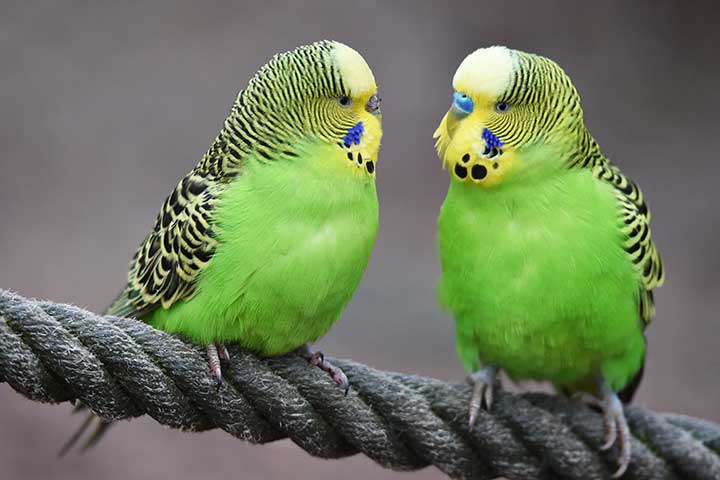
Credit: www.animalfunfacts.net
Introduction To Pet Budgies
Pet budgies, also known as parakeets, are among the most popular pet birds. These small, colorful birds are known for their playful and social nature. Budgies are relatively easy to care for and can bring joy to any household. This section will delve into the history and popular breeds of pet budgies, helping you understand why they make excellent companions.
Brief History
Budgies originated from Australia, where they thrive in the wild. These birds were first discovered in the early 1800s by European settlers. They were then brought to Europe and quickly became popular pets. Budgies have been bred in captivity for over 150 years, which has led to various color mutations and breeds.
Popular Breeds
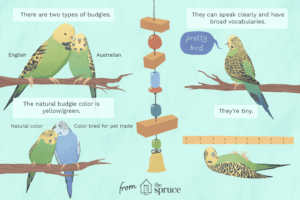
There are several popular breeds of budgies, each with unique characteristics. The two main types are the American budgie and the English budgie.
| Breed | Size | Characteristics |
|---|---|---|
| American Budgie | Smaller | Active and playful |
| English Budgie | Larger | Calm and docile |
Both breeds come in a variety of colors, including green, blue, yellow, and white. They are also known for their ability to mimic sounds and words, making them entertaining pets.
- Green Budgies: The most common and resemble wild budgies.
- Blue Budgies: Often have a striking cobalt or sky-blue hue.
- Yellow Budgies: Also known as Lutino budgies, these birds lack melanin.
- White Budgies: Known as Albino budgies, they have a pure white appearance.
Choosing the right breed depends on your preferences and lifestyle. Both American and English budgies can make wonderful pets, each with their own unique charm.
Benefits Of Owning A Budgie
Budgies, also known as parakeets, are popular pet birds. They offer various benefits to their owners. Let’s explore some of these benefits.
Companionship
Budgies provide excellent companionship. They are social and enjoy interacting with humans. These birds often mimic sounds and words, which can be entertaining. Their playful nature can brighten any day. Budgies are great for those who live alone. They can also be a calming presence.
Low Maintenance
Budgies are relatively low-maintenance pets. They do not require extensive care. Regular cage cleaning and fresh food and water are essential. Budgies enjoy simple toys and perches. They do not need expensive equipment. Their diet mainly consists of seeds, fruits, and vegetables. Regular vet visits are recommended but not frequent.
Affordability
Budgies are affordable pets. The initial cost is low compared to other pets. They do not require costly supplies. Their food and toys are inexpensive. Vet costs are generally lower than for larger pets. Budgies can fit into most budgets.
| Benefit | Description |
|---|---|
| Companionship | Provides social interaction and mimics sounds. |
| Low Maintenance | Requires minimal care and simple toys. |
| Affordability | Low initial and maintenance costs. |
Challenges Of Having A Budgie
Having a pet budgie can be wonderful, but it also comes with challenges. Understanding these challenges helps you decide if a budgie is right for you.
Noise Levels
Budgies can be noisy, especially in the morning. They love to chirp and sing. For some, this is delightful. For others, it can be disruptive. Budgies also mimic sounds. This can be fun but also annoying if they mimic alarms or other noises.
Potential Allergies
Budgies have feathers and dander, which can cause allergies. If you or someone in your home has allergies, a budgie might not be the best choice. Symptoms can include sneezing, itchy eyes, and coughing. Always check for allergies before bringing a budgie home.
Space Requirements
Budgies need space to fly and play. A small cage is not enough. They need room to spread their wings and exercise. A larger cage or aviary is ideal. Also, they need time outside the cage to explore and interact. This requires a safe, bird-proof room.
| Challenge | Details |
|---|---|
| Noise Levels | Budgies are vocal and can be noisy. |
| Potential Allergies | Feathers and dander can cause allergic reactions. |
| Space Requirements | Budgies need room to fly and play. |

Credit: www.youtube.com
Health Considerations
Having a pet budgie can bring joy to your home. But, understanding their health needs is crucial. Let’s explore the health considerations for budgies. This includes common ailments and preventive care.
Common Ailments
Budgies can suffer from a variety of health issues. Here are some of the most common ailments:
- Respiratory Infections: Often caused by bacteria or mold.
- Feather Plucking: Stress or boredom can lead to this behavior.
- Psittacosis: A bacterial infection that can transfer to humans.
- Scaly Face: Caused by mites affecting the beak and face.
- Obesity: Overfeeding and lack of exercise can lead to weight gain.
Preventive Care
Preventive care is essential for keeping your budgie healthy. Here are some tips:
- Regular Check-Ups: Visit the vet at least once a year.
- Balanced Diet: Include seeds, fruits, and vegetables in their meals.
- Clean Environment: Keep the cage clean and free of mold.
- Exercise: Allow your budgie to fly in a safe area daily.
- Social Interaction: Spend time with your budgie to prevent loneliness.
Understanding these health considerations helps ensure a happy, healthy budgie. By being aware of common ailments and following preventive care, you can enjoy many years with your feathered friend.
Diet And Nutrition
Having a pet budgie can be a joy, but their diet and nutrition are crucial for their health. Proper feeding ensures your budgie stays active and happy. Below, we explore the best foods and what to avoid.
Recommended Foods
Budgies need a balanced diet for optimal health. Here are some recommended foods:
- Seeds: Budgies love millet and canary seeds.
- Pellets: High-quality pellets provide essential nutrients.
- Fruits: Apples, pears, and berries are great choices.
- Vegetables: Leafy greens like spinach and kale are ideal.
- Grains: Offer cooked rice and whole grains occasionally.
Ensure the seeds and pellets are fresh. Rotate fruits and veggies for variety.
Foods To Avoid
Certain foods can be harmful to budgies. Avoid the following:
- Avocado: It is toxic to budgies.
- Chocolate: Contains theobromine, which is harmful.
- Onions and Garlic: Can cause digestive issues.
- Caffeinated Drinks: Dangerous for their small bodies.
- Alcohol: Even a small amount can be fatal.
Always double-check before introducing new foods. Consult your vet for any doubts.
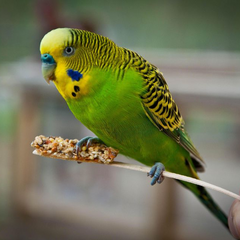
Credit: www.birdcagesnow.com
Training And Socialization
Training and socializing a pet budgie can be a rewarding experience. Budgies are intelligent and curious birds. They can learn basic commands and thrive on social interaction. This section will explore the pros and cons of training and socializing your pet budgie.
Basic Commands
Budgies can learn basic commands with patience and consistency. Teaching commands like “step up” and “step down” can help in handling your budgie. You can also train them to do simple tricks, such as fetching small objects.
- Pro: Training strengthens the bond between you and your budgie.
- Pro: Trained budgies are easier to handle and manage.
- Con: Training requires time and patience.
- Con: Some budgies may be stubborn or slow learners.
Social Interaction
Budgies are social birds that enjoy interaction with their owners and other birds. Regular socialization can make your budgie happier and healthier. It also prevents boredom and behavioral issues.
- Pro: Social interaction keeps your budgie mentally stimulated.
- Pro: A well-socialized budgie is less likely to develop bad habits.
- Con: Budgies need daily interaction, which can be time-consuming.
- Con: Lack of socialization can lead to loneliness and stress.
A balanced approach to training and socialization can make your budgie a well-behaved and happy pet. Investing time in these areas is crucial for your budgie’s well-being.
Creating The Ideal Environment
Creating the ideal environment for a pet budgie is crucial. A well-set-up environment ensures your budgie’s health and happiness. This section delves into the essential aspects of setting up their home, focusing on cage setup and toys and enrichment.
Cage Setup
The cage is your budgie’s primary home. It should be spacious and safe. Choose a cage with horizontal bars. This allows the budgie to climb easily. The bar spacing should be narrow, around 1/2 inch. This prevents the budgie from escaping or getting stuck.
Place the cage in a quiet but not isolated area. Avoid direct sunlight and drafts. Ensure the cage is at eye level. This helps the budgie feel secure. Line the cage bottom with paper for easy cleaning. Provide multiple perches of different sizes and textures. This keeps their feet healthy and active.
Toys And Enrichment
Budgies need mental and physical stimulation. Toys provide this enrichment. Offer a variety of toys to keep them entertained. Rotate the toys regularly to maintain interest. Include chew toys, bells, and mirrors. These stimulate their natural behaviors.
Interactive toys can also be beneficial. These encourage problem-solving and play. Foraging toys are great for mental exercise. Hide treats inside these toys. This keeps your budgie engaged and happy.
Creating an ideal environment for your budgie involves thoughtful planning. A well-set-up cage and engaging toys contribute to a happy, healthy bird.
Frequently Asked Questions
What Are The Benefits Of Having A Pet Budgie?
Budgies are social and entertaining pets. They can mimic sounds and even learn words. They’re small and don’t require much space. Their upkeep is affordable, making them ideal for beginners. Budgies can also form strong bonds with their owners.
Are Budgies Easy To Take Care Of?
Yes, budgies are relatively easy to care for. They need a clean cage, fresh water, and a balanced diet. Regular social interaction and occasional vet visits are also important. Proper care ensures they stay healthy and happy.
Do Budgies Require A Lot Of Attention?
Budgies do need regular attention. They thrive on social interaction and can become lonely without it. Spending at least an hour daily with them is recommended. This helps in bonding and keeps them mentally stimulated.
Can Budgies Talk And Mimic Sounds?
Yes, budgies can mimic sounds and learn to talk. They can pick up words and phrases with regular training. Male budgies are generally better at mimicking than females. Their ability to talk makes them fun and engaging pets.
Conclusion
Having a pet budgie offers companionship and joy. They are low-maintenance but require attention and interaction. Evaluate your lifestyle before deciding. Budgies can enrich your life but need proper care. Make an informed choice to ensure a happy pet and owner relationship.