
Yellow Budgie Birds- Facts, Care, and Training: Ultimate Guide
Yellow budgie birds are known for their vibrant color and playful nature. They require specific care and training to thrive.
Yellow budgie birds, also known as parakeets, are popular pets due to their bright, cheerful appearance and lively behavior. These small, social birds are native to Australia and adapt well to domestic environments. Proper care includes a balanced diet, regular cage cleaning, and social interaction.
Training them can be rewarding and fun, as they are intelligent and can learn tricks and mimic sounds. Ensuring they have a stimulating environment with toys and perches helps keep them happy and healthy. Understanding their needs and behaviors is key to forming a strong bond with these delightful feathered companions.
Introduction To Yellow Budgie Birds
Yellow budgie birds are a popular choice for pet lovers. They are known for their vibrant yellow feathers and friendly nature. These birds are easy to care for and train, making them a favorite among bird enthusiasts.
Origin And History
Yellow budgie birds, also known as yellow parakeets, belong to the budgerigar species. They originate from Australia. Wild budgies were first discovered in the 1800s. These birds quickly gained popularity as pets worldwide.
Early settlers in Australia noticed their bright colors and charming personalities. This led to their domestication and breeding. Today, yellow budgies are found in homes all over the world.
Physical Characteristics
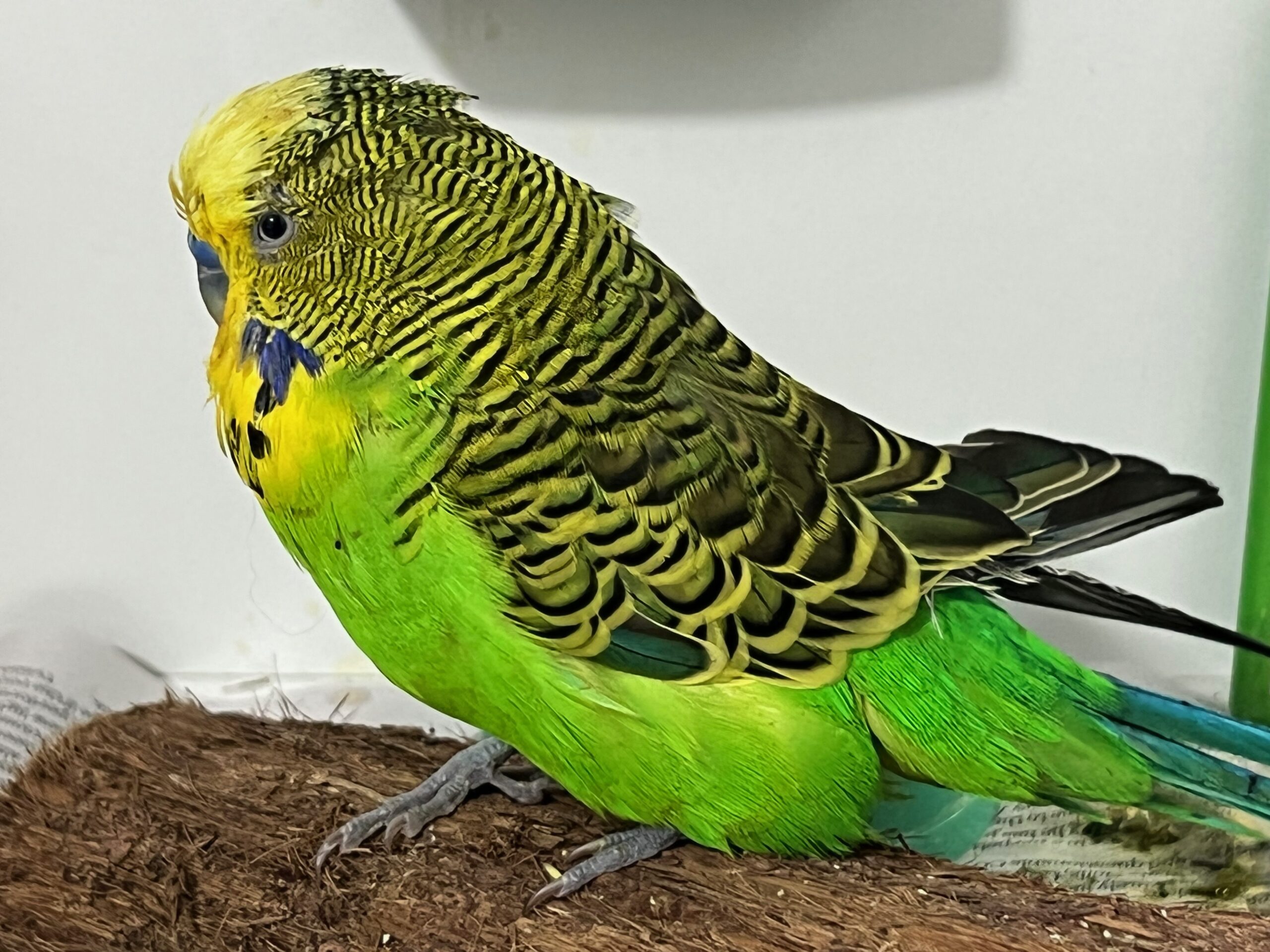
Yellow budgies have a striking appearance. Their feathers are bright yellow, which makes them stand out. They have small, compact bodies. An adult yellow budgie usually measures about 7 inches in length.
They have a distinctive curved beak. Their eyes are dark and expressive. These birds have strong wings and can fly short distances. Male and female yellow budgies look similar, but males often have a blue cere (the area above the beak).
| Characteristic | Description |
|---|---|
| Color | Bright Yellow |
| Size | About 7 inches |
| Beak | Curved |
| Eyes | Dark |
Their vibrant color is not just for show. It helps them blend into their natural habitat. This makes it easier for them to avoid predators.
Credit: birdvetmelbourne.com
Interesting Facts
Yellow budgie birds are delightful pets. These birds are known for their vibrant colors and playful nature. This section will explore some interesting facts about these charming creatures.
Unique Behaviors
Yellow budgie birds exhibit several unique behaviors. They are social and love to interact with their owners. Budgies enjoy mimicking sounds and can learn to talk. They also love to play with toys and can get very attached to their favorites.
Budgies are known to bob their heads. This behavior indicates happiness and excitement. Another interesting behavior is their ability to preen. Preening helps them keep their feathers clean and in good condition. They may also preen their human companions as a sign of affection.
Lifespan
Yellow budgie birds have a relatively long lifespan for small birds. With proper care, they can live between 7 to 15 years. Some budgies have been known to live even longer.
Several factors can affect their lifespan. Proper diet, clean living conditions, and regular veterinary check-ups are essential. It’s important to provide a stimulating environment to keep them mentally and physically healthy.
| Factor | Impact on Lifespan |
|---|---|
| Diet | Balanced diet extends lifespan |
| Environment | Clean and safe surroundings are crucial |
| Exercise | Physical activity keeps them healthy |
Budgies thrive on a diet that includes seeds, fruits, and vegetables. Providing them with a variety of toys and activities can keep them engaged and happy.
Choosing A Healthy Budgie
Choosing a healthy budgie is crucial for a happy and long-lasting pet. A vibrant and lively bird will bring joy to your home. Knowing what to look for ensures that your new feathered friend is in top shape. Below are some key aspects to consider.
Signs Of Good Health
- Bright Eyes: Healthy budgies have clear, bright eyes without discharge.
- Clean Feathers: Their feathers should be clean, smooth, and well-groomed.
- Active Behavior: A healthy budgie is active and playful.
- Proper Eating: They should eat regularly and show interest in food.
- Steady Breathing: Breathing should be steady without wheezing or clicking sounds.
Where To Buy
Finding a reputable seller is essential. Here are some options to consider:
| Source | Pros | Cons |
|---|---|---|
| Pet Stores |
|
|
| Breeders |
|
|
| Rescue Centers |
|
|
Choosing the right source helps in getting a healthy budgie. Always ask for health records and observe the bird’s behavior before making a decision.
Setting Up The Cage
Creating the perfect environment for your yellow budgie bird is crucial. A well-set-up cage ensures your bird feels safe and comfortable. Let’s explore the essential aspects of setting up your budgie’s new home.
Cage Size And Type
The cage size is very important for your budgie’s well-being. A larger cage allows more space for flying and playing. The minimum recommended size for a single budgie is 18x18x24 inches.
Choose a cage with horizontal bars. This helps the budgie climb and exercise. Bar spacing should be no more than 1/2 inch to prevent escape or injury.
Material matters too. Opt for a stainless steel cage. It is durable and easy to clean. Avoid cages with paint or coatings that can chip off.
Essential Accessories
Equip the cage with essential accessories to keep your budgie happy and healthy.
| Accessory | Description |
|---|---|
| Perches | Provide at least two perches of different diameters. This promotes foot health. |
| Food and Water Bowls | Use stainless steel or ceramic bowls. Place them away from perches to avoid contamination. |
| Toys | Include a variety of toys like swings, bells, and chew toys. Rotate them weekly to keep your budgie engaged. |
| Cage Liner | Use newspaper or cage liners at the bottom. Change them daily to maintain hygiene. |
Make sure all accessories are safe and non-toxic. Avoid items with small parts that your budgie might swallow.
Diet And Nutrition
Yellow Budgie Birds, also known as parakeets, require a balanced diet. Proper nutrition ensures their health and longevity. This guide helps you feed your feathered friend correctly.
Recommended Foods
Budgies thrive on a mix of seeds, fruits, and vegetables. A varied diet ensures they get all necessary nutrients.
- Seeds: Millet, canary seed, and sunflower seeds are excellent.
- Fruits: Apples, oranges, and berries are nutritious and loved by budgies.
- Vegetables: Carrots, spinach, and broccoli provide essential vitamins.
- Pellets: Specially formulated pellets offer balanced nutrition.
Foods To Avoid
Certain foods are harmful to budgies and should never be given.
- Chocolate: Contains theobromine, which is toxic to birds.
- Avocado: Persin in avocado can cause serious health issues.
- Caffeine: Can cause heart problems in budgies.
- Alcohol: Even small amounts can be fatal.
- Onions and Garlic: These can cause digestive issues and anemia.
Always provide fresh water daily. Keep your budgie’s feeding area clean. This promotes good health and well-being.
Credit: myrightbird.com
Daily Care Routine
Yellow budgie birds are delightful pets. They brighten your home with their vivid feathers and cheerful chirps. A proper daily care routine ensures they remain healthy and happy. Below are essential aspects of daily care for your yellow budgie bird.
Cleaning The Cage
Keeping your budgie’s cage clean is crucial for their health. Follow these steps to maintain a tidy environment:
- Remove old food and droppings daily.
- Change the water in the bird’s bowl every day.
- Wipe down perches and toys with a damp cloth.
- Replace the cage liner or newspaper every day.
Deep clean the cage weekly. Use mild soap and water. Rinse thoroughly to remove any soap residue. This prevents harmful bacteria buildup and keeps your budgie healthy.
Social Interaction
Budgies are social creatures. They need interaction to thrive. Spend time with your budgie every day. Talk to them in a gentle voice. They enjoy hearing you speak.
Provide toys for mental stimulation. Rotate toys every week to keep things exciting. Offer a variety of toys like:
- Mirrors
- Chewable wood toys
- Ropes and swings
Allow your budgie out of the cage for supervised playtime. This helps them exercise and explore. Ensure the area is safe and free of hazards.
Creating a consistent daily routine builds trust between you and your budgie. This fosters a strong bond and a happy pet.
Training Your Budgie
Training your yellow budgie can be a rewarding experience. Budgies are smart and can learn many tricks. Training also helps build a bond between you and your bird.
Basic Commands
Start with simple commands. Teach your budgie to step up onto your finger.
- Hold your finger near the bird’s chest.
- Gently push its chest with your finger.
- Say “step up” as the bird steps onto your finger.
Practice this command daily. Consistency is key. Reward your budgie with a treat each time it steps up.
Teaching Tricks
Once your budgie knows basic commands, teach it some fun tricks.
- Spin: Hold a treat in front of your budgie. Move the treat in a circle. Say “spin” as the bird follows the treat. Repeat until your budgie spins on command.
- Wave: Teach your budgie to wave its foot. Hold a treat above its head. Say “wave” as it lifts its foot. Reward it with the treat.
- Fetch: Use a small toy. Show the toy to your budgie. Throw the toy gently and say “fetch.” Reward your bird when it brings the toy back.
Patience and positive reinforcement are important. Always reward your budgie with treats and praise. Training sessions should be short, around 10-15 minutes. This keeps your budgie engaged and prevents boredom.
| Command | Steps |
|---|---|
| Step Up | Hold finger near chest, say “step up”, reward |
| Spin | Move treat in circle, say “spin”, reward |
| Wave | Hold treat above head, say “wave”, reward |
| Fetch | Throw toy, say “fetch”, reward |
Training your budgie takes time and patience. Be consistent and gentle. Your budgie will soon learn many tricks and commands.
Health And Wellness
Yellow budgie birds are delightful pets. Keeping them healthy ensures they stay happy and active. This section covers essential aspects of their health and wellness.
Common Health Issues
Budgies can face several health problems. It’s vital to recognize these early.
- Respiratory Issues: Sneezing, coughing, or nasal discharge.
- Feather Plucking: Often due to stress or parasites.
- Diarrhea: Indicates digestive problems.
- Obesity: Caused by poor diet.
- Parasites: Mites and lice are common.
Keep a close watch on these symptoms. Early detection can make a big difference.
When To Visit The Vet
Knowing when to visit the vet is crucial for your budgie’s health. Regular check-ups are recommended.
- Annual Check-ups: Schedule once a year.
- Sudden Behavior Changes: If your bird acts differently.
- Visible Illness Symptoms: Such as those listed above.
- Weight Loss: Unexplained weight changes.
- Feather Damage: Continuous feather plucking.
These visits help ensure your budgie stays in good health. Early intervention can prevent serious issues.
Frequently Asked Questions
What Are Yellow Budgie Birds?
Yellow budgie birds are a color mutation of the common budgerigar. They are known for their vibrant yellow feathers. They are popular pets due to their bright color and playful nature.
How To Care For Yellow Budgie Birds?
To care for yellow budgie birds, provide a spacious cage and fresh water. Offer a balanced diet of seeds, pellets, fruits, and vegetables. Ensure they have toys for mental stimulation.
Can Yellow Budgie Birds Talk?
Yes, yellow budgie birds can mimic human speech. With consistent training and interaction, they can learn to say words and short phrases.
What Do Yellow Budgie Birds Eat?
Yellow budgie birds primarily eat seeds and pellets. Supplement their diet with fresh fruits and vegetables. Avoid giving them avocado, chocolate, and caffeine, as these are toxic.
Conclusion
Yellow budgies make delightful pets with their bright color and playful nature. Proper care and training ensure a happy bird. By understanding their needs, you can create a nurturing environment. Enjoy the companionship of these charming birds by investing time in their care and training.
Your yellow budgie will thrive and bring joy.
