5 Best Ways to Stop Birds Nesting in Roofs in 2026
Stopping birds nesting in roofs usually starts with blocking access to gaps and damaged areas.
Roof spikes, netting, and bird wire can help on ledges and common landing spots.
Reflective deterrents sometimes work, but they are usually only a short-term fix.
Regular roof checks and prompt repairs help prevent birds from settling in again.
Humane, well-fitted deterrents give the best long-term results.
| Bird Spikes for Outdoor Bird Deterrence (20 Pack) |
| Best Entry-Level | Deterrent Type: Plastic spikes | Material: ABS plastic | Outdoor Use: Roofs/fences | VIEW LATEST PRICE | Read Our Analysis |
| OFFO Bird Reflectors for Pigeon and Woodpecker Deterrent |

| Best Decorative Pick | Deterrent Type: Reflector disks | Material: Eco-friendly material | Outdoor Use: Trees/fences | VIEW LATEST PRICE | Read Our Analysis |
| Stainless Steel Bird Deterrent Spikes for Roofs and Fences |
| Best Durable Pick | Deterrent Type: Steel spikes | Material: Stainless steel | Outdoor Use: Roofs/fences | VIEW LATEST PRICE | Read Our Analysis |
| Bird Scare Reflective Flash Tape for Birds 262FT |

| Best Long-Range | Deterrent Type: Reflective tape | Material: Thickened plastic | Outdoor Use: Eaves/branches | VIEW LATEST PRICE | Read Our Analysis |
| OFFO Bird Scare Reflective Device for Outdoor Use |
| Best Premium Pick | Deterrent Type: Reflective spinner | Material: Aluminum/chrome | Outdoor Use: Roofs/buildings | VIEW LATEST PRICE | Read Our Analysis |
More Details on Our Top Picks
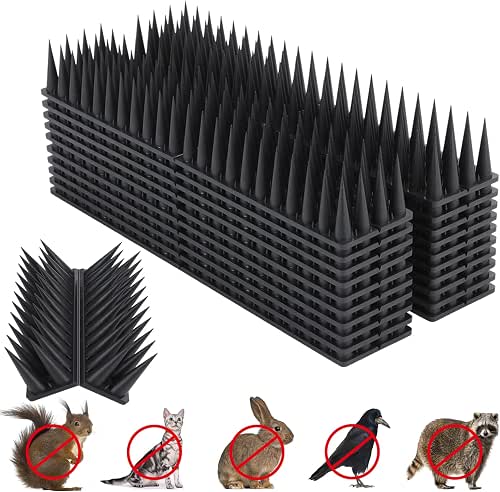
Bird Spikes for Outdoor Bird Deterrence (20 Pack)
Assuming you’re tackling roof nesting on a budget, these bird spikes are a solid entry-level pick. You get 20 spike units, covering about 35 feet, and each unit measures 11 x 2.1 x 1.4 inches. You can trim or separate the four flexible sections to fit tricky roof edges. Use the screw holes, nails, adhesive, or cable ties to secure them on roofs, fences, or patios. The ABS plastic resists rust and corrosion, so it should last outdoors. It deters pigeons, squirrels, raccoons, and birds without harming them, and you may return it provided you’re not satisfied.
- Deterrent Type:Plastic spikes
- Material:ABS plastic
- Outdoor Use:Roofs/fences
- Humane:Yes
- Weather Resistance:Rust/corrosion resistant
- Installation:Nails/adhesive/ties
- Additional Feature:20-pack coverage
- Additional Feature:Flexible detachable sections
- Additional Feature:Multiple screw holes
OFFO Bird Reflectors for Pigeon and Woodpecker Deterrent
Should you want a humane, decorative way to keep birds off roofs, OFFO Bird Reflectors fit perfectly. You get a 15-pack of weather-resistant, silver reflectors with a spiraling design that flashes light to discourage pigeons, woodpeckers, and other birds. They’re made from eco-friendly, wildlife-friendly materials, so they won’t harm birds. Just tie the included string and hang them on roofs, porches, balconies, fences, barns, trees, or vines. You can also use the multicolor option for gardens or orchards. They’re practical, durable, and add a bright accent.
- Deterrent Type:Reflector disks
- Material:Eco-friendly material
- Outdoor Use:Trees/fences
- Humane:Yes
- Weather Resistance:Weather resistant
- Installation:String hanging
- Additional Feature:Spiraling light flashes
- Additional Feature:Decorative multicolor option
- Additional Feature:Includes hanging string
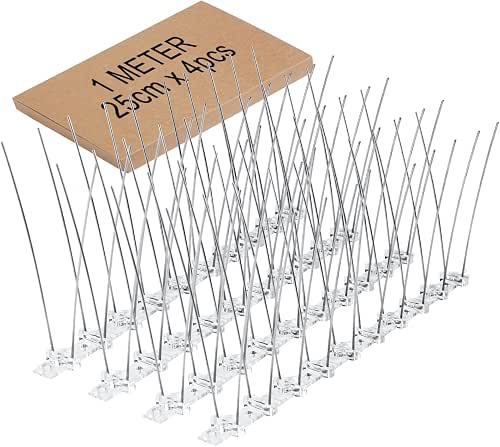
Stainless Steel Bird Deterrent Spikes for Roofs and Fences
Should you need a durable bird deterrent for exposed roof edges, stainless steel spikes fit the job. You can stop pigeons and most small birds from landing on roofs, beams, gutters, railings, chimneys, fences, mailboxes, balconies, barns, and patios. The stainless steel pins and flexible plastic base create a humane barrier that won’t harm birds or violate animal welfare rules. It’s corrosion-, UV-, and weather-resistant, so it won’t rust or stain. The soft base bends 360 degrees, fits uneven surfaces, and installs easily with nails, screws, cable ties, or mounting glue.
- Deterrent Type:Steel spikes
- Material:Stainless steel
- Outdoor Use:Roofs/fences
- Humane:Yes
- Weather Resistance:UV/weather resistant
- Installation:Nails/screws/glue
- Additional Feature:360-degree bending base
- Additional Feature:Adjustable strip length
- Additional Feature:Four strips included
Bird Scare Reflective Flash Tape for Birds 262FT
Bird Scare Reflective Flash Tape gives you a long-range deterrent for birds nesting on roofs. You get one 262-foot roll of reflective, double-sided flash ribbon that you can cut to fit eaves, branches, or other problem spots. Its bright colors and sunlight sparkle disrupt birds’ vision, helping deter many species from house, garden, yard, orchard, and patio areas. The thick, waterproof, sun-proof material holds up outdoors for about 1 to 2 years, though performance can fade over time. You may also use it to add a decorative touch, and 24/7 support helps should you require guidance.
- Deterrent Type:Reflective tape
- Material:Thickened plastic
- Outdoor Use:Eaves/branches
- Humane:Yes
- Weather Resistance:Waterproof/sun-proof
- Installation:Tie and hang
- Additional Feature:262-foot roll
- Additional Feature:Double-sided reflective surface
- Additional Feature:Cut-to-length use
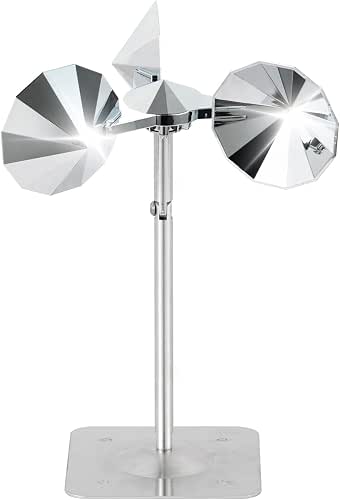
OFFO Bird Scare Reflective Device for Outdoor Use
For roofs where birds keep coming back, OFFO’s reflective scare device makes a premium pick. You mount it, and mirrored blades spin to throw light in many directions, startling birds before they roost or nest. Its polygonal double-sided blades, plus the top blade, enhance coverage for roofs, boats, gardens, patios, railings, signs, and farms. The aluminum body resists corrosion, while the chrome finish looks clean in visible spots. You can bend the neck 90–180 degrees, install it easily with included tools, and replace blades later for savings. It works in weather and comes with support.
- Deterrent Type:Reflective spinner
- Material:Aluminum/chrome
- Outdoor Use:Roofs/buildings
- Humane:Yes
- Weather Resistance:Corrosion resistant
- Installation:Included tools/accessories
- Additional Feature:Polygonal mirrored blades
- Additional Feature:Replaceable blade design
- Additional Feature:90-180 degree neck
Factors to Consider When Choosing a Way To Stop Birds Nesting In Roof
Whenever I help you choose a way to stop birds nesting in your roof, I initially look at roof surface compatibility and how easy the method is to install. I also match the deterrent to the bird species you’re handling with and make sure it’s humane. Finally, I check that it can stand up to weather so it’ll keep working over time.
Roof Surface Compatibility
Roof compatibility matters because the wrong deterrent can damage the surface or fail fast. I always start by matching the system to your roof material. Asphalt shingles, clay tile, metal, and slate each react differently to drilling, adhesives, and weight. Should your roof have a steep pitch or odd contours, I choose flexible or adjustable options that can follow curves instead of rigid barriers. I also inspect eaves, soffits, valleys, gutters, and chimney junctions, since narrow gaps need low-profile coverage. Sun, salt air, heavy rain, and UV exposure all affect fasteners and bases, so I look for durable, weather-rated components. Finally, I check access and load limits; fragile or lightweight roofs often need non-penetrating, substrate-rated solutions.
Bird Species Targeted
Birds are not all the same, so I always start identifying the species prior to selecting a deterrent. Pigeons, sparrows, starlings, swifts, and swallows each nest in different places, from eaves and chimneys to rafters and gutters, and that changes how I approach your roof. I also check body size: pigeons need stronger barriers and wider spacing, while small passerines can slip through 1–1.5 inch gaps. Timing matters too, because many species breed in spring and summer, and I try to act before nest building starts. I look at nesting habits as well, since cavity users and bulky nest builders need different exclusion strategies. Finally, I consider whether the birds flock or nest alone, because colonial species usually need broader, more persistent control.
Humane Deterrent Methods
I usually start with the least disruptive humane deterrents: I block landing spots with smooth spikes or strip-style blockers, add reflective tape or spinning flashers where birds try to perch, and seal gaps, vents, and other entry points so your roof stops looking like a nesting site. I also remove gutter debris and trim branches that help birds reach the roof. Should birds keep returning, I’ll use short, irregular predator calls or alarm sounds, but never nonstop, because noise can lose its effect and annoy neighbors. For active nests, I rely on one-way doors or mesh only whenever local rules allow it, so birds can leave but can’t get back in.
Weather Resistance
Once I’ve picked a humane deterrent, I also make sure it can handle the weather where you live, because sun, rain, wind, and temperature swings can quickly weaken a fix that looked fine at outset. I look for UV-resistant, corrosion-resistant materials like stainless steel, UV-stabilized plastics, or aluminum, since they hold up better in harsh seasons. Should I’m using adhesives, tapes, or sealants, I check that they’re rated for outdoor use and your local moisture and temperature range. In windy or rainy areas, I prefer firmly anchored spikes, heavy-duty reflective strips, or sealed rotating reflectors. I also expect many products to last only one to five years, so I plan for inspections after storms and freeze-thaw cycles to keep gaps from opening.
Installation Ease
Whenever I choose a way to stop birds nesting in a roof, I also weigh how easily it goes up and comes back off. I look initially at whether it needs drilling or screws, because fasteners can add 5–15 minutes per linear foot on standard fascia or ridge lines. I like modular systems with short detachable sections since I can fit them faster and adjust them on curved or uneven edges. Lightweight, flexible bases or tape-like products appeal to me too, because I can install them with outdoor adhesive or zip ties and avoid extra tools. I also check that parts can be cut to length or snapped together, so I can handle long runs alone. Ultimately, I want a setup I can loosen in minutes for inspections, cleaning, or repairs.
Durability And Coverage
After installation ease, I look at how well a bird deterrent will hold up and how completely it will protect the roof. I choose UV-stabilized plastics, stainless steel, or aluminum because they resist sun, rust, and weather, so they keep working for years. I also check expected service life against upkeep; in harsh climates, I’d rather spend more now than replace worn parts later. Coverage matters just as much. I measure eaves, vents, chimneys, and ledges, then match the product to every vulnerable foot of perimeter. I prefer modular, adjustable designs that bend around curves and join cleanly over odd sections. Finally, I look for dense coverage, whether spikes, reflectors, or tape, because birds exploit gaps fast.
Frequently Asked Questions
How Do I Identify Bird Nesting Signs on My Roof?
I spot bird nesting signs by checking for twigs, feathers, droppings, scratching sounds, and repeated roof activity, like nature’s little alarm bells. Should you hear chirping inside, I’d inspect vents, eaves, and gutters closely.
What Legal Issues Affect Removing Nests From Roofs?
I’d check local wildlife laws initially, because protected species, active nests, and breeding seasons can make removal illegal. You should also follow building codes, permit rules, and humane treatment requirements before touching anything.
Can Birds Return After Deterrents Are Installed?
Yes, they can; deterrents are not a fortress, just a warning. I have seen persistent birds probe weak spots, so you should inspect often, refresh devices, and seal entry points to keep them from coming back.
How Often Should Roof Bird Deterrents Be Inspected?
I’d inspect your roof bird deterrents every three months, and after storms or nesting season. You’ll catch loosened spikes, damaged netting, or gaps promptly, keeping birds out and repairs cheaper.
What Should I Do if Birds Are Already Inside the Attic?
If birds are already inside, I’d seal other openings, leave the main exit open, and call wildlife control if needed. I wouldn’t trap them; I’d remove nests only after they’ve left and sanitize afterward.