
How To Tell If A Budgie Is Blind: 7 Parakeet Blindness Symptoms
If a budgie is blind, it may bump into objects and show reluctance to move. Other signs include unusual head movements.
Blindness in budgies can be distressing for both the bird and its owner. Recognizing the symptoms early can help in managing the condition and ensuring the bird’s well-being. Common signs of blindness in parakeets include frequent bumping into objects, reluctance to move, and unusual head movements.
You might also observe dilated or cloudy eyes, changes in eating habits, and a general lack of coordination. Blind budgies may exhibit increased vocalizations due to anxiety or confusion. Early detection and a visit to an avian vet can make a significant difference in the quality of life for your feathered friend.
Credit: wildlife.org
Signs Of Visual Impairment
Budgies are lively and curious pets. Identifying if a budgie is blind can be challenging. Knowing the signs of visual impairment helps. Visual impairment affects their daily activities. Look for these symptoms to ensure your budgie’s well-being.
Unusual Movements
Unusual movements are a key sign of visual impairment in budgies. A blind budgie may bob its head frequently. This is their way to sense the environment. Sudden movements can startle them. They might flap their wings unnecessarily. This is a sign they feel unsafe or lost.
Observe if your budgie misses perches. They may struggle to land accurately. A healthy budgie lands gracefully. A blind budgie often stumbles or misses its target. It might also walk in circles or bump into objects. These signs indicate they can’t see well.
Difficulty Navigating
Difficulty navigating is another clear symptom. A blind budgie will have trouble finding food and water. It might knock over its food dish. Watch if it struggles to locate its cage door. Navigating the cage becomes a challenge.
They may rely on touch and sound. A blind budgie uses its beak to feel around. It will listen for familiar sounds to move safely. You might notice them staying still for long periods. This is a sign they feel unsure about moving.
| Symptom | Description |
|---|---|
| Unusual Movements | Head bobbing, unnecessary wing flapping, missing perches |
| Difficulty Navigating | Struggles to find food and water, relies on touch and sound |
Recognizing these signs early can help provide better care. Always consult a vet if you notice these behaviors.
Changes In Behavior
Budgies can exhibit various changes in behavior if they are blind. Observing these changes can help in identifying the issue early. Two key behavioral changes are increased nervousness and reluctance to fly.
Increased Nervousness
A blind budgie may become more nervous. They can startle easily at sudden sounds. They might also show signs of stress, like fluffed feathers. They could become more vocal, chirping loudly or incessantly.
Reluctance To Fly
A blind budgie often avoids flying. They might stay in one spot for long periods. They may also have trouble navigating their cage. Observing these behaviors can help you determine if your budgie is blind.
Physical Symptoms
Understanding the physical symptoms of budgie blindness can help you provide better care. Identifying these signs early can improve your pet’s quality of life.
Cloudy Eyes
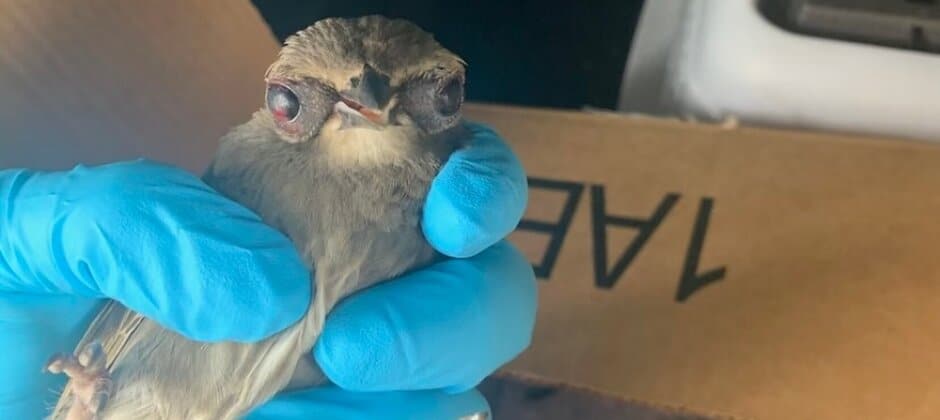
One key symptom of blindness in budgies is cloudy eyes. The eyes may appear hazy or have a bluish tint. This cloudiness often indicates a cataract or other eye disease.
Dilated Pupils
Another important sign is pupil dilation. A blind budgie may have pupils that remain enlarged. They do not react to changes in light. This lack of reaction is a strong indicator of vision problems.
Feeding Challenges
Feeding a blind budgie can present unique challenges. They rely heavily on sight to locate food. Recognizing the signs of feeding difficulties can help you provide better care.
Struggling To Find Food
A blind budgie often struggles to find its food bowl. You might notice it feeling around with its beak. The bird may peck at the air or miss the food entirely. This can lead to frustration and reduced food intake.
To help, you can place the food bowl in the same spot daily. Consistency helps the bird rely on memory and other senses. You can also use foods with strong scents. This makes it easier for the bird to locate them.
Messy Eating
Blind budgies often have messy eating habits. They scatter food around the cage. This happens because they cannot see the food properly. They may drop or spill more than usual.
Consider using a wide, shallow food dish. This reduces the chance of spills. Cleaning the feeding area regularly helps maintain hygiene. You can also hand-feed your budgie to ensure it gets enough nutrition.
| Challenge | Solution |
|---|---|
| Finding Food | Place food bowl in the same spot daily |
| Messy Eating | Use a wide, shallow food dish |
Feeding challenges are common in blind budgies. With patience and the right approach, you can ensure your bird eats well.
Interaction With Environment
Understanding how a budgie interacts with its environment can reveal much about its health. If your budgie is blind, you might notice some distinct behaviors. Let’s explore these signs under specific headings.
Bumping Into Objects
Blind budgies often bump into objects. They struggle to navigate their space.
Watch if your budgie frequently hits cage bars, toys, or perches. This behavior indicates vision problems. They may also misjudge distances when flying.
Avoiding Bright Areas
A blind budgie might avoid bright areas. They prefer dark, shaded spots.
Notice if your budgie stays away from well-lit parts of the cage. They may feel safer in corners or under cover. This behavior helps them avoid potential threats.
| Symptom | Description |
|---|---|
| Bumping into Objects | Frequent collisions with cage bars, toys, or perches. |
| Avoiding Bright Areas | Preference for dark, shaded spots over well-lit areas. |
- Blind budgies bump into objects.
- They avoid bright areas.
- Observe your budgie’s movement around the cage.
- Note if they stay in dark areas.
Social Interactions
Budgies rely heavily on social interactions to thrive. If a budgie is blind, its behavior changes significantly. Understanding these changes helps identify potential blindness. Here, we discuss two key indicators: isolation from the flock and unresponsiveness to visual cues.
Isolation From Flock
A blind budgie often isolates itself from the flock. Unlike healthy budgies, it avoids group activities. It may perch alone, away from the others. This behavior indicates discomfort or fear due to its inability to see.
Blind budgies might also become less vocal. They won’t chirp or sing as much. Their social interactions decrease, showing signs of distress.
Unresponsive To Visual Cues
Healthy budgies react to visual cues quickly. They follow movements and objects with their eyes. A blind budgie doesn’t react to these cues. It won’t turn its head towards moving objects.
You can test this by moving your hand near the cage. A blind budgie won’t flinch or move away. It remains still, unresponsive to visual stimuli.
Another test involves toys. Place a new toy in the cage. A blind budgie won’t show interest or curiosity. It ignores the toy completely.
| Symptom | Description |
|---|---|
| Isolation | Perches alone, less vocal |
| Unresponsive | Ignores moving objects and toys |
Veterinary Diagnosis
Detecting blindness in your budgie can be challenging. A veterinary diagnosis is crucial to confirm the condition. It involves a professional examination and recommended tests to determine the cause of blindness. Proper diagnosis ensures your budgie receives the best care.
Professional Examination
A professional examination is the first step. The vet will conduct a thorough physical check. They will observe the budgie’s eyes closely. The vet looks for signs of cloudiness or unusual eye movements. They also check the bird’s response to visual stimuli.
During this examination, the vet will assess the budgie’s overall health. They will check for any signs of infection or injury. The vet may use special equipment to get a better view of the eye’s structure.
Recommended Tests
To confirm parakeet blindness, the vet might suggest several tests. These tests help pinpoint the exact cause of the blindness.
- Ophthalmic Exam: Uses special lights and lenses to examine eye structures.
- Blood Tests: Check for underlying health issues or infections.
- Imaging Tests: X-rays or ultrasounds to view internal eye structures.
- Behavioral Tests: Observe the budgie’s reaction to movement and light.
A table summarizing the recommended tests can be helpful:
| Test | Purpose |
|---|---|
| Ophthalmic Exam | Examine eye structures |
| Blood Tests | Check for infections |
| Imaging Tests | View internal structures |
| Behavioral Tests | Assess visual response |
These tests help in forming a comprehensive diagnosis. They guide the vet in creating an effective treatment plan. Early detection can improve the quality of life for your budgie.

Credit: wjla.com
Caring For A Blind Budgie
Caring for a blind budgie requires special attention. Your feathered friend may need more support. Ensuring a safe and comfortable environment is crucial.
Creating A Safe Space
Your budgie’s cage should be easy to navigate. Remove any sharp objects or obstacles. Place perches at different levels for easy access. Use soft materials on the cage floor.
Keep the cage in a quiet and familiar location. Avoid moving the cage frequently. This helps your budgie feel secure.
| Item | Purpose |
|---|---|
| Soft Bedding | Prevents injuries from falls |
| Stable Perches | Provides easy access and stability |
| Familiar Toys | Offers comfort and stimulation |
Consistent Feeding Routine
Establish a consistent feeding routine. Feed your budgie at the same times daily. This helps them know when to expect food.
Use auditory cues to signal feeding time. Ring a small bell or use a specific word. This creates a predictable environment.
- Use shallow dishes for easy access
- Place food and water in the same spot
- Ensure fresh water is always available
Monitor your budgie’s eating habits. Ensure they are getting enough nutrition. Adjust food placement as needed.
Credit: birdtricksstore.com
Frequently Asked Questions
How Can I Tell If My Budgie Is Blind?
Look for signs like bumping into objects, hesitant movements, and unusual head tilts. Blind budgies may also show changes in behavior and vocalization.
What Are The Symptoms Of Parakeet Blindness?
Common symptoms include clumsiness, reluctance to fly, cloudy or bulging eyes, and increased reliance on vocal cues.
Is It Common For Budgies To Go Blind?
Blindness in budgies is not common but can occur due to injury, illness, or age-related issues.
Can A Blind Budgie Live A Normal Life?
Yes, with proper care and a safe environment, a blind budgie can live a fulfilling life.
Conclusion
Recognizing blindness in budgies can ensure they receive proper care. Look for symptoms like bumping into objects. Regular vet visits are crucial for early detection. Understanding these signs helps improve your parakeet’s quality of life. Always observe changes in behavior to address issues promptly.
Your budgie’s well-being relies on your attentive care.

