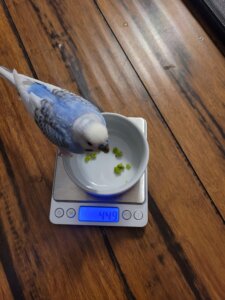
How Long Do Budgie Eggs Take To Hatch: A Complete Guide
Budgie eggs take about 18 to 21 days to hatch. Incubation starts after the female lays the first egg.
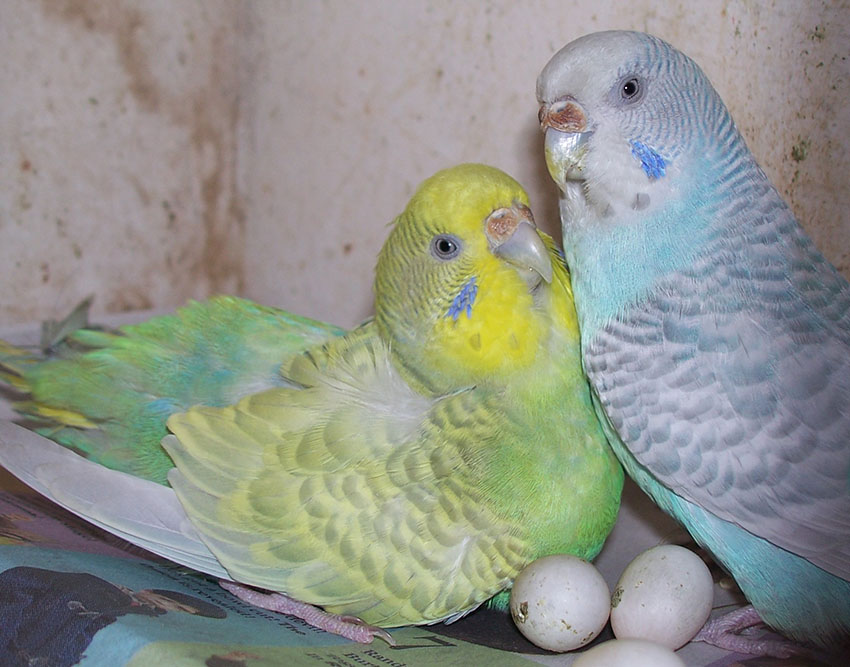
Budgies, also known as parakeets, are popular pet birds known for their vibrant colors and playful nature. Breeding budgies can be a rewarding experience, especially when you see their tiny eggs hatch. The female budgie usually lays one egg every other day until she completes her clutch, which can contain up to eight eggs.
Proper care, including a suitable nesting box, balanced diet, and a stress-free environment, is crucial for successful hatching. Monitoring the incubation period is essential to ensure that the eggs develop correctly and the chicks emerge healthy. Understanding the hatching process helps in providing the best care for your budgie family.
Credit: www.omlet.co.uk
Introduction To Budgie Eggs
Budgie eggs are small and white. They are fascinating to observe. Watching them hatch is a wonderful experience. This process takes patience and care. Learning about budgie eggs is exciting. Here, we will explore this topic in detail.
About Budgies
Budgies, also known as parakeets, are small birds. They come from Australia. These birds are very colorful. They are popular pets all around the world. Budgies are friendly and social.
Budgies love to chirp and play. They are intelligent creatures. They can mimic sounds and words. Budgies are easy to care for. They make great companions.
Importance Of Breeding
Breeding budgies is important for many reasons. It helps keep the species alive. It allows for new budgie varieties. Breeding also improves budgie health.
Breeders ensure that budgies are strong and healthy. They select the best pairs to mate. This process takes knowledge and skill. It is important to breed responsibly.
| Aspect | Description |
|---|---|
| Species Origin | Australia |
| Color Variations | Green, Blue, Yellow, and more |
| Average Lifespan | 5 to 10 years |
Understanding budgie eggs is the first step. It leads to successful breeding. Watching budgie eggs hatch is rewarding. It brings joy and new life into your home.
Egg Laying Process
The egg-laying process in budgies is fascinating. Understanding this process helps in proper care. Let’s explore the details.
Mating Rituals
Budgies perform unique mating rituals. The male sings and dances to impress the female. This courtship involves head bobbing and mutual feeding.
If the female is interested, she will respond positively. This mutual bonding is essential for successful mating.
Nesting Behavior
Once bonded, budgies exhibit specific nesting behaviors. The female seeks a safe, comfortable place to lay her eggs.
A nesting box is often used by budgie owners. Ensure it is clean and positioned correctly.
| Behavior | Description |
|---|---|
| Scratching | Female scratches the nesting material |
| Resting | She spends more time in the nest |
| Egg Laying | She starts laying eggs, usually one every other day |
During this time, the male budgie stays nearby. He often feeds the female and guards the nest.
Egg Incubation
The female budgie incubates the eggs after laying them. This period is crucial for the development of the chicks.
Incubation usually lasts around 18 days. Both parents take turns incubating the eggs, ensuring they remain warm.
- Keep the nesting area quiet and undisturbed.
- Maintain a comfortable temperature for the eggs.
- Provide a balanced diet for the parents.
Observing these behaviors and providing the right environment ensures healthy eggs and chicks.
Incubation Period
The incubation period for budgie eggs is a crucial time. It determines the successful hatching of healthy chicks. Typically, budgie eggs take around 18 days to hatch. This period can vary slightly, depending on various factors.
Temperature Requirements
Maintaining the right temperature is vital during the incubation period. The ideal temperature for budgie eggs is between 99.1°F and 99.5°F (37.3°C to 37.5°C). Fluctuations in temperature can affect the embryo’s development. Use a reliable incubator to ensure a stable environment.
Humidity Control
Humidity levels also play a key role in the incubation process. The recommended humidity level is around 50% to 55% during the first 17 days. In the last day before hatching, increase it to about 65% to 70%. Proper humidity prevents the eggs from drying out or becoming too moist.
| Incubation Stage | Temperature | Humidity |
|---|---|---|
| First 17 Days | 99.1°F – 99.5°F | 50% – 55% |
| Last Day | 99.1°F – 99.5°F | 65% – 70% |
Monitor the temperature and humidity levels regularly. Make adjustments if needed to maintain the optimal conditions for the eggs. Consistent care during the incubation period can lead to a higher hatching success rate.
Signs Of Healthy Eggs
Understanding the signs of healthy budgie eggs is crucial for successful hatching. Healthy eggs lead to strong, vibrant chicks. By observing a few key indicators, you can ensure your budgie eggs are on the right track.
Egg Candling
Egg candling is a simple way to check the health of budgie eggs. Hold a bright light behind the egg to see inside. You can use a small flashlight for this.
- Clear eggs: If the egg appears clear, it may be infertile.
- Veins: Healthy eggs show a network of red veins.
- Dark spot: A dark spot inside indicates an embryo.
Conduct candling in a dark room. Handle eggs gently to avoid damage.
Developmental Milestones
Monitoring developmental milestones is crucial. Here are the key stages:
- Day 1-3: Veins start forming.
- Day 4-5: The heart begins to beat.
- Day 6-10: The embryo grows rapidly.
- Day 11-14: Feathers start developing.
- Day 15-18: The chick prepares to hatch.
Check these milestones to ensure proper development.
Ensure proper temperature and humidity levels during incubation. This promotes healthy growth.
Below is a table summarizing the key signs:
| Day | Sign |
|---|---|
| 1-3 | Veins start forming |
| 4-5 | Heart begins to beat |
| 6-10 | Rapid embryo growth |
| 11-14 | Feather development |
| 15-18 | Chick prepares to hatch |
By understanding these signs, you can better care for your budgie eggs. This ensures a higher chance of successful hatching.
Hatching Timeline
Understanding the hatching timeline of budgie eggs is crucial for breeders. It helps ensure that they provide the best care during the incubation period. Below, we break down the timeline and factors affecting the hatching process.
Day-by-day Breakdown
| Day | Development |
|---|---|
| Day 1-3 | Fertilization occurs. The embryo starts forming. |
| Day 4-6 | Heartbeat starts. Organs begin to develop. |
| Day 7-10 | Feathers and bones start forming. |
| Day 11-13 | The chick grows rapidly. Eyes begin to develop. |
| Day 14-16 | The chick fills the egg. It readies to hatch. |
| Day 17-18 | The chick breaks the shell. Hatching occurs. |
Factors Influencing Hatching
- Temperature: Keep the incubation temperature between 99-101°F.
- Humidity: Maintain humidity at 50-60%. Higher during the last days.
- Turning Eggs: Turn eggs regularly to prevent the embryo from sticking.
- Health of Parents: Healthy parents produce stronger eggs.
- Diet: A balanced diet ensures better egg quality.
By monitoring these factors, you can ensure successful hatching. Each day is crucial for the development of the chick inside the egg.

Credit: www.talkbudgies.com
Caring For Eggs
Caring for budgie eggs is crucial for successful hatching. Proper care ensures the eggs remain healthy. Below are essential steps to follow for optimal egg care.
Proper Nesting Materials
Budgies need proper nesting materials for their eggs. Use a wooden nest box with a concave bottom. This shape keeps the eggs in place. Line the box with soft, natural materials.
| Material | Benefits |
|---|---|
| Wood Shavings | Soft and absorbent |
| Shredded Paper | Easy to find and clean |
| Coconut Fiber | Natural and safe |
Avoid using synthetic materials. These can harm the eggs. Change the nesting material regularly. This keeps the environment clean.
Protecting Eggs From Damage
Protecting eggs is vital for their development. Keep the nest box in a quiet, safe area. This reduces stress for the budgies. Avoid disturbing the nest. Minimal disturbance prevents eggs from breaking.
- Place the nest box in a high, secure location.
- Avoid touching the eggs with bare hands.
- Keep other pets away from the nest area.
Check the nest box daily. Look for signs of damage or dirt. Clean the nest if necessary. This keeps the eggs safe and healthy.
Remember, the right care helps budgie eggs hatch successfully. Follow these steps for happy, healthy chicks.
Post-hatching Care
Proper care of budgie hatchlings is essential for their growth. This section will guide you through the key aspects of post-hatching care. Let’s explore how to care for these tiny birds.
Feeding Hatchlings
Feeding hatchlings is crucial in their early days. Ensure you provide a nutritious diet.
- Use a syringe or dropper for feeding.
- Feed them a special formula designed for baby birds.
- Offer food every 2-3 hours during the day.
- Keep the food at body temperature.
As they grow, introduce soft foods like mashed vegetables and fruits. Gradually, they will start eating seeds.
Monitoring Growth
Regularly monitor the growth of your budgie hatchlings. This helps you ensure they are healthy.
- Weigh the chicks every day using a digital scale.
- Check their feather development.
- Observe their activity levels.
- Look for signs of sickness like lethargy or abnormal droppings.
If you notice any issues, consult a veterinarian immediately. Keeping a growth chart can be very helpful.

Credit: m.youtube.com
Troubleshooting Common Issues
When breeding budgies, one might encounter several issues. Understanding these common problems can ensure a successful hatching process.
Infertile Eggs
Infertile eggs are a common problem in budgie breeding. These eggs will not hatch, no matter how long you wait. Identifying these eggs early can save time and energy.
- Check for fertility: Candling the eggs around day 5 can help. Hold a light source against the egg to see inside.
- Look for signs: Fertile eggs will have visible veins. Infertile eggs will appear clear.
- Remove infertile eggs: This prevents the mother from wasting energy on them.
Delayed Hatching
Budgie eggs usually hatch in about 18 days. Sometimes, there can be delays.
- Temperature issues: Ensure the nesting area is warm enough. Ideal temperature: 37°C.
- Humidity levels: Keep humidity between 50-70%. Low humidity can delay hatching.
- Egg rotation: The mother should turn the eggs regularly. This helps with proper development.
| Issue | Potential Cause | Solution |
|---|---|---|
| Infertile Eggs | No fertilization | Candle eggs, remove infertile ones |
| Delayed Hatching | Temperature or humidity issues | Adjust environment |
Addressing these issues promptly ensures a higher success rate for hatching budgie eggs.
Frequently Asked Questions
How Long Do Budgie Eggs Take To Hatch?
Budgie eggs typically take about 18 days to hatch. The incubation period can vary slightly. Ensure the eggs are kept warm and undisturbed for the best results.
What Temperature Is Best For Hatching?
The optimal temperature for hatching budgie eggs is around 37. 5°C (99. 5°F). Consistent temperature is crucial for successful incubation. Use a reliable incubator to maintain this temperature.
How Many Eggs Do Budgies Usually Lay?
Budgies usually lay between 4 to 6 eggs per clutch. They lay one egg every other day. The female will start incubating after laying the second or third egg.
Can I Touch Budgie Eggs?
It’s best not to touch budgie eggs. Human scent can deter the mother from incubating. If you must handle them, use clean gloves to minimize the risk.
Conclusion
Understanding the hatching process of budgie eggs can help you care for them better. Typically, budgie eggs take 18 to 21 days to hatch. Patience and proper care are key to successful hatching. Always ensure a comfortable and safe environment for the eggs.
Happy bird watching!