6 Best Outside Bird Houses That Attract Feathers Fast
If you want birds to move in quickly, the right house makes a real difference. You will see why multi-room designs, predator guards, and simple mounting options matter for finches, bluebirds, wrens, and chickadees. Some picks offer faster use, while others focus on safer nesting. The best choice is not always the fanciest one, and a few small details can change everything.
| STARSWR 3-Hole Wooden Hanging Bird House |  | Best for Families | Bird Type: Bluebird, finch, cardinal | Material: Wood | Mounting Style: Hanging or standing | VIEW LATEST PRICE | Read Our Analysis |
| COLEBA 5-Hole Outdoor Bird House for Garden |  | Best Multi-Room | Bird Type: Bluebird, finch, cardinal, wren | Material: Carbonized pine wood | Mounting Style: Hanging | VIEW LATEST PRICE | Read Our Analysis |
| Kingsyard Wooden Wren House with Predator Guard |  | Best for Wrens | Bird Type: Bluebird, wren, chickadee | Material: Solid New Zealand pine | Mounting Style: Outdoor mounting | VIEW LATEST PRICE | Read Our Analysis |
| 80 Inch Adjustable Bird Feeder Pole |  | Best Birdhouse Pole | Bird Type: Bluebird | Material: Metal | Mounting Style: Pole-mounted | VIEW LATEST PRICE | Read Our Analysis |
| Fortress Bluebird House with Metal Entry Cage | 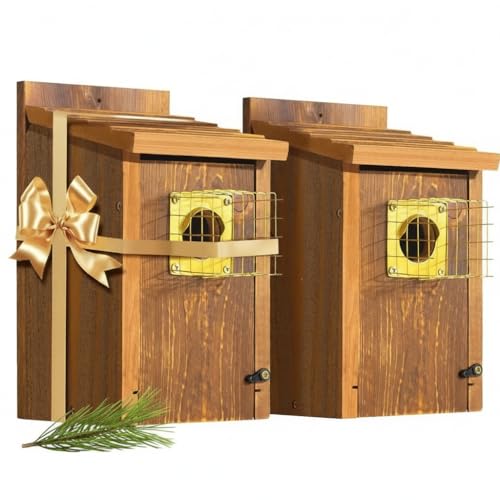 | Best Predator Guard | Bird Type: Eastern/Western bluebird, finch, swallow, wren | Material: Cedar wood | Mounting Style: Hanging | VIEW LATEST PRICE | Read Our Analysis |
| SISTERBIRD Wooden Wren Bird House with Blue Roof |  | Best Premium Pick | Bird Type: Wren, chickadee, nuthatch | Material: Solid wood | Mounting Style: Hanging | VIEW LATEST PRICE | Read Our Analysis |
More Details on Our Top Picks
STARSWR 3-Hole Wooden Hanging Bird House
If you want a birdhouse built for multiple families, the STARSWR 3-Hole Wooden Hanging Bird House is a smart pick. It is a modern brown wooden house with three entrances, so bluebirds, finches, and cardinals can settle in comfortably. Its 1.57-inch holes help keep larger birds out, and the front platform makes landing easy. You can hang it with the strong hemp rope, or set it on a flat surface. The back door improves ventilation and lets you clean it quickly. It is durable, handcrafted, and provides birds shelter from wind, rain, snow, and cold.
- Bird Type:Bluebird, finch, cardinal
- Material:Wood
- Mounting Style:Hanging or standing
- Cleaning Access:Back door
- Entrance Size:1.57-inch hole
- Weather Resistance:Outdoor shelter
- Additional Feature:Three family rooms
- Additional Feature:Hemp rope hanging
- Additional Feature:Wide bottom design
COLEBA 5-Hole Outdoor Bird House for Garden
The COLEBA 5-Hole Outdoor Bird House is a smart pick if you want a decorative hanging birdhouse that can welcome multiple small bird families at once. It has a classic castle look in rustic brown carbonized pine wood, and it is built to withstand moisture and sun outdoors. Five separate rooms, including a large center space and four side rooms, give bluebirds, finches, cardinals, wrens, and other small birds room to settle. Each nesting chamber has its own back clean-out door, so you can keep it hygienic. Assembly is required. The 7.08 x 11.02 x 9.05 inch design weighs 3.2 pounds.
- Bird Type:Bluebird, finch, cardinal, wren
- Material:Carbonized pine wood
- Mounting Style:Hanging
- Cleaning Access:Back clean-out doors
- Entrance Size:Multi-room openings
- Weather Resistance:Moisture/sun resistant
- Additional Feature:Five nesting rooms
- Additional Feature:Castle-inspired design
- Additional Feature:Separate room clean-outs
Kingsyard Wooden Wren House with Predator Guard
With a 1-inch entrance hole, a metal predator guard, and air vents for healthy airflow, the Kingsyard Wooden Wren House is a smart choice for anyone who wants a safe, comfortable nesting spot for wrens, bluebirds, or chickadees. It is built from thick New Zealand pine and finished in classic royal blue. The sturdy box measures 8.94 x 7.9 x 7.4 inches. The easy-open lid makes cleaning simple, and no assembly is required. Use it on your patio or in your garden and enjoy birdwatching with confidence. Kingsyard backs it with a lifetime warranty.
- Bird Type:Bluebird, wren, chickadee
- Material:Solid New Zealand pine
- Mounting Style:Outdoor mounting
- Cleaning Access:Easy-open lid
- Entrance Size:1-inch hole
- Weather Resistance:Weatherproof coating
- Additional Feature:Metal predator guard
- Additional Feature:Easy-open lid
- Additional Feature:Built-in air vents
80 Inch Adjustable Bird Feeder Pole
An 80 inch adjustable bird feeder pole is a practical choice for anyone who wants a sturdy, flexible setup for birdhouses, feeders, or a weather station. You can adjust the height, hang multiple accessories, and keep everything steady with its stable base. The heavy duty metal construction resists rust and corrosion, so it will hold up in humid or rainy weather. It reduces wind sway and seed spill, and its clean appearance complements gardens, patios, and backyards. It will also help attract bluebirds, finches, and sparrows.
- Bird Type:Bluebird
- Material:Metal
- Mounting Style:Pole-mounted
- Cleaning Access:Mounting kit
- Entrance Size:Hanging mount
- Weather Resistance:Rustproof
- Additional Feature:Adjustable height
- Additional Feature:Stable base
- Additional Feature:Weather station compatible
Fortress Bluebird House with Metal Entry Cage
If you want a sturdy, low-maintenance bird house built for bluebirds, the Fortress Bluebird House with Metal Entry Cage is a smart choice. This 2-pack of pre-assembled cedar houses lets you hang them immediately. The 6″ by 7″ interior fits Eastern and Western Bluebirds, and the 1-1/2″ entry helps keep larger birds out. A brass guard, metal entry cage, mesh base, and copper plate provide long-lasting protection. The front opens for easy cleaning, and the attractive design supports backyard biodiversity.
- Bird Type:Eastern/Western bluebird, finch, swallow, wren
- Material:Cedar wood
- Mounting Style:Hanging
- Cleaning Access:Open-door design
- Entrance Size:1.5-inch hole
- Weather Resistance:Rot resistant
- Additional Feature:Metal entry cage
- Additional Feature:Brass guard protection
- Additional Feature:Open-door access
SISTERBIRD Wooden Wren Bird House with Blue Roof
SISTERBIRD’s Wooden Wren Bird House with a blue roof is a smart pick for anyone looking to attract wrens and other small backyard birds to an outdoor space. You get a premium wooden house with a modern look, a 1-1/4″ entrance, and a copper predator guard that helps protect nesting birds. Hang it easily with the stainless steel hook on trees, poles, walls, or fences. The weatherproof coating, ventilation holes, side door, and built-in ladder make it practical, durable, and easy to clean. It is ideal for nesting and feeding support.
- Bird Type:Wren, chickadee, nuthatch
- Material:Solid wood
- Mounting Style:Hanging
- Cleaning Access:Side door
- Entrance Size:1.25-inch hole
- Weather Resistance:Wind/rain resistant
- Additional Feature:Copper predator guard
- Additional Feature:Built-in ladder
- Additional Feature:Vintage door latch
Factors to Consider When Choosing an Outside Bird House
When choosing an outside bird house, match it to the species you want, since each requires a specific entrance hole size and interior space. Also select durable materials that withstand weather, and ensure the box has good ventilation and drainage to keep the nest dry and healthy. Don’t forget easy cleaning access, because you will need to maintain the house between seasons.
Bird Species Needs
Choosing an outside bird house starts with the species you want to attract, because entrance size, interior space, and layout all need to fit that bird’s needs. You will get better results when you design for one bird at a time, since wrens, bluebirds, and other small species prefer different nesting conditions. Some birds do best in a simple cavity, while others can use a multi-room house if each section feels right. Add features that help the target bird enter, perch, and stay safe, such as a small platform or a predator guard. Good ventilation and easy clean-out access also matter, because they keep the nest healthy and ready for reuse. If you want several small species, size the house for the smallest one you would like to host, and keep larger, aggressive birds out.
Entrance Hole Size
Entrance hole size is one of the most important details to get right, because it determines which birds can use the house in the first place. Match the opening to your target species, since bluebirds, wrens, chickadees, and similar birds each prefer different sizes. Most small-bird entrances measure between about 1.0 inch and 1.57 inches in diameter. A smaller hole helps keep larger birds out, reduces competition, and gives nesting birds more security. If you choose an opening that is too large, you may invite unwanted visitors; if it is too small, your target birds will not use it. You can also add a standing platform at the entrance to help small birds enter more easily, without opening the house to bigger species.
Material Durability
Durability matters because an outside bird house has to handle sun, rain, wind, and cold without falling apart. You should pick solid wood, cedar, carbonized pine, or weatherproof-coated wood, because these materials stand up better over time. Thicker boards add strength and insulation, so the house stays stable and gives nesting birds a warmer refuge. If you live in a humid or rainy area, choose moisture-resistant and rot-resistant construction to reduce warping, cracking, and decay. Also check the hardware; rustproof or corrosion-resistant screws, hooks, and metal parts help prevent failure at stress points. Strong joinery and weather-resistant finishes matter too, since they let the bird house last through multiple seasons with less wear and fewer repairs.
Ventilation And Drainage
Once you have selected a sturdy outdoor birdhouse, ensure it also allows air to move and water to drain out. Provide multiple ventilation openings, wall vents, or floor vents so warm, damp air does not linger in the nesting chamber. That airflow helps keep the space cooler and drier, which reduces the risk of mold and stale conditions. Drainage is equally important because eggs and chicks need a dry nest after rain or snow. Choose a design with a slightly raised floor, or place the entrance to limit splash and runoff. A back or side door can also help air circulate and let moisture escape. When ventilation and drainage work together, you provide birds with a healthier, more comfortable shelter.
Cleaning Access
When you choose an outside bird house, make cleaning access a priority so you can remove nesting material without disturbing the main chamber. Look for a back door, side door, or open-door design that gives you direct entry after nesting season. If the house has multiple rooms, each compartment should have its own clean-out access so you can sanitize every nesting space with less hassle. A wider opening, around 6 inches across and 11 inches high, can speed maintenance and make reuse easier. Easy-open lids and latch-style panels also help you reach the interior fast for routine cleaning. This is especially important in multi-hole or enclosed designs, where each section may need separate attention to keep conditions hygienic and ready for new birds.
Mounting And Placement
After you have chosen a bird house that is easy to clean, consider how and where you will mount it so it stays secure and usable. Match the mounting method to the design: hang it from a sturdy rope or hook, or set it on a flat surface or wooden board. If you use a pole, choose a stable, weather resistant mount with an adjustable height of about 80 inches to limit sway and spills. Install the house on trees, vines, poles, walls, fences, or other supports that will not shift much. Position the entrance and landing area toward an open approach so birds can enter easily while still having nearby cover. Pick a spot that also lets you reach the house quickly for routine cleaning and maintenance without disturbing the birds.
Weather Protection
Weather protection matters because the materials and design of an outdoor bird house determine how well it withstands rain, wind, sun, and cold. Choose durable, weather-resistant materials such as solid wood, cedar, carbonized pine, or coated wood so the house lasts longer outdoors. Use a tight-fitting back panel, a roof overhang, and enclosed nesting rooms; these features help block cold winds, snow, and moisture. Provide ventilation holes to reduce dampness and keep the interior drier without exposing birds to the elements. A secure entrance hole about 1 to 1.5 inches wide helps limit access by larger animals. For storms, select stable hanging hardware or a solid mount so the house does not sway.
Frequently Asked Questions
How Often Should I Clean an Outdoor Bird House?
Clean your outdoor bird house at least once a year, ideally after nesting ends. If you notice droppings, mites, or mold, clean it sooner to protect bird health and encourage them to return.
Which Birds Prefer Hanging Bird Houses?
You’ll find chickadees, wrens, nuthatches, and titmice often prefer hanging bird houses. The same sway that may startle you can comfort them. Choose sheltered spots, and you will invite more nesting visits quickly.
Do Bird Houses Need Drainage Holes?
Yes, you need drainage holes so rain can escape and the nesting box stays dry. Drill a few small holes in the bottom to help birds avoid mold, damp bedding, and chilled chicks.
Can I Mount a Bird House on a Pole?
Yes, you can mount a bird house on a pole if you secure it firmly, make it predator-proof, and place it at the right height. You should also provide drainage and ventilation, and minimize swaying.
What Season Is Best for Installing Bird Houses?
You might think spring, but the best time to install bird houses is late fall or winter, before nesting begins. This lets birds scout potential sites early, avoids disturbing them during breeding, and gives you calm, easy weather to correct mounting issues.