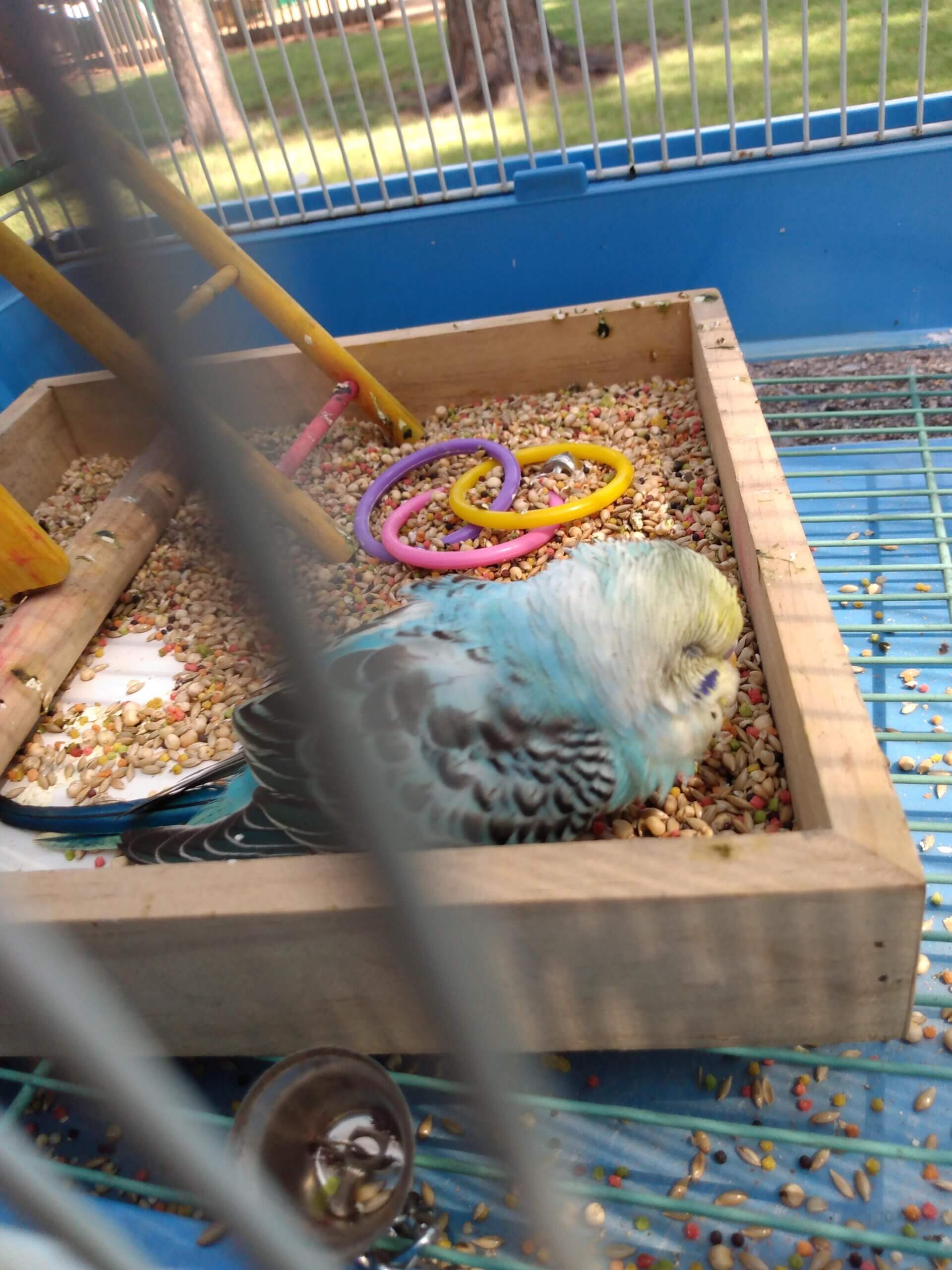
Why Is My Budgie At The Bottom Of The Cage?: Discover Causes
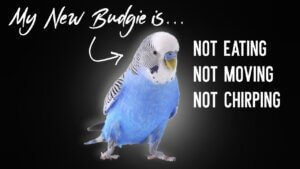
Your budgie may be at the bottom of the cage due to illness or injury. It might also be feeling cold or scared.
Budgies are generally active and playful birds. Seeing your budgie at the bottom of the cage can be concerning. This behavior often indicates a problem, such as illness, injury, or stress. Sometimes, the bird might be feeling cold or scared.
It’s essential to observe other signs like lethargy, changes in appetite, or unusual droppings. Immediate attention and possibly a visit to an avian vet can ensure your budgie’s well-being. Maintaining a safe and comfortable environment is crucial for their health. Always monitor your pet for any sudden changes in behavior.
Common Reasons
Is your budgie sitting at the bottom of the cage? It could be a sign of something serious. Let’s explore the common reasons why your budgie might be behaving this way.
Illness
A budgie at the bottom of the cage might be sick. Illness can make a budgie feel weak. This makes them rest more often. Signs of illness can include:
- Fluffed-up feathers
- Loss of appetite
- Watery droppings
- Labored breathing
If you notice these signs, consult a vet. Early treatment can save your budgie’s life.
Injury
An injury can also cause your budgie to stay at the cage bottom. They might have hurt their wing or leg. Look for signs of injury:
- Limping
- Favoring one leg
- Visible wounds
- Unusual posture
If you see any of these signs, gently check your budgie. Handle them with care. Seek veterinary help immediately.
| Reason | Signs |
|---|---|
| Illness | Fluffed-up feathers, loss of appetite, watery droppings, labored breathing |
| Injury | Limping, favoring one leg, visible wounds, unusual posture |

Credit: www.talkbudgies.com
Behavioral Factors
Understanding the behavioral factors that might explain why your budgie is sitting at the bottom of the cage is crucial. These factors often stem from the bird’s environment, emotions, and mental state. Let’s explore two significant behavioral factors: stress and boredom.
Stress
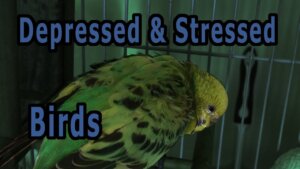
Stress can heavily influence your budgie’s behavior. Stressful situations might include loud noises, sudden movements, or unfamiliar surroundings. These factors can make your budgie feel unsafe. A stressed budgie may seek the bottom of the cage for a sense of security.
To help your budgie, consider the following tips:
- Ensure a calm and quiet environment.
- Avoid sudden changes in their cage layout.
- Provide hiding spots or cover the cage partially.
Boredom
Boredom is another common reason for this behavior. Budgies need mental stimulation to stay happy and healthy. Lack of toys, interaction, or activities can lead them to sit at the bottom of the cage out of sheer boredom.
Here are some ways to prevent boredom:
- Rotate toys regularly to keep them interesting.
- Spend time interacting with your budgie daily.
- Introduce new activities, like puzzle feeders.
By addressing these behavioral factors, you can improve your budgie’s well-being and reduce the likelihood of them staying at the bottom of the cage.
Environmental Issues
Budgies are delightful pets, but they can sometimes behave oddly. One common issue is finding your budgie at the bottom of the cage. This can be concerning for any pet owner. One of the potential reasons could be environmental issues. Let’s explore the possible environmental factors that could cause this behavior.
Temperature
Budgies are sensitive to temperature changes. They thrive in temperatures between 65-75°F (18-24°C). If the temperature is too low, your budgie may feel cold and seek warmth at the bottom of the cage. Conversely, if it’s too hot, they might go to the bottom to escape the heat.
Maintain a stable temperature to ensure your budgie’s comfort. Use a thermometer to monitor the cage environment.
Noise Levels
Budgies are also very sensitive to noise. Loud sounds can stress them out. This stress may drive them to the bottom of the cage for safety.
Keep the cage in a quiet area. Avoid placing it near televisions, radios, or loud appliances. A calm environment helps keep your budgie happy and healthy.
Dietary Concerns
Understanding your budgie’s diet is crucial. Dietary concerns can lead to your budgie staying at the bottom of the cage. Poor nutrition and unsuitable food can affect their health and behavior.
Nutrient Deficiency
A nutrient deficiency can make your budgie lethargic. Budgies need a balanced diet with essential vitamins and minerals. Lack of calcium or vitamin D can weaken their bones. This can make them stay at the bottom of the cage.
Offer a variety of foods like:
- Fresh fruits
- Vegetables
- High-quality pellets
- Seeds
Ensure they get enough protein and fiber. Consult a vet if you are unsure about their diet.
Food Preferences
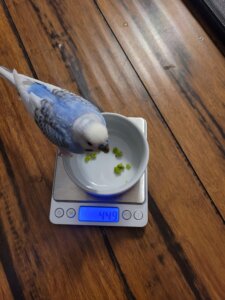
Budgies can have unique food preferences. They might reject certain foods, leading to imbalanced nutrition. Observe what they like and dislike.
Introduce new foods gradually:
- Start with small portions.
- Mix new foods with their favorites.
- Monitor their reactions.
Keep offering a variety of foods to ensure they get all necessary nutrients. A picky eater might need a change in diet to stay healthy.
Use the table below for a quick guide:
| Food Type | Examples |
|---|---|
| Fruits | Apples, Bananas, Grapes |
| Vegetables | Carrots, Spinach, Broccoli |
| Protein Sources | Boiled Eggs, Cooked Chicken |
| Grains | Quinoa, Brown Rice |
Maintaining a balanced diet is key to a healthy and happy budgie.
Social Dynamics
Understanding the social dynamics of your budgie can explain its behavior. Budgies are social creatures and their interactions can impact their well-being. Observing how they interact with each other can reveal why your budgie is at the bottom of the cage.
New Cage Mate
Introducing a new cage mate can be stressful for your budgie. They may feel threatened or unsure of the newcomer. This could lead them to seek safety at the bottom of the cage. Watch for signs of acceptance or conflict between the birds. Gradual introductions can help ease this transition.
Territorial Behavior
Budgies can exhibit territorial behavior in their cage. If one budgie is more dominant, the other may be pushed to the bottom. This is a natural behavior but needs monitoring. Provide multiple perches and toys to reduce conflict.
| Signs of Territorial Behavior | Possible Solutions |
|---|---|
| Pecking | Separate cages temporarily |
| Chasing | Introduce new toys |
| Feather fluffing | Provide more space |
Understanding these social dynamics can help you address your budgie’s behavior. Always observe their interactions and make adjustments as needed.

Credit: www.talkbudgies.com
Age-related Changes
Budgies, like humans, undergo various changes as they age. Understanding these changes can help explain why your budgie might be spending more time at the bottom of its cage. Let’s explore how age impacts both young and older budgies.
Young Budgies
Young budgies are typically full of energy. They love to explore and play.
- Curiosity: Young budgies often go to the bottom out of curiosity.
- Learning: They are learning about their environment.
- Playfulness: Young budgies might be playing with toys or chasing food.
It’s normal for young budgies to be at the bottom. They are simply exploring and playing.
Older Budgies
Older budgies may spend more time at the bottom due to age-related changes.
| Reason | Description |
|---|---|
| Reduced Energy | Older budgies have less energy and may prefer to rest. |
| Arthritis | They may experience joint pain, making it hard to perch. |
| Vision Loss | Vision problems can make them feel safer at the bottom. |
Older budgies need extra care. Ensure their cage is safe and comfortable.
Exploring Solutions
Finding your budgie at the bottom of the cage can be worrying. It is important to explore solutions to ensure your pet’s health and happiness. This section will cover veterinary care and environmental adjustments to help your budgie thrive.
Veterinary Care
First, consider taking your budgie to a vet. They can rule out any health issues. Common problems include respiratory infections, parasites, and injuries. A vet can provide medication if needed.
- Check for signs of illness like sneezing or lethargy.
- Ensure your budgie is eating and drinking properly.
- Follow the vet’s advice on care and treatment.
Environmental Adjustments
Sometimes, the cage environment might be causing stress. Make sure the cage is big enough for your budgie to move around. Provide perches at different heights. Add toys to keep your budgie entertained.
| Adjustment | Description |
|---|---|
| Proper Cage Size | Ensure the cage is spacious and allows for flight. |
| Perches | Provide multiple perches at various levels. |
| Toys | Include toys to stimulate your budgie’s mind. |
Temperature can also affect your budgie’s behavior. Keep the cage in a warm, draft-free area. Avoid placing the cage near windows or vents. Ensure the room is well-lit but not too bright.
- Maintain a consistent room temperature.
- Avoid sudden changes in lighting.
- Keep the cage clean and hygienic.
By addressing these areas, you can help your budgie feel safe and comfortable. Proper care and environment adjustments are key to your budgie’s well-being.
Preventive Measures
Noticing your budgie at the bottom of the cage can be concerning. Taking preventive measures can help ensure your budgie stays healthy and active. These steps can prevent many health issues.
Routine Check-ups
Regular visits to a vet are essential. A vet can detect early signs of illness. Schedule a check-up every six months. Keep a record of your budgie’s health. Note any changes in behavior or appearance.
Observe your budgie daily. Look for signs of lethargy or disinterest. Early detection can lead to quick treatment. Ensure the vet checks for parasites and infections. A healthy diet also plays a crucial role.
Enrichment Activities
Budgies need mental stimulation. Provide toys and activities to keep them engaged. Rotate toys weekly to maintain their interest. Offer a variety of perches and swings.
Play soft music or natural sounds. Budgies enjoy different sounds. Spend time interacting with your bird daily. Talk, whistle, or sing to them. This interaction strengthens your bond.
Consider creating a play area outside the cage. A safe space for your budgie to explore. Supervise them during out-of-cage time. This keeps them safe while they exercise.
Ensure your budgie’s cage is spacious. A crowded cage can cause stress. Place the cage in a quiet, well-lit area. Avoid direct sunlight and drafts. Proper environmental conditions are crucial for their well-being.
Credit: www.reddit.com
Frequently Asked Questions
Why Is My Budgie Sitting At The Bottom?
Budgies might sit at the bottom due to illness, stress, or injury. Ensure the cage is safe and consult a vet.
Is It Normal For Budgies To Stay At The Bottom?
No, it’s not normal. Budgies usually perch higher. Staying at the bottom can signal health or environmental issues.
How Can I Help My Budgie If It’s At The Bottom?
First, check for injuries or illness. Ensure the cage is safe and stress-free. Consult a vet for advice.
What Should I Check If My Budgie Is At The Bottom?
Check for signs of illness, injuries, and environmental stressors. Ensure the cage is clean and well-maintained.
Conclusion
Understanding why your budgie is at the bottom of the cage is crucial. It could indicate health issues or stress. Always monitor your bird closely and consult a vet if needed. Ensuring a safe, comfortable environment can help your budgie thrive.
Regular check-ups and proper care can prevent many problems.