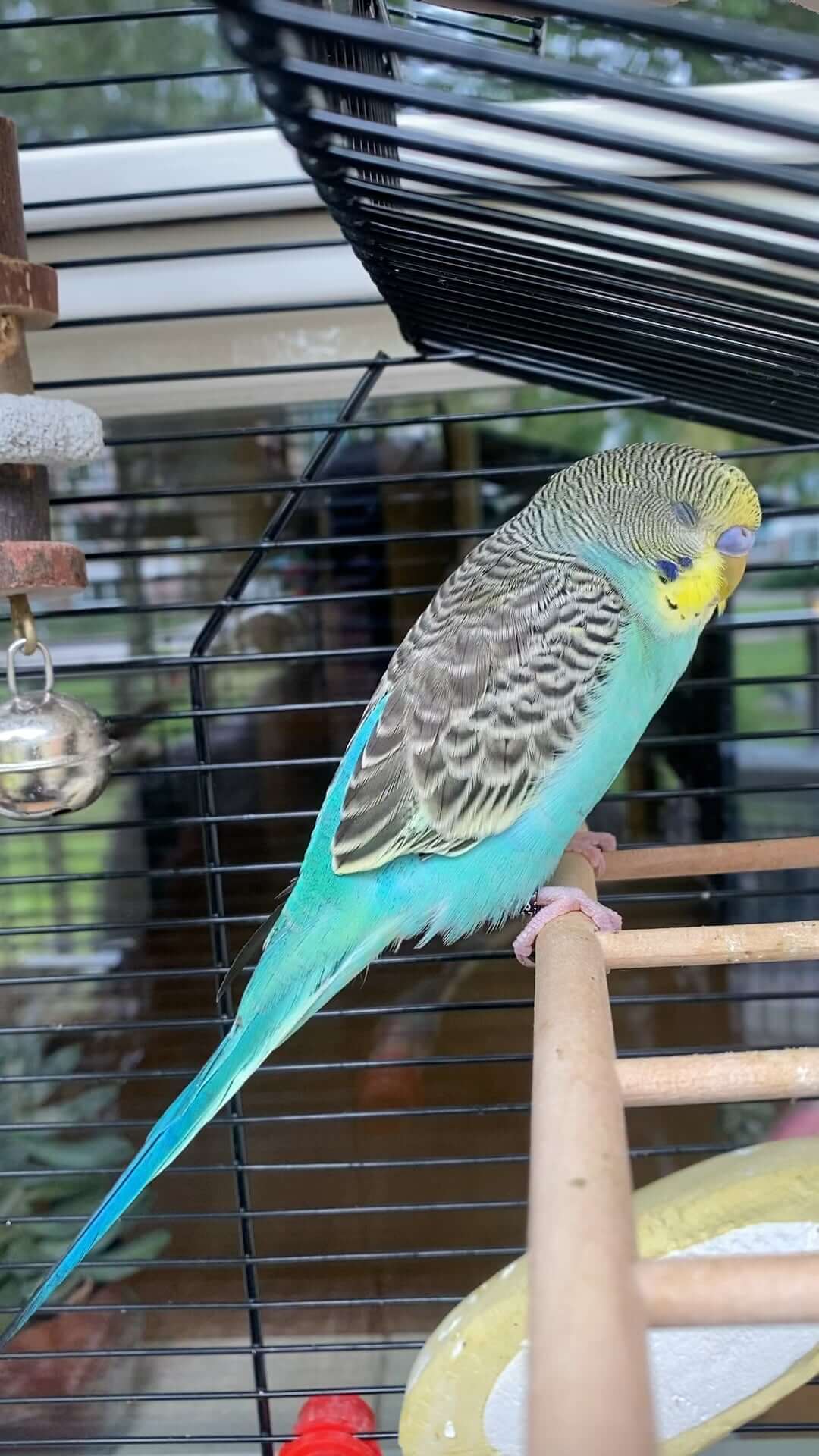
Why Is My Budgie Wagging Its Tail: Understanding the Behavior
Your budgie might be wagging its tail to express happiness or to adjust its balance. Tail wagging can also indicate health issues.
Budgies often use body language to communicate their emotions and needs. Tail wagging is one of the most noticeable behaviors. It can signify joy, excitement, or even contentment. Observing your budgie’s tail movements can provide valuable insights into its well-being.
If your budgie wags its tail while chirping or interacting, it likely feels happy and safe. However, persistent or unusual tail wagging could signal health problems. Always consider the context and other behaviors your budgie exhibits. Regular observation and understanding of these signals can help ensure your budgie remains healthy and happy.
Common Budgie Behaviors
Budgies are known for their lively and engaging behaviors. Understanding these behaviors helps create a healthy environment. Below are some common behaviors you might observe in your budgie.
Normal Activities
Budgies love to play, sing, and socialize. These activities show they are happy and healthy.
- Chirping and Singing: Budgies often chirp and sing throughout the day. This is a sign of joy and contentment.
- Preening: Budgies preen their feathers to keep them clean. This is a normal grooming activity.
- Playing with Toys: Budgies enjoy interacting with their toys. This keeps them mentally stimulated.
- Head Bobbing: Head bobbing is a playful action. It shows they are excited or happy.
Unusual Movements
Some movements might seem unusual but can be normal for budgies. Knowing these can help you understand your pet better.
- Tail Wagging: Tail wagging can mean different things. It could be a sign of happiness or a way to balance.
- Regurgitating: Budgies sometimes regurgitate food. This is often a sign of affection.
- Wing Flapping: Flapping wings without flying can be a form of exercise. It helps them stretch and stay fit.
- Beak Grinding: Budgies grind their beaks when they are content. It usually happens before they sleep.
Understanding these behaviors is key to ensuring your budgie is happy and healthy.
Tail Wagging Explained
Budgies often communicate through their body language. One such behavior is tail wagging. Understanding why your budgie wags its tail can help you gauge its mood and health. This section will explore the reasons behind tail wagging.
Signs Of Happiness
Tail wagging often indicates a happy budgie. Birds show their joy through this action.
- Excitement: Your budgie may wag its tail when it sees you.
- Playfulness: Tail wagging during play shows enjoyment.
- Contentment: A calm wag means your bird feels safe.
Expressions Of Discomfort
Sometimes, tail wagging signals that something is wrong. Pay attention to these signs.
- Stress: Rapid tail wagging can indicate anxiety.
- Illness: Wagging combined with fluffed feathers may signal sickness.
- Discomfort: Check for other signs like squawking or unusual behavior.
Health Indicators
Understanding why your budgie wags its tail can reveal its health status. This behavior can indicate physical or mental well-being. Observing these signs helps ensure your pet stays happy and healthy.
Physical Health
Budgies often wag their tails to show they are healthy. A happy budgie will have bright eyes and smooth feathers. If you notice your budgie wagging its tail, check its overall physical health.
Look for any signs of illness like:
- Fluffed-up feathers
- Decreased activity
- Changes in appetite
A healthy budgie eats regularly and has clear, bright eyes. If your budgie’s tail wagging is accompanied by other unusual signs, consult a vet.
Mental Well-being
Tail wagging can also signify your budgie’s mental state. A content budgie will often wag its tail when it feels safe and happy. This behavior is a good indicator of a well-adjusted pet.
Ensure your budgie’s mental well-being by providing:
- Interactive toys
- Regular social interaction
- A stimulating environment
Happy budgies show positive behaviors like singing and playing. If you notice tail wagging along with these behaviors, your budgie is likely mentally well.

Credit: www.tiktok.com
Environmental Factors
Understanding the environmental factors affecting your budgie’s behavior is crucial. One common behavior is tail wagging. This can be influenced by various elements in their surroundings.
Cage Conditions
The cage conditions play a significant role in your budgie’s behavior. Ensure the cage is spacious enough for them to move around freely. A small cage can cause stress and lead to tail wagging.
- Provide a large enough cage for free movement.
- Ensure the cage is clean and free from any hazards.
- Place the cage in a quiet area away from direct sunlight and drafts.
- Include toys and perches to keep your budgie entertained.
Proper cage conditions are essential for your budgie’s happiness.
Interaction With Owners
Interaction with owners is vital for a budgie’s mental health. Budgies are social creatures and need attention from their owners.
- Spend at least 30 minutes a day interacting with your budgie.
- Talk to your budgie softly to build a bond.
- Offer treats and toys during playtime.
- Provide opportunities for your budgie to fly outside the cage.
Regular interaction can reduce stress and tail wagging in budgies.
Social Interactions
Budgies, or parakeets, are social birds. They often express their feelings through body language. Tail wagging is one such behavior. It can mean different things based on their interactions. Let’s explore what tail wagging means during social interactions.
Communication With Other Birds
Budgies wag their tails to communicate with other birds. This can be a way to show friendliness. Sometimes, they use tail wagging to establish their space. It helps them avoid conflicts.
When budgies wag their tails rapidly, they may feel excited. They also do this to show that they are happy. You might see this behavior during playtime with other birds.
Response To Humans
Budgies also wag their tails to communicate with humans. This behavior can show different emotions. If your budgie wags its tail slowly, it might feel content.
Budgies may also wag their tails when they want attention. They could be asking for some interaction time. This is a way for them to bond with their human friends.
Sometimes, tail wagging might mean your budgie feels curious. It could be exploring its surroundings or reacting to new objects.

Credit: www.tiktok.com
Stress And Anxiety
Stress and Anxiety are common reasons why your budgie might be wagging its tail. Budgies, like humans, can feel stressed. This stress can manifest in physical behaviors. Understanding the causes of stress can help you create a better environment for your feathered friend.
Identifying Stress
Recognizing signs of stress in your budgie is crucial. Stress can show through various behaviors. Here are some common signs:
- Frequent tail wagging
- Feather plucking
- Loss of appetite
- Excessive vocalization
- Restlessness
Noticing these signs early can prevent bigger health issues. A stressed budgie may also have changes in droppings. Keep an eye on their eating and drinking habits. If these signs persist, consult an avian vet.
Creating A Calm Environment
Creating a calm environment is key to reducing stress. Here are some tips:
- Provide a safe space: Ensure the cage is in a quiet area.
- Regular interaction: Spend quality time with your budgie.
- Toys and activities: Offer toys to keep them engaged.
- Proper diet: Feed a balanced diet with fresh fruits and vegetables.
- Routine: Keep a regular routine for feeding and cleaning.
Also, avoid sudden loud noises. Keep the cage away from drafts or direct sunlight. Make sure the cage is spacious enough for your budgie to move freely.
| Stress Factor | Solution |
|---|---|
| Noise | Place the cage in a quiet area. |
| Lack of interaction | Spend more time with your budgie. |
| Poor diet | Provide a balanced diet. |
By addressing these factors, you can help your budgie feel more secure. A stress-free budgie is a happy budgie!
Training And Habituation
Understanding why your budgie wags its tail often involves training and habituation. These processes help your bird learn new behaviors and adapt to its environment. Let’s explore how you can use training techniques to create a happy and well-adjusted budgie.
Positive Reinforcement
Positive reinforcement is a powerful tool in training your budgie. This method involves rewarding your bird for good behavior. A reward can be a treat, a toy, or even praise.
- Offer a small treat when your budgie wags its tail happily.
- Use a clicker to mark the behavior and follow with a reward.
- Consistency is key. Always reward the desired behavior promptly.
Positive reinforcement helps your budgie associate tail wagging with good things. This encourages it to repeat the behavior.
Behavioral Conditioning
Behavioral conditioning involves creating associations between actions and outcomes. This method can help your budgie learn what to expect from its environment.
- Identify what triggers your budgie’s tail wagging.
- Introduce a cue, such as a word or sound, before the behavior.
- Reward your budgie when it responds correctly to the cue.
Over time, your budgie will learn to associate the cue with the behavior and the reward. This makes the training process smoother and more effective.
| Method | Description | Examples |
|---|---|---|
| Positive Reinforcement | Rewarding good behavior | Treats, praise, toys |
| Behavioral Conditioning | Creating associations | Cues, rewards |
Both positive reinforcement and behavioral conditioning are essential for training your budgie. Using these techniques will help you understand why your budgie wags its tail and how to encourage positive behaviors.
When To See A Vet
Budgies are delightful, colorful pets that bring joy to many households. Tail wagging can be a common behavior in budgies. But sometimes it may indicate an underlying issue. Knowing when to see a vet can make a difference in your budgie’s health.
Signs Of Illness
Pay attention to changes in your budgie’s behavior. Look for the following signs of illness:
- Loss of appetite
- Fluffed-up feathers
- Labored breathing
- Discharge from eyes or nose
- Lethargy or weakness
If you notice any of these signs, it is time to seek professional help. Early intervention can prevent serious health issues.
Professional Advice
Consulting a veterinarian with experience in avian care is crucial. They can provide a proper diagnosis and treatment plan. Here are some steps to take:
- Call your vet and describe the symptoms.
- Schedule an appointment as soon as possible.
- Follow the vet’s advice on diet and care.
- Monitor your budgie closely for any changes.
In some cases, the vet may recommend diagnostic tests. These tests can include blood work or X-rays. Ensure you follow through with any recommended treatments.
Regular check-ups are also vital to keep your budgie healthy. A vet can spot potential problems before they become serious. Always keep your budgie’s health a priority.

Credit: www.reddit.com
Frequently Asked Questions
Why Is My Budgie Wagging Its Tail?
Budgies wag their tails when they are happy or excited. It’s a common behavior that shows contentment.
Is Tail Wagging A Sign Of Illness In Budgies?
Tail wagging is usually not a sign of illness. However, if it’s accompanied by other symptoms, consult a vet.
How Often Do Budgies Wag Their Tails?
Budgies wag their tails frequently. It’s a normal and regular part of their behavior when they feel relaxed.
Do All Budgies Wag Their Tails?
Yes, all healthy budgies wag their tails. It’s a natural behavior indicating they are comfortable and happy.
Conclusion
Understanding why your budgie wags its tail helps you care for your pet better. It can indicate happiness or discomfort. Pay close attention to your budgie’s behavior and environment. Ensuring a happy, healthy bird requires awareness and care. Your budgie’s tail-wagging is a key part of its communication.
