Budgie Care For Newbies: Essential Tips For First-Time Bird Owners
Budgie care involves providing a clean cage, proper diet, and regular social interaction. Understanding their needs ensures a happy, healthy bird.
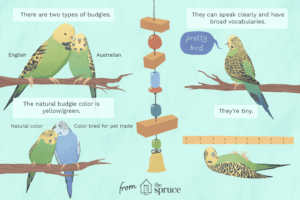
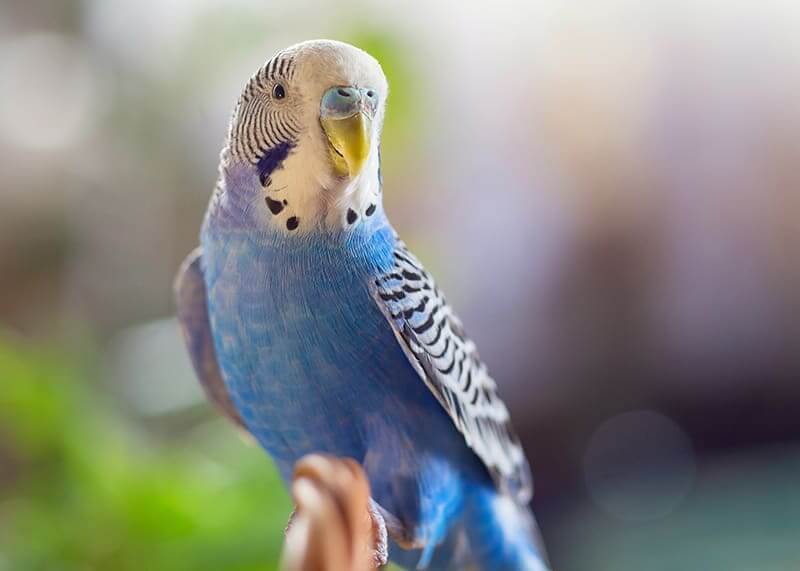
Budgies, also known as parakeets, are small, colorful birds that make excellent pets. They are social creatures that thrive on interaction and stimulation. A clean cage is essential to prevent diseases and maintain their well-being. Fresh water and a balanced diet, including seeds, fruits, and vegetables, are crucial for their health.
Regular playtime and bonding help in keeping them mentally and emotionally satisfied. As a first-time bird owner, investing time in understanding your budgie’s behavior and needs will create a rewarding experience for both you and your feathered friend. Proper care ensures a long, happy life for your pet budgie.

Credit: www.reddit.com
Choosing Your Budgie
Choosing the right budgie is key for a happy bird experience. This section will guide you through the essential steps. Learn how to select a healthy bird and decide between a male or female budgie.
Selecting A Healthy Bird
A healthy budgie is active and alert. Look for bright eyes and smooth feathers. The bird should be curious about its surroundings.
- Eyes: Clear, bright, and free from discharge.
- Feathers: Smooth, clean, and well-groomed.
- Beak and Feet: Smooth with no cracks or sores.
- Breathing: Quiet and steady, without wheezing.
Observe the budgie’s behavior. A healthy bird is lively and social. Avoid birds that sit quietly for long periods. Ensure the bird is eating and drinking normally.
Male Vs. Female Budgies
Male and female budgies have different traits. Males are usually more vocal and social. Females may be quieter but can be more territorial.
| Characteristics | Male Budgies | Female Budgies |
|---|---|---|
| Color of Cere | Blue or purple | Brown or tan |
| Behavior | More talkative, friendly | More reserved, territorial |
| Vocalization | Chirpy, talks more | Quieter, less vocal |
Choose based on your preferences. Both male and female budgies make great pets.
Credit: www.palmyraac.com
Preparing Your Home
Welcoming a budgie into your home is exciting. Proper preparation ensures your budgie’s safety and happiness. This section will guide you through setting up a perfect home for your new feathered friend.
Choosing The Right Cage
Your budgie’s cage is its sanctuary. Choose a cage that provides ample space. A cage should be at least 18x18x24 inches. Ensure the bars are spaced no more than half an inch apart. This prevents your budgie from escaping or getting stuck.
Look for a cage with horizontal bars. Budgies love to climb. Horizontal bars provide a better grip for their tiny feet. A large door on the cage makes cleaning easier. It also helps when interacting with your budgie.
Essential Accessories
Once you have the right cage, you’ll need some accessories. Here are the essentials:
- Perches: Provide multiple perches of different sizes and textures. This helps keep your budgie’s feet healthy.
- Food and Water Bowls: Use sturdy bowls that attach to the cage. Clean them daily to prevent bacteria.
- Toys: Budgies are playful birds. Provide a variety of toys to keep them entertained. Rotate the toys regularly to prevent boredom.
- Bird Bath: Budgies enjoy bathing. Provide a shallow bird bath or mist them with water.
- Cut-Ttlebone: This provides essential minerals and helps keep their beaks trimmed.
Setting up your home properly ensures your budgie’s well-being. Follow these tips for a happy and healthy bird.
Feeding Your Budgie
Feeding your budgie is crucial for its health and happiness. A balanced diet ensures your budgie stays active and vibrant. Let’s explore what your budgie should eat and what treats and supplements you can offer.
Basic Diet
A budgie’s basic diet should consist of seeds and pellets. Seeds are a favorite, but they shouldn’t be the only food. Pellets provide essential vitamins and minerals that seeds lack. Fresh fruits and vegetables are also vital. Offer small pieces of apple, carrot, and spinach. Avoid avocado, chocolate, and caffeine, as these are toxic to budgies. Provide fresh water daily in a clean bowl.
| Food Type | Examples |
|---|---|
| Seeds | Millet, Canary Seed |
| Pellets | Commercial Bird Pellets |
| Fruits | Apple, Banana |
| Vegetables | Carrot, Spinach |
Treats And Supplements
Treats make your budgie happy and can be used for training. Millet sprays are a great treat but should be given sparingly. Too many treats can lead to obesity. Supplements are also important. Cuttlebone provides calcium which is crucial for strong bones. Mineral blocks offer additional nutrients. Grit helps with digestion, but don’t overdo it. Always monitor your budgie’s intake of treats and supplements.
- Millet Sprays: Use sparingly as a treat.
- Cuttlebone: Provides essential calcium.
- Mineral Blocks: Supply additional nutrients.
- Grit: Aids in digestion.
Setting Up A Routine
Creating a daily routine for your budgie is essential. It helps your bird feel safe and secure. A consistent schedule keeps your budgie happy and healthy. Let’s dive into some key aspects of setting up a routine for your feathered friend.
Daily Care
Daily care for your budgie involves several tasks. These tasks ensure your bird’s well-being. Here are some daily care tips:
- Feeding: Provide fresh food and water every day. Clean the bowls daily.
- Interaction: Spend at least 30 minutes interacting with your budgie. Talk, sing, or play with your bird.
- Exercise: Allow your budgie to fly outside its cage for exercise. Supervise the bird to ensure safety.
- Cleaning: Remove droppings and food debris from the cage daily. Clean the perches and toys as needed.
Weekly And Monthly Tasks
Besides daily care, there are weekly and monthly tasks. These tasks keep your budgie’s environment clean and stimulating.
| Task | Frequency |
|---|---|
| Cage Cleaning | Weekly |
| Bath Time | Weekly |
| Toenail Trimming | Monthly |
| Toy Rotation | Monthly |
Cage cleaning should be thorough. Remove all accessories, wash them, and change the cage liner.
Provide a bath for your budgie. Use a shallow dish of lukewarm water or a bird bath spray. Trim your bird’s toenails carefully. This prevents overgrowth and discomfort.
Rotate your budgie’s toys each month. This keeps the bird engaged and curious. Ensure the toys are safe and appropriate for budgies.
Socializing Your Budgie
Socializing your budgie is crucial for a happy and healthy pet. Budgies are social birds that thrive on interaction. Building a bond with your feathered friend takes time and patience. This section will guide you through essential bonding techniques and proper handling methods.
Bonding Techniques
Bonding with your budgie starts with gaining their trust. Sit quietly by their cage and talk softly. Offer treats through the cage bars to show you are friendly. Spend at least 10-15 minutes daily doing this.
- Talk to your budgie regularly in a calm voice.
- Use treats like millet to encourage interaction.
- Play gentle music to create a soothing environment.
Once your budgie is comfortable, introduce your hand slowly. Let your budgie approach your hand at their own pace. Never force interaction as this can scare them.
Handling Your Bird
Handling your budgie correctly is essential for their safety and your bond. Begin by letting them step onto your finger. Use a gentle, steady hand.
- Place your finger near their chest.
- Gently press against their breast.
- Encourage them to step up with a soft command like “step up”.
Practice this daily to build confidence and trust. Always handle your budgie in a calm, quiet space.
| Do’s | Don’ts |
|---|---|
| Speak softly | Shout or make loud noises |
| Move slowly | Move suddenly or grab |
| Offer treats | Force interaction |
Consistency is key in socializing your budgie. Be patient and gentle, and you’ll build a strong bond over time.
Health And Wellness
Budgies are delightful pets that bring joy to many homes. Keeping your budgie healthy and happy is essential. This section focuses on the health and wellness of your budgie. Learn about common health issues and signs of a healthy budgie below.
Common Health Issues
Budgies may face several health issues. Early detection can help in effective treatment. Below are some common health issues:
- Respiratory problems: Sneezing, coughing, or breathing difficulties.
- Feather plucking: Loss of feathers due to stress or illness.
- Digestive issues: Diarrhea or changes in droppings.
- Beak disorders: Overgrown or misaligned beaks.
- Parasitic infections: Mites and lice affecting skin and feathers.
Signs Of A Healthy Budgie
Knowing the signs of a healthy budgie is crucial. Here’s how to check:
| Aspect | Healthy Signs |
|---|---|
| Feathers | Bright, smooth, and clean. |
| Eyes | Clear and bright. |
| Beak | Clean and well-shaped. |
| Droppings | Firm and green with white part. |
| Behavior | Active, chirping, and playful. |
Maintaining your budgie’s health ensures a happy and long life. Regular check-ups with an avian vet are recommended.
Training And Enrichment
Training and enriching your budgie’s life is essential. It keeps them happy and healthy. A well-trained budgie can be a delightful companion. Enrichment activities prevent boredom and promote mental stimulation. Let’s dive into the basics of training and enrichment for your new feathered friend.
Basic Commands
Training your budgie to follow basic commands can be fun. Start with simple commands like “step up” and “step down”. Use a perch or your finger to guide them. Reward them with treats and praise. Consistency is key. Short, regular training sessions work best.
- Step Up: Teach your budgie to step onto your finger.
- Step Down: Guide them to step off your finger.
- Recall: Train them to fly to you when called.
Use positive reinforcement techniques. Avoid punishment, as it can create fear and mistrust. Patience and gentle handling will yield the best results.
Toys And Activities
Budgies love to play and explore. Providing various toys keeps them engaged. Rotate toys regularly to maintain their interest. Here are some popular toys and activities:
| Toy | Purpose |
|---|---|
| Swings | Promote physical activity and balance. |
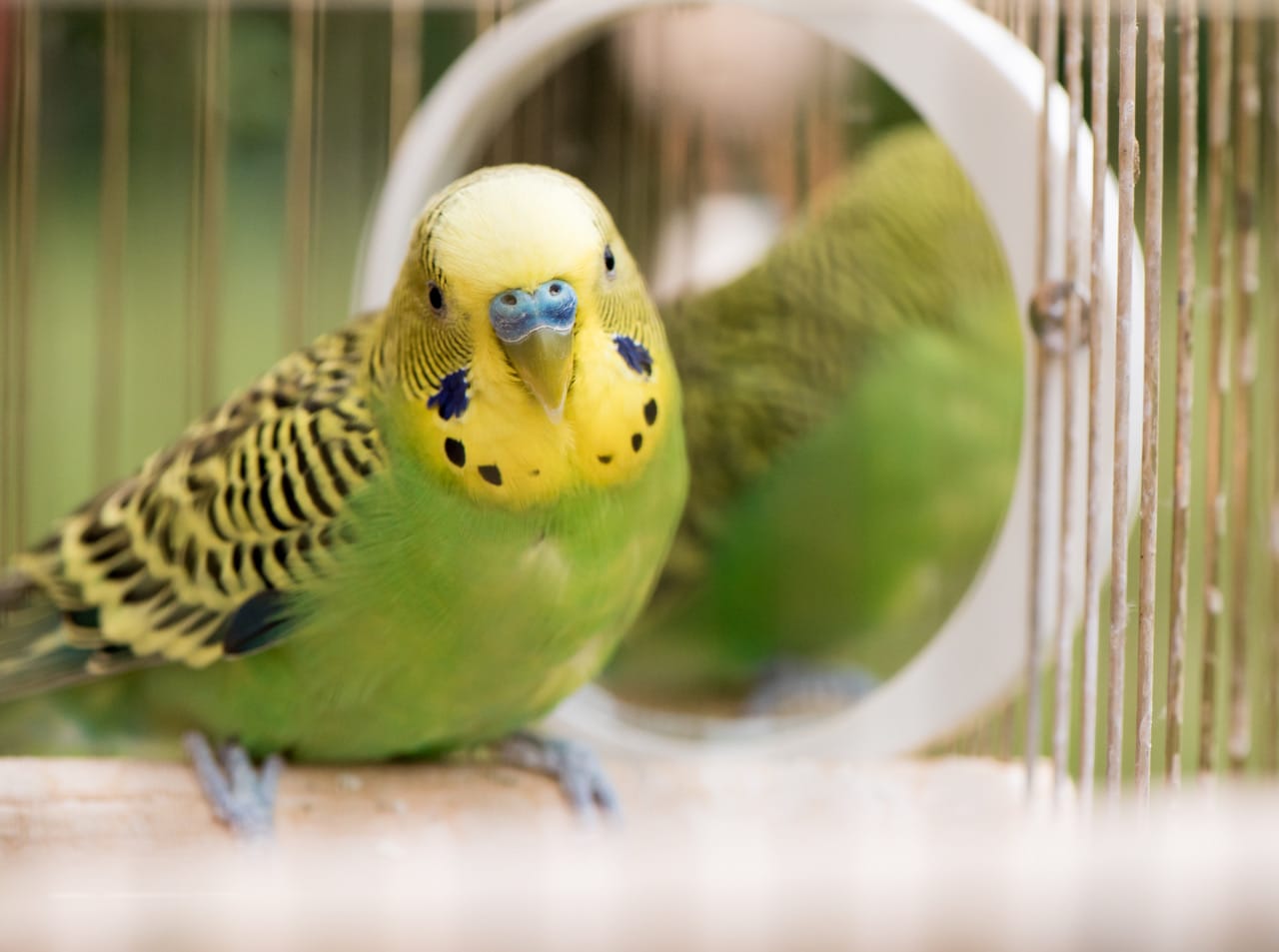
| Mirrors | Stimulate social interaction and curiosity. |
| Ladders | Encourage climbing and exercise. |
| Chew Toys | Help maintain beak health and provide mental stimulation. |
Engage your budgie with interactive play. Spend time talking and whistling to them. Allow supervised out-of-cage time for exploration. Create a safe environment for them to fly and play.
- Create a designated play area.
- Remove potential hazards.
- Ensure windows and doors are closed.
By investing in training and enrichment, you ensure a happy and healthy budgie. A happy bird makes for a delightful pet, bringing joy to your home.
Travel And Safety
Traveling with your budgie or ensuring its safety at home requires careful planning. Let’s explore some essential tips to make your budgie’s life both safe and enjoyable.
Safe Travel Tips
Traveling can be stressful for budgies. Follow these tips to keep your budgie safe:
- Use a secure travel cage with proper ventilation.
- Place the cage in a stable position in the car.
- Keep the car temperature comfortable. Avoid extreme heat or cold.
- Cover the cage with a light cloth to reduce stress.
- Carry food and water for long trips. Ensure the cage has non-spill feeders.
Household Hazards
Your home can have hidden dangers for your budgie. Here are some common household hazards to avoid:
| Hazard | Description |
|---|---|
| Open Windows | Budgies can escape through open windows. Always keep them closed. |
| Ceiling Fans | Ceiling fans can harm flying budgies. Turn them off when your budgie is out. |
| Electric Cords | Budgies may chew on cords. Hide or cover them to prevent accidents. |
| Toxic Plants | Many houseplants are toxic to budgies. Remove or keep them out of reach. |
| Non-stick Cookware | Heated non-stick cookware releases fumes harmful to budgies. Avoid using them around your bird. |
Credit: www.thomasvillevet.net
Frequently Asked Questions
How Do I Set Up A Budgie Cage?
Choose a spacious cage with horizontal bars. Include perches, toys, food, and water dishes. Clean regularly.
What Should I Feed My Budgie?
Provide a balanced diet of seeds, pellets, fruits, and vegetables. Fresh water daily is essential.
How Often Should I Clean The Budgie Cage?
Clean the cage weekly. Change the water and food dishes daily. Disinfect perches and toys regularly.
How Can I Tame My New Budgie?
Start by talking softly. Offer treats from your hand. Gradually introduce finger training sessions.
Conclusion
Caring for a budgie can be a rewarding experience. Follow these essential tips to ensure a happy, healthy bird. Remember, a well-cared-for budgie brings joy to your home. Regular interaction and proper nutrition are key. With patience and love, you will become a confident budgie owner in no time.