
13 Signs Of Good Health In A Budgie: Vital Indicators
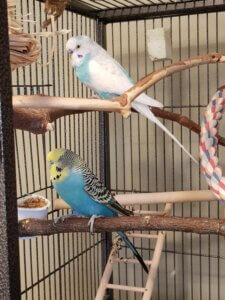
A healthy budgie shows vibrant feathers, clear eyes, and active behavior. Bright colors and smooth breathing also indicate good health.
Budgies, also known as parakeets, are popular pets due to their cheerful nature and colorful plumage. Ensuring your budgie is healthy is crucial for its happiness and longevity. Observing their physical condition and behavior helps identify signs of good health.
Healthy budgies are alert, active, and exhibit strong vocalizations. Their feathers are smooth, vibrant, and free from damage. Clear, bright eyes and clean nostrils indicate good respiratory health. A healthy budgie eats well, drinks water regularly, and maintains a steady weight. Regular preening and a clean, dry vent area are also positive health indicators. Ensuring these signs can help maintain your budgie’s overall well-being.
Bright Eyes
Bright eyes in a budgie are a clear sign of good health. Healthy budgies have eyes that stand out, showing their overall vitality. Let’s explore the key features of bright eyes in a budgie.
Clear And Sparkling
A healthy budgie has clear and sparkling eyes. Their eyes should shine without any dullness. Bright eyes show that your budgie is alert and active. If the eyes look cloudy, it may be a sign of illness.
No Discharge
Another sign of good health is no discharge from the eyes. Healthy budgies do not have any crust or moisture around their eyes. Discharge can indicate an infection or other health issue.
| Sign | Description |
|---|---|
| Clear Eyes | Eyes are bright and free of cloudiness. |
| Sparkling Eyes | Eyes shine and look lively. |
| No Discharge | Eyes have no crust, moisture, or discharge. |
- Clear eyes show your budgie is healthy.
- Sparkling eyes indicate alertness and activity.
- No discharge means no eye infections or issues.
Keep an eye on these signs to ensure your budgie is in good health. Regular checks will help you catch any problems early. Bright eyes are a key indicator of a happy, healthy budgie.
Smooth Feathers
One of the most visible signs of good health in a budgie is its feathers. Smooth, well-maintained feathers indicate that your budgie is thriving. Healthy feathers are a key factor in a bird’s overall well-being.
Glossy Appearance
Healthy budgie feathers should have a glossy appearance. This shine indicates that the bird is grooming itself regularly. Regular grooming is a sign of a happy and healthy budgie. A lack of shine could indicate poor health or stress.
No Bald Spots
A healthy budgie should not have any bald spots. Bald spots can be a sign of feather plucking, which may indicate stress or illness. Always check for consistent feather coverage. If you notice bald spots, it might be time to consult a vet.
| Signs | Indications |
|---|---|
| Glossy Feathers | Regular grooming and good health |
| No Bald Spots | Absence of stress and illness |
Active Behavior
Budgies, also known as parakeets, are lively and vibrant pets. One key indicator of a budgie’s good health is its active behavior. This includes showing energy, curiosity, and playfulness. Observing these behaviors can help ensure your budgie is thriving.
Playful And Energetic
A healthy budgie is playful and energetic. It enjoys flying around and playing with toys. Watch for hopping from perch to perch. This shows strong energy levels. If your budgie likes to play with bells, swings, and ladders, it’s a great sign. Active budgies often chirp and sing joyfully.
A playful budgie often interacts with its environment. It may engage with other budgies or humans. This social interaction shows it feels secure and happy. An energetic budgie displays a zest for life, making it a joy to watch.
Curiosity
Curiosity is a hallmark of a healthy budgie. A curious budgie explores its cage and surroundings. It will investigate new toys or changes in its environment. This behavior indicates mental stimulation and interest. A curious budgie often pecks at objects and may tilt its head to observe things.
Encouraging curiosity can be done by rotating toys regularly. Adding new elements to the cage can keep your budgie engaged. A curious and active budgie is a sign of good mental and physical health.
Below is a table summarizing the signs of active behavior in budgies:
| Sign | Description |
|---|---|
| Playful and Energetic | Enjoys flying, playing with toys, and social interaction |
| Curiosity | Explores surroundings, investigates new objects, and shows interest |

Credit: www.instagram.com
Healthy Appetite
A healthy appetite is a clear sign of a healthy budgie. Budgies should show interest in their food and eat regularly. They should enjoy a variety of foods. Let’s explore what a healthy appetite in a budgie looks like.
Regular Eating
Budgies should eat at consistent times every day. Watch for your budgie eating several times throughout the day. A budgie who eats regularly is likely healthy. Skipping meals can be a sign of illness.
Diverse Diet
A budgie with a healthy appetite will enjoy a variety of foods. Offer your budgie a mix of seeds, fruits, and vegetables. Budgies need different nutrients from different foods. A diverse diet keeps them happy and healthy.
- Fresh vegetables like carrots and spinach.
- Fruits such as apples and berries.
- Seeds and pellets for daily nutrition.
Ensure the food is fresh and clean. Remove any uneaten food daily. Clean bowls regularly to prevent bacteria growth.
Clean Beak
Observing a budgie’s beak is essential for assessing its health. A clean beak indicates a healthy budgie. Let’s explore the signs of a clean beak.
No Crusts
A healthy beak has no crusts or debris. Crusts can indicate illness. Always check your budgie’s beak for cleanliness. A clean beak is a sign of good health. If you see crusts, consult a vet.
Smooth Surface
A healthy beak has a smooth surface. It should not have cracks or rough areas. A smooth beak helps your budgie eat and groom. Feel the beak gently to check for smoothness. If it feels rough, your budgie might need care.
Steady Breathing
Budgies, also known as parakeets, are delightful and vibrant pets. One important sign of a healthy budgie is their steady breathing. Observing your budgie’s breathing can give you valuable insights into their overall health. Let’s explore the key aspects of steady breathing in budgies.
No Wheezing
A healthy budgie breathes quietly without any noise. If you hear wheezing or clicking sounds, it might indicate a respiratory problem. Wheezing can be a sign of infections, allergies, or other health issues. Always ensure your budgie’s environment is clean and free from irritants. This helps prevent respiratory problems.
Regular Rhythm
Another sign of good health in a budgie is a regular breathing rhythm. Watch your budgie’s chest to see if it moves evenly. Their breathing should be calm and consistent. If you notice rapid or shallow breaths, it might indicate stress or illness. Regular check-ups with a vet can help monitor their health.
| Signs of Healthy Breathing | Indicators of Potential Problems |
|---|---|
| No wheezing or clicking sounds | Wheezing, clicking, or labored breathing |
| Calm and consistent rhythm | Rapid, shallow, or irregular breaths |
Maintaining a clean cage and providing fresh air can support your budgie’s respiratory health. Always keep an eye on their breathing patterns. Any changes might need a vet’s attention.
Alert Posture
Observing your budgie’s posture can tell you a lot about its health. An alert posture is a strong indicator of a happy and healthy bird. In this section, we’ll discuss the key aspects of an alert posture in budgies, focusing on their upright stance and responsiveness to sounds.
Upright Stance
A healthy budgie usually maintains an upright stance. This means the bird stands tall with its head held high. The back should be straight and the body not slouched. This posture shows confidence and well-being.
Budgies with an upright stance often have bright, clear eyes. Their feathers are smooth and lie flat against their body. This stance indicates that the bird is comfortable and alert. If your budgie is slouching or hunching frequently, it might be a sign of discomfort or illness.
Responsive To Sounds
A healthy budgie is highly responsive to sounds. It will turn its head or body to locate the source of a noise. This shows that the bird is alert and engaged with its environment.
Budgies often chirp or mimic sounds they hear. This behavior indicates mental alertness and a good level of engagement. If your budgie stops reacting to sounds, it could be a sign of health issues.
Below is a table summarizing the signs of an alert posture:
| Sign | Description |
|---|---|
| Upright Stance | Standing tall with a straight back and clear eyes. |
| Responsive to Sounds | Turns head or body towards noises, chirps back. |
Well-groomed Claws
Healthy budgies have well-groomed claws. This helps them perch comfortably. Regular claw care is essential for their well-being.
Proper Length
Claws should be the right length. Too long can cause harm. Your budgie’s claws should not be too short either. Proper length helps with balance and movement.
No Overgrowth
Overgrown claws can be a problem. They can make it hard for your budgie to perch. Overgrowth can also cause pain. Regular trimming prevents these issues.
| Sign | Description |
|---|---|
| Proper Length | Claws should be neither too long nor too short. |
| No Overgrowth | Claws should not grow too long, causing discomfort. |
- Proper Length: Ensures balance and movement.
- No Overgrowth: Prevents pain and perching issues.
- Check claws regularly.
- Trim if necessary.
Keep an eye on your budgie’s claws. This helps ensure they stay healthy and happy.
Balanced Weight
Maintaining a balanced weight is crucial for your budgie’s health. A healthy weight means your budgie is neither too fat nor too thin. This ensures they can fly easily and stay active. Let’s explore the signs of a balanced weight in more detail.
No Obesity
Obesity in budgies can lead to serious health problems. Check for these signs to ensure your budgie is not overweight:
- Visible chest muscles without excess fat
- Ability to fly without getting tired quickly
- Active and playful behavior
To prevent obesity, provide a balanced diet and regular exercise. A proper diet includes seeds, fruits, and vegetables. Avoid giving too many treats. Encourage your budgie to fly and play daily.
No Emaciation
A healthy budgie should not be too thin either. Here are signs your budgie is not emaciated:
- Visible but not protruding keel bone
- Feathers covering the body evenly
- Steady weight with regular eating habits
If your budgie is too thin, it might lack essential nutrients. Ensure a balanced diet and monitor their eating habits. Consult a vet if you notice sudden weight loss.
| Healthy Weight Indicators | Signs of Obesity | Signs of Emaciation |
|---|---|---|
| Active and playful | Excess fat on chest | Protruding keel bone |
| Ability to fly easily | Gets tired quickly | Lack of energy |
| Balanced diet | Too many treats | Poor diet |

Credit: www.youtube.com
Regular Molting
Regular molting indicates a budgie’s good health. Bright, new feathers replace the old ones, showing a healthy cycle. This natural process ensures your budgie maintains vibrant plumage and optimal well-being.
Regular molting is a clear sign of a healthy budgie. Molting is the process where old feathers shed and new ones grow. It’s a natural part of a bird’s life cycle. Healthy molting shows your budgie’s system works well. Let’s explore more about this crucial health indicator.
Seasonal Shedding
Budgies usually molt once or twice a year. This seasonal shedding often happens in spring and autumn. During this time, your budgie might look a bit scruffy. Don’t worry, it’s normal. Seasonal shedding is necessary for maintaining healthy feathers.
New Feather Growth
After molting, you should see new feather growth. These new feathers are called “pin feathers.” They start as small spikes and then unfold. New feather growth is a positive sign. It means your budgie is replacing old feathers with new ones.
| Sign | Description |
|---|---|
| Seasonal Shedding | Molting occurs in spring and autumn. |
| New Feather Growth | New feathers replace the old ones. |
Regular molting is essential for your budgie’s health. It keeps their feathers strong and vibrant. Keep an eye on their molting patterns. If something seems off, consult a vet.
Social Interaction
Social interaction is a vital indicator of a budgie’s overall health. Healthy budgies are active, curious, and enjoy engaging with their surroundings. Observing their social behavior can reveal much about their well-being. Below are two key aspects of social interaction in budgies.
Engages With Owner
A healthy budgie will actively engage with its owner. Here are some signs:
- Enjoys being held or perched on your finger.
- Chirps or sings when you are nearby.
- Follows your movements with keen interest.
- Responds to your voice and mimics sounds.
If your budgie shows these behaviors, it indicates a strong bond and good health.
Interacts With Other Birds
Interaction with other birds is another sign of a healthy budgie. Watch for these behaviors:
- Plays and communicates with other budgies.
- Shares food without aggression.
- Grooms or preens fellow birds.
- Engages in synchronized flying or chirping.
These interactions show a happy and socially healthy budgie.

Credit: www.instagram.com
Clean Vent
One of the most important indicators of a healthy budgie is a clean vent. A clean vent ensures your budgie is free from infections and digestive issues. Let’s dive into the signs of a clean vent, focusing on no stains and no swelling.
No Stains
A healthy budgie’s vent should be free of stains. Stains around the vent can indicate digestive problems or infections.
Here are some signs to look for:
- No discoloration around the vent.
- Feathers near the vent are dry and clean.
Monitor your budgie’s vent regularly to ensure it remains stain-free.
No Swelling
Swelling around the vent is a bad sign. A budgie’s vent should be smooth and flat.
Check for these signs:
- No redness around the vent area.
- No bumps or lumps near the vent.
If you notice any swelling, consult a vet immediately.
Vocalization
One of the clear signs of a healthy budgie is its vocalization. Budgies are naturally talkative birds. They use sounds to communicate, express emotions, and stay entertained. Let’s explore the different aspects of vocalization in budgies.
Chirping And Singing
Healthy budgies love to chirp and sing. These sounds indicate happiness and contentment. A budgie that chirps and sings regularly is likely in good spirits. You might hear them singing more in the morning. They are most active and vocal during this time.
Varied Sounds
Budgies can produce a wide range of sounds. This includes trills, whistles, and mimicking noises. A variety of sounds shows a budgie’s mental stimulation. They might even mimic household sounds or words they hear often.
To help your budgie stay vocal, you can:
- Talk to them daily.
- Play calming music.
- Introduce new sounds.
Encouraging these behaviors can keep your budgie happy and healthy.
Frequently Asked Questions
What Are Signs Of A Healthy Budgie?
A healthy budgie is active, has bright eyes, a clean beak, and smooth feathers. It eats regularly and maintains an alert posture.
How Can I Tell If My Budgie Is Happy?
A happy budgie chirps, sings, and interacts with its environment. It also preens frequently and plays with toys.
Why Is My Budgie’s Beak Important?
A clean and smooth beak indicates good health. Discoloration or overgrowth can be signs of illness or malnutrition.
How Often Should A Budgie Eat?
Budgies should eat small amounts of food throughout the day. Consistent eating habits are a sign of good health.
Conclusion
A healthy budgie shows vibrant feathers, clear eyes, and active behavior. Regular vet check-ups ensure ongoing health. Understanding these signs helps maintain your budgie’s well-being. Observing their habits closely can reveal much about their health status. Happy, healthy budgies bring joy and companionship to any home.