The Colorful World Of Budgie Parakeets: A Comprehensive Guide
Budgie parakeets are colorful, small birds popular as pets. They are known for their vibrant feathers and playful behavior.
Budgie parakeets, also known as budgerigars, are delightful and vibrant companions for bird enthusiasts. These small, colorful birds originate from Australia and are well-loved for their playful personalities and striking plumage. Budgies are easy to care for, making them ideal pets for both beginners and experienced bird owners.
They thrive in social environments and can even learn to mimic human speech with proper training. Understanding their needs and behaviors is essential for keeping them healthy and happy. This comprehensive guide will help you explore the fascinating world of budgie parakeets, covering everything from their diet and habitat to their social interactions and health care.
Credit: www.openpr.com
Introduction To Budgie Parakeets
Budgie parakeets, also known as budgerigars or simply budgies, are small, colorful birds. They are native to Australia and have become popular pets worldwide. Known for their bright feathers and playful nature, budgies bring joy to many homes.
Brief History
Budgie parakeets were first discovered by Europeans in the late 18th century. They were brought to Europe in the 1840s and quickly gained popularity. These birds were originally green and yellow. Through selective breeding, new colors emerged, making them even more attractive.
| Year | Event |
|---|---|
| Late 18th Century | Discovery by Europeans |
| 1840s | Introduction to Europe |
| 20th Century | Development of new colors |
Popularity As Pets
Budgies are one of the most popular pet birds. They are small, easy to care for, and very social. Their ability to mimic sounds and words makes them entertaining companions. They thrive in pairs or small groups, enjoying the company of both humans and other birds.
- Small and easy to care for
- Social and friendly
- Able to mimic sounds and words
- Thrive in pairs or groups
Budgies are ideal pets for beginners and experienced bird owners alike. Their vibrant colors and cheerful personalities make them a delightful addition to any home.

Credit: www.thebudgieacademy.com
Physical Characteristics
Budgie parakeets are known for their small size and vibrant colors. They are a delight to have as pets. Let’s explore their physical features in detail.
Size And Shape
Budgies are compact birds. They typically measure about 7 inches from head to tail. They have a sleek, streamlined body. Their wings are short but strong, allowing agile flight. Their tail is long and tapered, adding to their graceful appearance. Budgies have a small, curved beak ideal for cracking seeds. Their legs are short, with zygodactyl toes, meaning two toes face forward and two face backward. This toe arrangement helps them grip branches and toys easily.
Color Variations
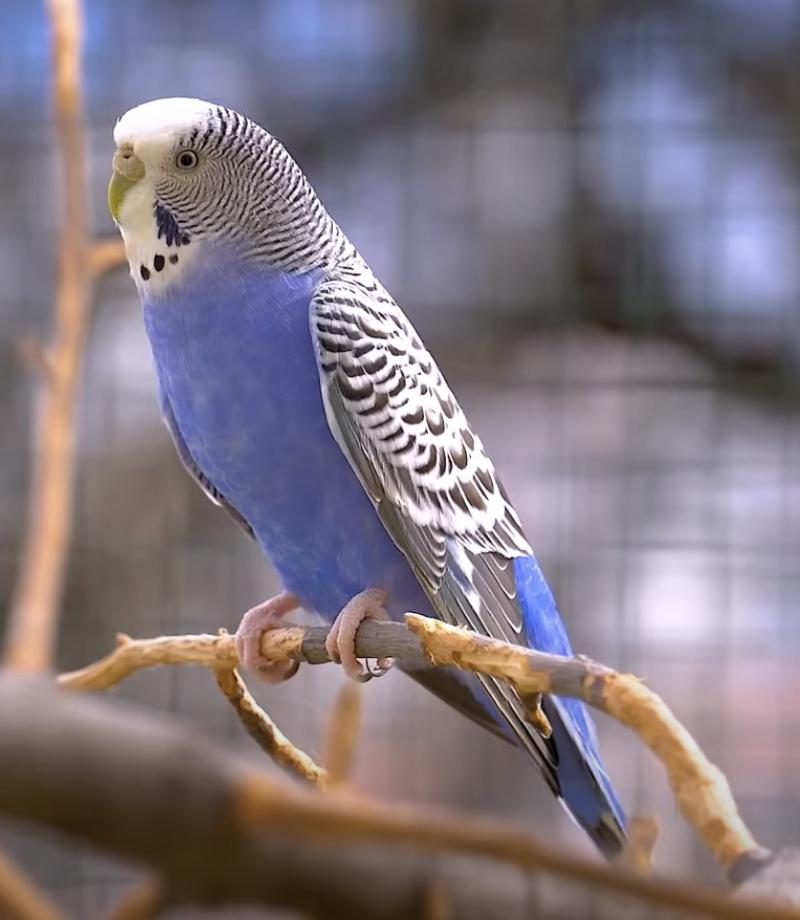
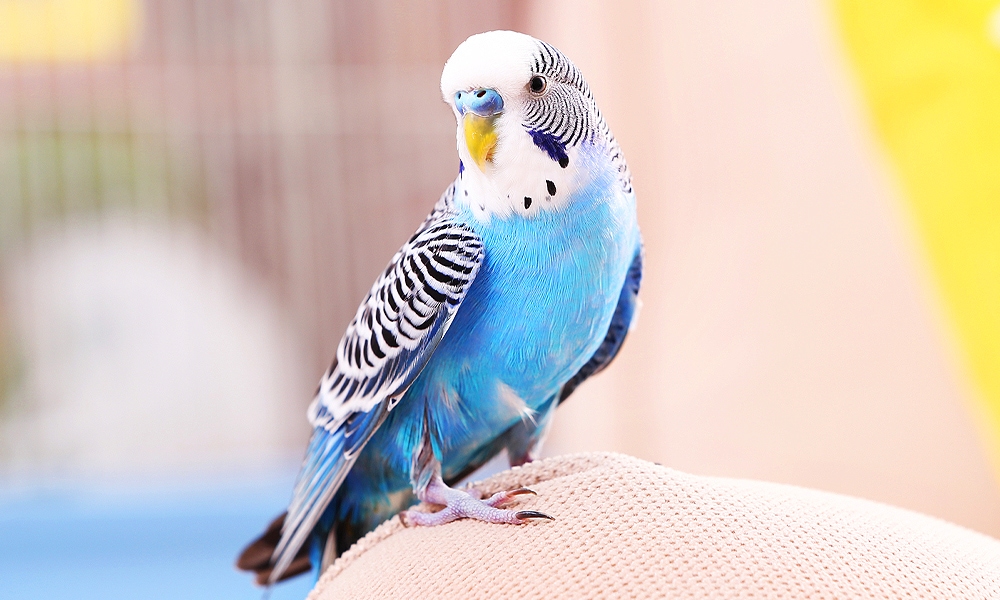
One of the most attractive features of budgies is their vivid color variations. They come in a wide range of hues:
- Green: The most common color, resembling their wild counterparts.
- Blue: A popular variation with shades ranging from light sky blue to deep cobalt.
- Yellow: Often known as “lutino,” these budgies lack the green pigment.
- White: Also called “albino,” they are pure white with red or pink eyes.
- Pied: These budgies have patches of different colors, creating a mottled look.
Budgies can also exhibit various patterns on their feathers. These include spangles, opalines, and clearwings. Each pattern adds to their unique and charming appearance.
| Color | Description |
|---|---|
| Green | Most common, resembles wild budgies. |
| Blue | Ranges from light sky blue to deep cobalt. |
| Yellow | Also known as “lutino,” lacks green pigment. |
| White | Called “albino,” pure white with red/pink eyes. |
| Pied | Mottled look with patches of different colors. |
Habitat And Living Conditions
Creating the perfect habitat for your Budgie Parakeets is crucial. They need a safe, comfortable, and stimulating environment. This ensures they stay healthy and happy. The right habitat can make all the difference in their lives.
Ideal Cage Setup
The ideal cage setup for budgie parakeets should be spacious. A large cage allows them to move freely and stretch their wings. The cage bars should be close together. This prevents them from escaping or getting stuck.
- Cage Size: Minimum dimensions should be 18x18x24 inches.
- Bar Spacing: No more than 1/2 inch apart.
- Perches: Provide natural wood perches of varying diameters.
- Toys: Include a variety of toys to keep them entertained.
- Food and Water: Ensure fresh food and water are always available.
Temperature And Lighting
Budgies thrive in a comfortable temperature range. Keep the temperature between 65-75°F. Avoid placing the cage in drafty or direct sunlight areas.
Lighting is also important. Budgies need natural light to regulate their sleep cycle. Place the cage near a window but ensure it’s not in direct sunlight all day. You can use artificial UV lights if natural light isn’t sufficient.
- Temperature Range: 65-75°F is ideal.
- Avoid Drafts: Keep the cage away from windows and doors.
- Natural Light: Position the cage near a window for natural light exposure.
- Artificial Lighting: Use UV lights to supplement natural light.
Diet And Nutrition
Ensuring your budgie parakeet has a balanced diet is crucial. Proper nutrition keeps your bird happy and healthy. Let’s explore the essential foods and foods to avoid for your feathered friend.
Essential Foods
Budgie parakeets thrive on a variety of foods. A diverse diet meets their nutritional needs. Here are some essential foods for your budgie:
- Seeds: Offer a mix of seeds like millet, oats, and canary seeds.
- Fresh Vegetables: Include carrots, broccoli, and spinach in their diet.
- Fruits: Apples, bananas, and berries make great treats.
- Pellets: High-quality pellets provide essential vitamins and minerals.
Seeds should not be the sole component of their diet. Combine them with pellets and fresh produce. Fresh water is also vital. Change it daily to prevent contamination.
Foods To Avoid
Some foods can be harmful to budgie parakeets. Avoid these to keep your bird safe:
| Food | Reason to Avoid |
|---|---|
| Avocado | Contains persin, which is toxic to birds. |
| Chocolate | Contains theobromine, which is harmful to birds. |
| Caffeine | Can cause hyperactivity and heart issues. |
| Alcohol | Can be fatal to birds. |
| Onions and Garlic | Can cause digestive problems and toxicity. |
Be cautious with processed foods and those high in salt or sugar. Stick to natural, bird-safe options. This ensures your budgie parakeet stays healthy and vibrant.
Behavior And Socialization
Budgie parakeets are lively, social creatures. They thrive on interaction and play. Understanding their behavior is key to a happy, healthy bird.
Common Behaviors
Budgies exhibit a range of behaviors. Knowing these helps in understanding their needs.
| Behavior | What it Means |
|---|---|
| Chirping | Happy and content |
| Feather Ruffling | Relaxing or stretching |
| Beak Grinding | Feeling safe and comfortable |
| Head Bobbing | Excited or seeking attention |
| Wing Stretching | Exercise or waking up |
Tips For Socializing
Budgies love to socialize. Here are some tips for better interaction.
- Spend Time Daily: Engage with your budgie every day.
- Talk to Them: Use a calm voice to talk to your budgie.
- Offer Toys: Provide various toys to keep them entertained.
- Hand Training: Teach your budgie to step on your hand.
- Positive Reinforcement: Use treats to reward good behavior.
These tips help in building a strong bond with your budgie.
Credit: worldbirds.com
Health And Wellness
Budgie parakeets are vibrant, lively birds that bring joy to many homes. Ensuring their health and wellness is essential for a happy and long life. This section delves into common health issues and preventative care strategies for your feathered friend.
Common Health Issues
Budgie parakeets can face several health problems. Knowing these issues helps in early detection and treatment.
- Respiratory infections: Symptoms include wheezing, coughing, and nasal discharge.
- Feather plucking: Often a sign of stress or skin irritation.
- Parasites: Mites and lice can infest a budgie’s feathers and skin.
- Obesity: Caused by a poor diet and lack of exercise.
- Diarrhea: Indicates digestive issues or infections.
Preventative Care
Preventative care is crucial for the health of budgie parakeets. Simple practices can keep your bird healthy and happy.
| Preventative Measure | Details |
|---|---|
| Balanced Diet | Provide a mix of seeds, fruits, and vegetables. |
| Clean Environment | Regularly clean the cage and replace old food and water. |
| Regular Exercise | Allow your budgie to fly in a safe area daily. |
| Veterinary Check-ups | Schedule annual vet visits for health monitoring. |
By understanding common health issues and implementing preventative care, you ensure your budgie parakeet lives a healthy and joyful life.
Training And Enrichment
Budgie parakeets are intelligent and social birds. They need mental and physical stimulation. Training and enrichment help keep them happy and healthy. Let’s dive into some effective methods.
Basic Training Tips
Training your budgie can be fun and rewarding. Start with simple commands like “step up” and “step down.” Use a perch or your finger for this. Follow these steps:
- Hold a treat between your fingers.
- Place your finger near the budgie’s chest.
- Say “step up” gently.
- Reward with a treat when they obey.
Repeat these steps daily. Be patient and consistent. Use positive reinforcement to encourage good behavior. Avoid yelling or punishment.
Toys And Activities
Budgies love to play. Provide a variety of toys and activities to keep them entertained. Here are some suggestions:
- Swings: Budgies enjoy swinging back and forth.
- Ladders: Great for climbing and exercise.
- Mirrors: Budgies love their own reflection.
- Chew Toys: Helps keep their beaks healthy.
- Foraging Toys: Hide treats to encourage natural foraging behavior.
Rotate toys regularly to keep things interesting. Use bird-safe materials to avoid harm. Spend time playing with your budgie daily.
| Activity | Purpose |
|---|---|
| Interactive Play | Strengthens bond with owner |
| Foraging | Encourages natural behaviors |
| Climbing | Provides physical exercise |
Remember, a happy budgie is a healthy budgie. Enrich their lives with training and fun activities.
Breeding And Genetics
Understanding the breeding and genetics of budgie parakeets is essential. These colorful birds are a joy to breed. Their genetics play a crucial role in their color and health.
Breeding Basics
Breeding budgie parakeets requires basic knowledge. Start by selecting a healthy pair. Look for active and vibrant birds. Provide a spacious cage. Ensure the cage has nesting boxes.
- Age: Choose birds over one year old.
- Diet: Offer a balanced diet with seeds and vegetables.
- Environment: Maintain a clean and quiet space.
Monitor the pair closely. They will bond and mate. The female lays eggs within 10 days. Incubation lasts about 18 days. Baby budgies hatch and grow quickly.
Understanding Genetics
Genetics determine the budgie’s colors and patterns. Each bird has genes from both parents. These genes mix to create unique traits.
| Gene Type | Impact |
|---|---|
| Dominant | Visible traits like feather color. |
| Recessive | Traits seen if both parents carry the gene. |
Breeding different color budgies can be fun. Experiment with various pairings. You might get unexpected color combinations.
- Pair a green and blue budgie.
- Observe the offspring colors.
- Record the results for future breeding.
Healthy genetics are vital. Avoid inbreeding to prevent health issues. Regularly introduce new birds to the breeding pool. This practice ensures strong genetic diversity.
Frequently Asked Questions
What Do Budgie Parakeets Eat?
Budgie parakeets primarily eat seeds, fruits, and vegetables. They enjoy millet, leafy greens, and apple slices. Ensure a balanced diet.
How Long Do Budgie Parakeets Live?
Budgie parakeets can live up to 10-15 years with proper care. A healthy diet and regular veterinary check-ups extend their lifespan.
Can Budgie Parakeets Talk?
Yes, budgie parakeets can mimic human speech. With regular training and interaction, they can learn to say simple words and phrases.
How Do I Tame My Budgie Parakeet?
Taming a budgie involves patience and gentle handling. Start by spending time near their cage and offering treats. Gradually introduce your hand.
Conclusion
Budgie parakeets bring joy and color to any home. They are easy to care for and highly social. With proper attention and love, these birds thrive. Explore this vibrant species and consider adding one to your family. Enjoy the delightful world of budgies and their charming personalities.