5 Best Wild Bird Seed Mixtures for 2026
The best wild bird seed mix depends on the birds you want to attract. Black oil sunflower seed draws chickadees, nuthatches, cardinals, and many other backyard birds. Nyjer seed works well for finches, while millet suits sparrows, doves, and juncos. No-mess blends reduce hull cleanup around feeders.
Here are five top mixes for 2026, chosen for bird appeal, feed quality, and easy upkeep.
| Wild Bird Seed Mix 10-Pound Bag |

| Best All-Around | Weight: 10 lb | Form: Seed mix | Main Seeds: Sunflower, safflower, millet | VIEW LATEST PRICE | Read Our Analysis |
| Kaytee Seed & Suet No Mess Blend Blueberry Flavor 10 Pounds |

| Best No-Mess | Weight: 10 lb | Form: Chunk blend | Main Seeds: Seeds + suet nuggets | VIEW LATEST PRICE | Read Our Analysis |
| Kaytee Cardinal Wild Bird Seed 7 lb |
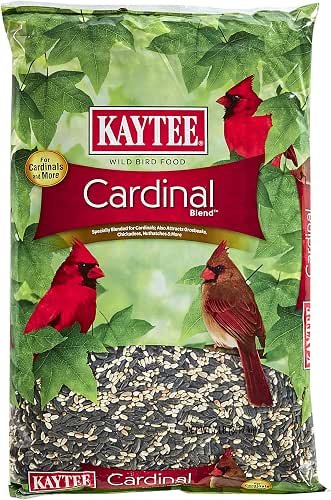
| Best For Cardinals | Weight: 7 lb | Form: Chunk blend | Main Seeds: Black oil sunflower, safflower | VIEW LATEST PRICE | Read Our Analysis |
| Happy Wings Finch Blend Bird Food (5 Pounds) |
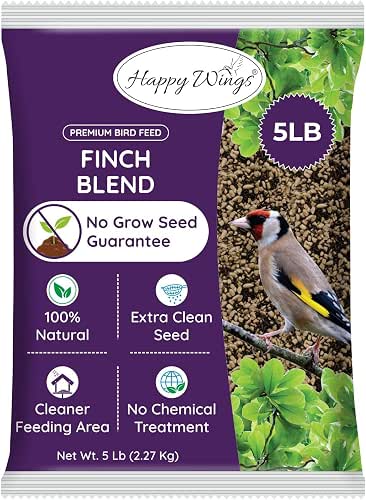
| Best For Finches | Weight: 5 lb | Form: Seed mix | Main Seeds: Sunflower hearts, nyjer | VIEW LATEST PRICE | Read Our Analysis |
| Audubon Park Waste Free Wild Bird Seed |
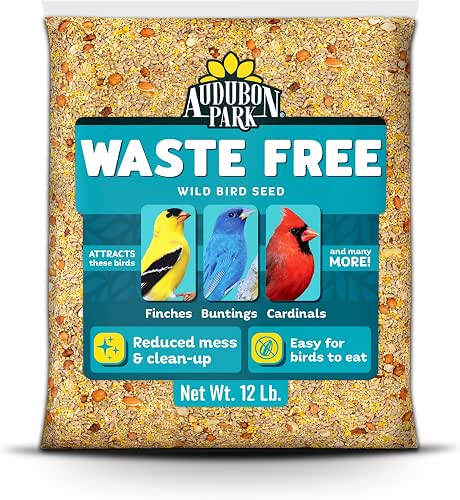
| Best Clean Feed | Weight: 12 lb | Form: Shell-free blend | Main Seeds: Sunflower hearts, sunflower chips, peanuts | VIEW LATEST PRICE | Read Our Analysis |
More Details on Our Top Picks
Wild Bird Seed Mix 10-Pound Bag
Meadow Ridge Farms’ Wild Bird Seed Mix is your best all-around pick for feeding backyard birds. You get a 10-pound bag of raw seed blend with sunflower, cracked corn, safflower, wheat, oats, and millet. That mix helps attract and feed House Sparrows, finches, juncos, chickadees, nuthatches, doves, and many more. Safflower adds extra appeal for many backyard visitors. You can use it to support birds across all life stages. The bag includes one item, ships as seed, and gives you a simple, versatile option for daily feeding.
- Weight:10 lb
- Form:Seed mix
- Main Seeds:Sunflower, safflower, millet
- Bird Target:Mixed wild birds
- Mess Level:Standard
- Feeders:General feeders
- Additional Feature:Safflower included
- Additional Feature:Attracts many species
- Additional Feature:Raw diet type
Kaytee Seed & Suet No Mess Blend Blueberry Flavor 10 Pounds
Kaytee Seed & Suet No Mess Blend Blueberry Flavor is ideal provided you want cleaner feeding and more birds. You get 10 pounds of chunk-style seeds and edible suet nuggets with a blueberry flavor that wild birds love. Use it in tube, hopper, or platform feeders outdoors, and you won’t deal with greasy hands or messy shells on the lawn. Kaytee says it can attract twice as many birds as Black Oil Sunflower and three times more woodpeckers, though results can vary. It’s plant-based, allergen-free, and suited to birds of all life stages and sizes.
- Weight:10 lb
- Form:Chunk blend
- Main Seeds:Seeds + suet nuggets
- Bird Target:Wild birds
- Mess Level:No-mess
- Feeders:Tube, hopper, platform
- Additional Feature:Blueberry flavor
- Additional Feature:100% edible blend
- Additional Feature:Two-times bird attraction
Kaytee Cardinal Wild Bird Seed 7 lb
With safflower and black oil sunflower, this 7 lb blend suits cardinals especially well. You’ll get Kaytee Cardinal Wild Bird Seed in a 7-pound bag, designed for wild bird feeding and made for all life stages. The additive-free, allergen-free mix targets cardinals, chickadees, nuthatches, and grosbeaks, while safflower’s bitter taste can help discourage squirrels. You can utilize it as a premium raw seed option for small birds, and the 112 oz package gives you plenty for regular feeding. Kaytee backs it with a satisfaction guarantee should you need support.
- Weight:7 lb
- Form:Chunk blend
- Main Seeds:Black oil sunflower, safflower
- Bird Target:Cardinals and songbirds
- Mess Level:Low-mess
- Feeders:General feeders
- Additional Feature:Cardinal blend formula
- Additional Feature:Squirrel deterrent safflower
- Additional Feature:Additive-free mix
Happy Wings Finch Blend Bird Food (5 Pounds)
Happy Wings Finch Blend Bird Food is ideal for finches and other small seed-eaters. You get a 5-pound mix of hulled sunflower hearts and nyjer seed that small-billed birds can eat easily. Its high oil, protein, and energy content supports healthy avian nutrition and active backyard visitors. Because the seeds don’t grow, you won’t deal with unwanted sprouting or extra cleanup. You can use it in tube, sock, or tray feeders made for nyjer and sunflower kernels. It’s processed in USDA-approved, BRC-GS approved facilities and meets Wild Bird Feeding Institute and FSMA standards.
- Weight:5 lb
- Form:Seed mix
- Main Seeds:Sunflower hearts, nyjer
- Bird Target:Finches and small birds
- Mess Level:No-grow
- Feeders:Tube, sock, tray
- Additional Feature:No-grow seeds
- Additional Feature:USDA-approved facility
- Additional Feature:BRC-GS certified facility
Audubon Park Waste Free Wild Bird Seed
Audubon Park Waste Free Wild Bird Seed is your go-to clean feed for tidy birdwatching spaces. You get a shell-free, no mess blend with sunflower hearts, sunflower chips, and peanut pieces for high-energy nutrition. It attracts finches, cardinals, thrushes, wrens, buntings, and more, so you can enjoy a lively mix of songbirds year-round. Use it in tube, tray, hopper, platform, or smart feeders. Should you want cleaner patios, decks, small yards, or shared spaces, this 12-pound bag helps you feed birds without leaving behind clutter or wasted shells.
- Weight:12 lb
- Form:Shell-free blend
- Main Seeds:Sunflower hearts, sunflower chips, peanuts
- Bird Target:Songbirds and backyard birds
- Mess Level:Waste-free
- Feeders:Tube, tray, hopper
- Additional Feature:Shell-free formulation
- Additional Feature:Premium high-energy nutrition
- Additional Feature:Year-round feeding
Factors to Consider When Choosing a Wild Bird Seed Mixture
I look at the bird species you want to attract, because the right wild bird seed mixture should match their tastes. I also check the seed ingredients, feeder compatibility, and how much mess the blend leaves behind so I can keep things simple and tidy. Whenever I choose, I want a mix that gives birds solid nutrition and energy while fitting my feeder and yard.
Bird Species Targeted
Upon choosing a wild bird seed mixture, I start with the species I want to attract, because different birds have clear preferences: cardinals and grosbeaks go for larger seeds like sunflower and safflower, finches prefer smaller options such as nyjer and millet, and ground-feeding birds like doves and sparrows often come in for cracked corn, millet, and wheat scattered on platform or ground feeders. I also ponder woodpeckers and nuthatches, since they’ll often visit suet-enhanced blends or chunk-style mixes with bigger pieces. Should I want more variety, I’ll choose a mixed-species blend, but I know it can reduce appeal for specialists like finches. I also weigh for season and region, since winter flocks and migrants change who’s around, and colder months call for higher-fat choices.
Seed Ingredients
As I check a wild bird seed mixture, I pay close attention to the ingredients, because each seed brings different birds and benefits. I like black oil sunflower or hulled hearts because they’re rich in fat and protein, and they draw many songbirds while giving them energy in cold weather. Should I want to limit squirrel visits, I add safflower, since cardinals and some finches accept it but many mammals don’t. For ground-feeding birds, millet and milo work well for sparrows, juncos, and doves. I also use nyjer whenever I’m targeting finches, but I need a fine-mesh feeder for it. Cracked corn and peanut pieces can attract larger birds, though I use them sparingly to avoid waste and unwanted visitors.
Mess And Cleanliness
As I choose a wild bird seed mixture, I also contemplate about how much mess it’ll make under the feeder. I like shell-free or hulled options such as sunflower hearts, chips, and peanut pieces because they cut hull litter and keep patios cleaner. Should I want to avoid greasy residue, I pick coated or no-mess sunflower kernels or safflower rather than oily seed that can leave my hands and feeder ports slick. I also consider chunk-style blends with suet nuggets, since they limit scattered debris, though I watch for crumbs that can draw rodents. No-grow mixes help me skip volunteer seedlings, and I match the seed to my feeder style so spillover stays low and cleanup stays simple.
Feeder Compatibility
Feeder compatibility is one of the initial things I check whenever I pick a wild bird seed mixture, because the seed has to fit the feeder, not just the birds I want to attract. I match small seeds and nyjer to tube or sock feeders, while hulled sunflower hearts and chips pour neatly into hopper or tray feeders. In case I’m using a platform feeder, I’ll choose larger kernels like cracked corn. For patios or decks, I prefer no-mess or shelled blends so shells don’t pile up or clog ports. Provided I’m using chunk or suet-based mixes, they also work well in hopper, platform, and pellet feeders. Should I avoid whole sunflower or oversized blends in tiny drop feeders, I always check port and tray size so smaller bills can feed comfortably.
Nutrition And Energy
As I select a wild bird seed mixture, I look at nutrition and energy initially, because different birds need different fuels at different seasons of the year. I favor high-oil seeds like sunflower hearts, safflower, and nyjer whenever birds need concentrated calories for migration or molting. I also like cracked corn and whole grains, since they give steady carbohydrates that help birds stay warm in cold weather. For muscle repair, feather growth, and breeding, I choose mixes with peanut pieces, suet, and other protein-rich ingredients. A blend with varied seed sizes and nutrient profiles works best for me because it supports insectivores and granivores alike. In winter, I lean toward calorie-dense foods; in spring and summer, I shift toward protein.
Frequently Asked Questions
How Should Wild Bird Seed Be Stored to Stay Fresh?
I keep wild bird seed in airtight containers, cool and dry, away from sunlight and pests. You should seal it tightly, like tucking treasure away, and check often for moisture, mold, or stale odors.
Can Seed Mixtures Attract Unwanted Animals?
Yes, I’ve seen seed mixtures attract squirrels, raccoons, rodents, and even bears if I leave food exposed. You can reduce that risk by using clean feeders, smaller portions, and prompt cleanup beneath them.
When Is the Best Time to Refill Bird Feeders?
I refill bird feeders at dawn or late afternoon, while birds actively forage and feeders empty fastest. I check daily, especially during cold snaps or storms, so I can keep food available consistently.
How Often Should Bird Feeders Be Cleaned?
I’d clean your bird feeders weekly, and more often after rain or heavy use. I swear they can turn into germ factories overnight. Scrub with hot, soapy water, rinse well, and dry before refilling.
Do Different Feeder Types Affect Seed Selection?
Yes, I do believe feeder type affects seed selection: tube feeders suit sunflower chips, platform feeders handle mixed seed, and nyjer feeders target finches. I match seed to feeder so waste drops and birds visit more.