8 Best Birding Cameras Under 1000 in 2026
Birding in 2026 can be done well for under $1,000. Mirrorless cameras, superzooms, and smart feeder cams all have strong options in this price range. Long lens reach matters most for distant birds. Fast autofocus and steady image quality help a lot too.
The best choice depends on whether you want still photos, video, or a simple setup.
| Canon EOS R100 Mirrorless Camera Kit |
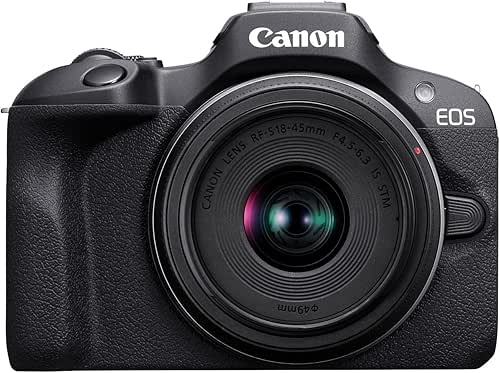
| Best For Beginners | Camera Type: Mirrorless camera | Video Resolution: 4K | Zoom: 18–45mm | VIEW LATEST PRICE | Read Our Analysis |
| Nikon COOLPIX P950 Superzoom Digital Camera (Black) |
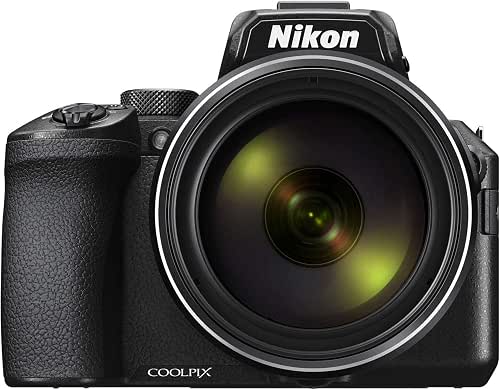
| Best Superzoom | Camera Type: Superzoom digital camera | Video Resolution: 4K UHD | Zoom: 83x optical | VIEW LATEST PRICE | Read Our Analysis |
| Panasonic LUMIX TZ/ZS99 Compact Travel Camera (DC-TZ99) |
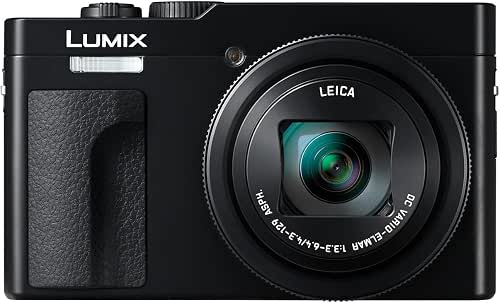
| Best Travel Pick | Camera Type: Compact travel camera | Video Resolution: 4K | Zoom: 30x optical | VIEW LATEST PRICE | Read Our Analysis |
| Smart Bird Feeder with Camera and Solar Panel |
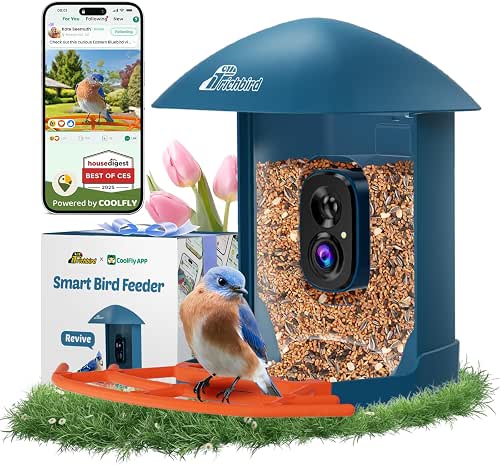
| Best Smart Feeder | Camera Type: Smart bird feeder camera | Video Resolution: 2K HD | Zoom: N/A | VIEW LATEST PRICE | Read Our Analysis |
| Panasonic LUMIX FZ80D 4K Digital Camera 60X Zoom |
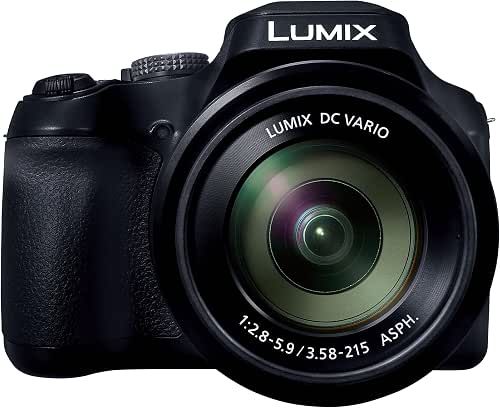
| Best Zoom Reach | Camera Type: Bridge camera | Video Resolution: 4K | Zoom: 60x optical | VIEW LATEST PRICE | Read Our Analysis |
| HARYMOR Smart Bird Feeder with Camera and AI |
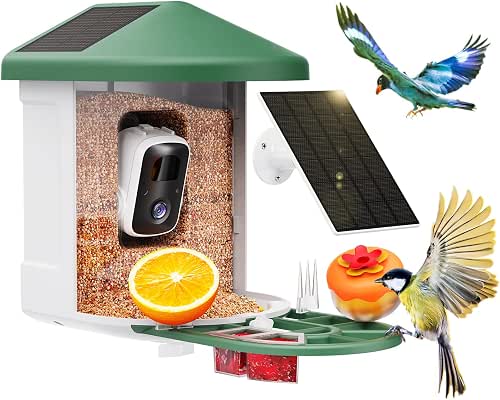
| Best AI Feeder | Camera Type: Smart bird feeder camera | Video Resolution: 2K HD | Zoom: 3X magnification | VIEW LATEST PRICE | Read Our Analysis |
| Smart Bird Feeder with Camera and Solar Charging |
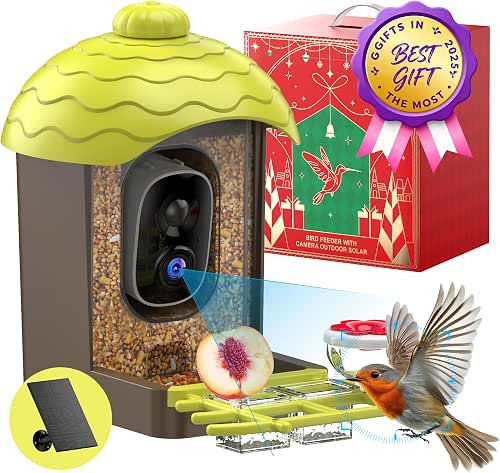
| Best Solar Feeder | Camera Type: Smart bird feeder camera | Video Resolution: 2K | Zoom: 110° lens | VIEW LATEST PRICE | Read Our Analysis |
| Hibird 4K Smart Bird Feeder Camera (Solar Powered) |

| Best 4K Feeder | Camera Type: Smart bird feeder camera | Video Resolution: 4K HD | Zoom: 4X digital | VIEW LATEST PRICE | Read Our Analysis |
More Details on Our Top Picks
Canon EOS R100 Mirrorless Camera Kit
The Canon EOS R100 helps beginners start birding with simple controls and reliable autofocus. You get a 24.1MP APS-C sensor, DIGIC 8 processing, and Dual Pixel CMOS AF with eye recognition and animal tracking, so you can lock onto birds quickly. The kit’s RF-S 18-45mm lens gives you optical stabilization and a useful zoom range for nearby subjects. You can shoot up to 6.5 fps, record 4K video, and use Wi-Fi or Bluetooth for fast sharing. Its small, light body and built-in flash make it easy to carry.
- Camera Type:Mirrorless camera
- Video Resolution:4K
- Zoom:18–45mm
- Wireless:Wi‑Fi/Bluetooth
- Stabilization:Optical IS
- AI Bird ID:Subject detect AF
- Additional Feature:143-zone Dual Pixel AF
- Additional Feature:Built-in TTL flash
- Additional Feature:RF-S 18-45mm kit lens
Nikon COOLPIX P950 Superzoom Digital Camera (Black)
Nikon’s COOLPIX P950 helps you reach distant birds with an 83x zoom and built-in Bird mode. You get a 16MP sensor, RAW support, and a max 2000 mm focal length, so you can frame tiny subjects without creeping closer. Image stabilization helps steady long shots, while scene modes simplify quick field work. The rotating LCD makes awkward angles easier, and Wi-Fi lets you share images fast. You can also shoot 4K UHD video and use Moon mode for extra versatility. It’s a practical superzoom for birding under $1000.
- Camera Type:Superzoom digital camera
- Video Resolution:4K UHD
- Zoom:83x optical
- Wireless:Wi‑Fi
- Stabilization:Image stabilization
- AI Bird ID:Bird mode
- Additional Feature:83x optical zoom
- Additional Feature:166x Dynamic Fine Zoom
- Additional Feature:Bird and Moon modes
Panasonic LUMIX TZ/ZS99 Compact Travel Camera (DC-TZ99)
Panasonic’s LUMIX TZ/ZS99 suits you provided that you want a pocketable birding camera with serious zoom. You get a 24–720mm LEICA lens, 30x optical zoom, and 60x iZoom in a compact 322-gram body. The 20.3MP 1/2.3-inch BSI CMOS sensor won’t match larger cameras, but the 5-axis HYBRID O.I.S.+ helps steady distant subjects. Hybrid AF, 30 fps bursts, and 4K Photo improve your odds whenever birds move fast. You can frame shots on the tilting touchscreen, then send them through Wi‑Fi or Bluetooth, and charge via USB-C.
- Camera Type:Compact travel camera
- Video Resolution:4K
- Zoom:30x optical
- Wireless:Wi‑Fi/Bluetooth
- Stabilization:5-Axis O.I.S.
- AI Bird ID:N/A
- Additional Feature:30x optical zoom
- Additional Feature:Tiltable touchscreen display
- Additional Feature:USB-C charging port
Smart Bird Feeder with Camera and Solar Panel
Need a hands-off way to watch birds? This smart feeder streams live HD 2K video to your phone, sends instant bird alerts, and lets you share the view with up to five users at once, or more with a subscription. You get a built-in camera, a 4400mAh battery, and a solar panel, so you won’t charge it often. It’s waterproof, snow-resistant, and heat-tolerant for year-round use. AI recognizes 10,000+ species, and Chirpchat offers free identification. Setup’s simple, refills are quick, and two-way audio helps scare squirrels away.
- Camera Type:Smart bird feeder camera
- Video Resolution:2K HD
- Zoom:N/A
- Wireless:Wi‑Fi/app
- Stabilization:N/A
- AI Bird ID:10,000+ species
- Additional Feature:4400mAh battery
- Additional Feature:2L seed container
- Additional Feature:Two-way audio
Panasonic LUMIX FZ80D 4K Digital Camera 60X Zoom
Should you want serious reach without overspending, the Panasonic LUMIX FZ80D suits birders who need distant subjects close. You get a 60x optical zoom, stretching from 20–1200mm, so you can frame tiny warblers or raptors without creeping too near. POWER O.I.S. helps you steady long shots, while the 18.1MP sensor and 4K Photo mode let you pull 8MP stills from video. Its bright electronic viewfinder helps in sunlight, and the 1cm macro focus adds close-up flexibility for feathers, insects, and field details.
- Camera Type:Bridge camera
- Video Resolution:4K
- Zoom:60x optical
- Wireless:N/A
- Stabilization:POWER O.I.S.
- AI Bird ID:N/A
- Additional Feature:60x optical zoom
- Additional Feature:Post Focus feature
- Additional Feature:2,360K-dot EVF
HARYMOR Smart Bird Feeder with Camera and AI
Provided that you want the best AI feeder for close-up birdwatching, HARYMOR’s smart feeder fits beginners and seasoned birders alike. You get AI that identifies 10,000+ bird species, while the Vicohome app subscription gives you species details and shared clips. Instant alerts send clear snapshots to your phone, so you won’t miss arrivals. The 2K HD camera, 120° lens, and 3X magnification help you study feather colors up close, day or night. A 2L seed container, IP65 waterproof funnel, solar power, and stable 2.4GHz Wi-Fi make it practical.
- Camera Type:Smart bird feeder camera
- Video Resolution:2K HD
- Zoom:3X magnification
- Wireless:2.4GHz Wi‑Fi
- Stabilization:N/A
- AI Bird ID:10,000+ species
- Additional Feature:120° wide-angle lens
- Additional Feature:2L seed container
- Additional Feature:5dBi external antenna
Smart Bird Feeder with Camera and Solar Charging
For backyard birders who want nonstop monitoring, this solar feeder stands out. You get 2K video, starlight color night vision, and a 110° lens that captures your whole garden edge. The AI tracker can follow birds in flight, while two-way audio lets you listen and speak. A 3W solar panel and 5200 mAh battery keep it running year-round, and the IP66 shell shrugs off rain. It also offers squirrel-deterring lights and sounds, hummingbird-friendly feeding, app alerts, shared access, and optional AI bird ID.
- Camera Type:Smart bird feeder camera
- Video Resolution:2K
- Zoom:110° lens
- Wireless:App-connected
- Stabilization:N/A
- AI Bird ID:10,000+ species
- Additional Feature:5200mAh battery
- Additional Feature:Starlight night vision
- Additional Feature:Squirrel-proof alarms
Hibird 4K Smart Bird Feeder Camera (Solar Powered)
Provided that you want a sharp 4K feeder cam, the Hibird makes birdwatching easy and detailed. You get 4K video at 30 fps, 6X slow motion, 4X digital zoom, and an 8MP sensor that captures 32MP stills. Its PIR sensor reacts in under 0.5 seconds, so you won’t miss quick visitors. You can stream 1080p live video through the app, share access with family, and connect over 2.4 GHz or 5 GHz Wi-Fi. The AI spotter identifies 10,000+ species, sorts images, and sends alerts. Its IP66 build, solar power, and 12-month warranty enhance value.
- Camera Type:Smart bird feeder camera
- Video Resolution:4K HD
- Zoom:4X digital
- Wireless:Dual-band Wi‑Fi
- Stabilization:N/A
- AI Bird ID:10,000+ species
- Additional Feature:Built-in 32GB memory
- Additional Feature:360° adjustable bracket
- Additional Feature:PIR trigger under 0.5s
Factors to Consider When Choosing a Birding Camera Under 1000
Whenever you’re choosing a birding camera under $1000, look initially at sensor and image quality, since sharp detail and accurate color make a big difference. You’ll also want enough zoom range and reach, plus reliable autofocus and tracking, so you can keep birds in frame as they move. In case you plan to shoot video, check stabilization too, and don’t forget portability and battery life for long days in the field.
Sensor And Image Quality
Sensor and image quality matter a lot in birding, because they determine how much detail you can pull from distant birds and difficult light. You’ll usually get better results from APS-C or 1-inch sensors than from smaller ones, since they handle low light, backlit scenes, and feather detail more gracefully. Aim for 16–24 MP on APS-C or about 20 MP on 1-inch sensors; that gives you enough room to crop without creating huge files. Choose a camera with RAW or C-RAW support, since it preserves highlight and shadow detail. Also check ISO performance around 800–3200, because you’ll often shoot there. Faster sensor readout and broad phase-detect or hybrid AF coverage can help you keep sharp images of fast, unpredictable birds.
Zoom Range And Reach
Once you’ve narrowed in on good sensor performance, the next big question is how close your camera can get to the bird without you having to crop heavily. For birding, you’ll usually want at least 300–600 mm equivalent so you can frame distant perchers cleanly. Superzooms that reach 600–2000 mm can bring tiny subjects much closer, but they often lose light and force you to work harder in dim conditions. Pay attention to sensor size, too: a 300 mm lens on APS-C gives you about 450 mm equivalent, which enhances reach without extra glass. Also weigh usable telephoto length against stabilization and shutter speed, since longer reach can blur more easily. Should you care about flight shots, don’t chase max zoom alone; keep an eye on tele-end aperture and consistency.
Autofocus And Tracking
Autofocus matters just as much as reach, because a camera that can’t lock onto a bird quickly will miss the shot even with a long lens. You’ll want phase-detection or hybrid AF with lots of points, since dozens or hundreds help you catch birds anywhere in the frame. Choose continuous or servo AF with eye, head, or subject tracking so the camera stays glued to fast, erratic motion. Check burst speed with AF active; 6 fps or more gives you a better chance of nailing wing beats and takeoffs. Don’t ignore low-light AF sensitivity, especially for dawn and dusk shooting. Finally, look for customization, like tracking sensitivity, AF area size, and pre-AF or AF lock, so you can tune response for fluttery songbirds or smooth birds in flight.
Video And Stabilization
For video, start with at least 1080p at 30–60 fps so bird movement looks smooth, and consider 4K in case you desire room to crop or pull stills from clips. Should you want wingbeat detail, look for 120 fps or more, but bear in mind that high-speed modes often cut resolution or shorten recording time. You should also prioritize optical image stabilization, whether in the lens or body, because telephoto birding magnifies shake and good stabilization can give you 2–4 stops of extra usable shutter speed. Whenever you shoot from boats or blinds, check for IBIS plus optical IS or multi-axis systems to reduce jitter and rolling shutter. Finally, confirm recording limits, cooling, and H.264/H.265 file support so long 4K sessions don’t fill cards or hit time caps.
Portability And Battery Life
After you’ve sorted out video and stabilization, the next thing to weigh is how easily the camera fits into a full day in the field. You’ll want a lightweight camera or compact system, ideally under about 800–900 g with a standard lens, so handheld tracking and long hikes don’t wear you out. Prioritize battery capacity too: pick a model with at least one removable lithium-ion battery, and plan on carrying two or three for all-day use. Look for sleep modes, efficient processors, and USB-C charging so you can top up from a power bank or solar charger. A compact bridge or mirrorless body on a monopod-friendly base can cut fatigue and enhance stability, while low standby drain and motion-trigger recording help you wait longer between sightings.
Wrap Up
So, should you’re hunting birds on a budget in 2026, you’ve somehow entered the glorious era where a “camera” could also be a feeder, a solar panel, or a tiny AI judge of your backyard wildlife. Still, for serious birding, you’ll do best with real optics, dependable autofocus, and enough reach to spot a feather from orbit. Choose wisely, because nothing says escapade like paying under $1,000 and pretending you’re not competing with a squirrel’s livestream.