5 Best Bird Feeder Tubes for 2026
Bird feeder tubes for 2026 are all about durability, easy cleanup, and steady seed flow.
Good models use weather-resistant materials, like metal tops or UV-safe plastic, to hold up outdoors. Many also include squirrel-resistant features, such as weight-activated ports or metal cages.
Clear sides help you see seed levels fast, so refills stay simple.
The best tube feeders make birdwatching easier without creating extra work.
| Perky-Pet 2-Tier Panorama Wild Bird Feeder (325SCOMBO-1SR) |

| Best Overall | Feeding Ports: 2-tier, multi-angle ports | Capacity: 4.5 lb | Hanging Design: Hanging hook included | VIEW LATEST PRICE | Read Our Analysis |
| Gbekery Metal Hanging Bird Feeder for Outdoors |
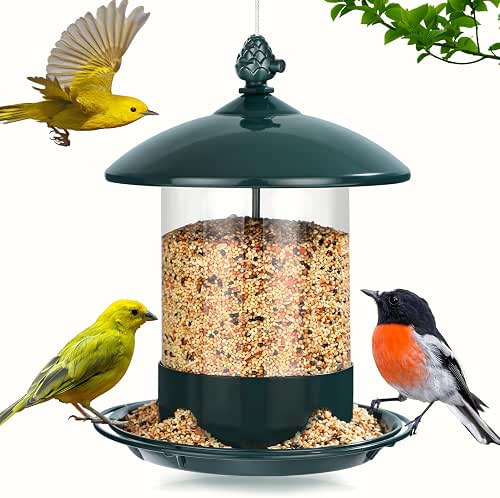
| Best Weather-Resistant | Feeding Ports: 4 feeding ports | Capacity: 2 lb | Hanging Design: Hanging feeder | VIEW LATEST PRICE | Read Our Analysis |
| 2 Pack Hanging Bird Feeder Tube Set |

| Best for Bird Watching | Feeding Ports: 6 feeding ports | Capacity: 6 cups | Hanging Design: Hanging steel hanger | VIEW LATEST PRICE | Read Our Analysis |
| Kingsyard 6-Port Tube Bird Feeder for Outdoors |
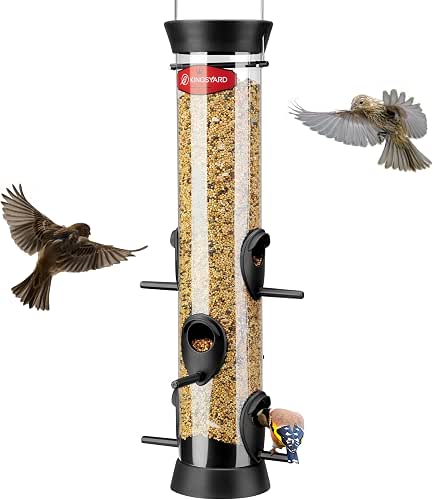
| Easiest to Clean | Feeding Ports: 6 feeding ports | Capacity: 2 lb | Hanging Design: Hanging feeder | VIEW LATEST PRICE | Read Our Analysis |
| Kingsyard Squirrel Proof Caged Bird Feeder |

| Best Squirrel Proof | Feeding Ports: 4 feeding ports | Capacity: 1.5 lb | Hanging Design: Hanging caged feeder | VIEW LATEST PRICE | Read Our Analysis |
More Details on Our Top Picks
Perky-Pet 2-Tier Panorama Wild Bird Feeder (325SCOMBO-1SR)
Should you want a versatile feeder, the Perky-Pet 2-Tier Panorama is a strong all-around pick. You get two independent seed compartments with Evenseed technology, so you can offer different seed types and keep the ports active longer. Its 4.5-pound capacity suits steady feeding, while circular perches let multiple birds eat from every angle. The patented Sure-Lock cap helps deter squirrels, and the included 12-inch hook supports up to 35 pounds. You can hang it from trees, porches, decks, fences, or shepherd’s hooks. Clean it every two weeks with mild soap and water.
- Feeding Ports:2-tier, multi-angle ports
- Capacity:4.5 lb
- Hanging Design:Hanging hook included
- Visibility:Open panorama design
- Weather Resistance:Durable outdoor build
- Squirrel Resistance:Sure-Lock cap
- Additional Feature:Two independent compartments
- Additional Feature:Evenseed technology
- Additional Feature:12-inch hanging hook
Gbekery Metal Hanging Bird Feeder for Outdoors
Should you want a weather-tough feeder that keeps seed dry, Gbekery fits the bill. You get a metal lid and tray with anti-rust coating, plus a powder-coated finish for extra protection. The thickened clear PC tube lets you check seed levels fast, and the wide-mouth opening makes refills easy. It holds up to 2 pounds of sunflower seeds or mixed grains. A 360° tray with four ports and a circular perch lets several birds feed at once. The roof, drainage holes, and slider-lock cap help block weather and squirrels. Detach it for easy cleaning.
- Feeding Ports:4 feeding ports
- Capacity:2 lb
- Hanging Design:Hanging feeder
- Visibility:Clear seed tube
- Weather Resistance:Rain/snow shield
- Squirrel Resistance:Slider-lock cap
- Additional Feature:Anti-rust metal build
- Additional Feature:Drainage holes in tray
- Additional Feature:Wide-mouth opening
2 Pack Hanging Bird Feeder Tube Set
Should you want easy bird watching, this 2-pack hanging tube feeder set fits right in. You get two red and green feeders with premium hard plastic bodies, steel hangers, and clear shells that let you track seed levels fast. Each tube holds up to 6 cups and offers six feeding ports, so several birds can feed at once. You can hang them without tools, move them anywhere, and enjoy visits from cardinals, sparrows, and more. They’re weatherproof, easy to clean, and make a thoughtful gift for nature-loving family or friends.
- Feeding Ports:6 feeding ports
- Capacity:6 cups
- Hanging Design:Hanging steel hanger
- Visibility:Transparent shell
- Weather Resistance:Weatherproof/water resistant
- Squirrel Resistance:Not specified
- Additional Feature:2-pack value set
- Additional Feature:Six ports each
- Additional Feature:Steel hanger included
Kingsyard 6-Port Tube Bird Feeder for Outdoors
Should you want a tube feeder that’s easiest to clean, Kingsyard’s 6-port model is a smart pick. You’ll appreciate the removable base, which lets you reach the bottom without tools and helps stop seed residue from building up. The enclosed seed chamber and drainage holes shield food from rain and snow, so you can use it year-round. It holds up to 2 pounds of seed, and the clear body makes checking levels simple. Six ports with perches let finches, cardinals, chickadees, and other songbirds feed at once. Hang it in your yard or beside a kitchen window.
- Feeding Ports:6 feeding ports
- Capacity:2 lb
- Hanging Design:Hanging feeder
- Visibility:Transparent seed compartment
- Weather Resistance:Drainage holes
- Squirrel Resistance:Not specified
- Additional Feature:Removable base cleaning
- Additional Feature:Easy-fill top lid
- Additional Feature:360-degree feeding access
Kingsyard Squirrel Proof Caged Bird Feeder
Kingsyard’s caged tube feeder keeps squirrels out while welcoming smaller songbirds. You’ll attract goldfinches, chickadees, and house finches with its 1.5 x 1.5-inch mesh, while the cage blocks pigeons and starlings. A wide metal roof and rain-proof lid protect seed from moisture, so it stays fresh longer. The sturdy, rust-resistant build has no chewable plastic or wood. You get four 360-degree ports, plus an extended tray for perching and catching spills. It holds 1.5 lbs of mixed seeds, sunflower seeds, peanuts, or mealworms, and it cuts waste.
- Feeding Ports:4 feeding ports
- Capacity:1.5 lb
- Hanging Design:Hanging caged feeder
- Visibility:Clear tube
- Weather Resistance:Rain-proof roof
- Squirrel Resistance:Squirrel-proof cage
- Additional Feature:1.5-inch mesh cage
- Additional Feature:Extended seed-catching tray
- Additional Feature:Rust-resistant metal cage
Factors to Consider When Choosing a Bird Feeder Tube
Upon selecting a bird feeder tube, consider seed capacity and port count so you can match how frequently you refill it with how many birds you want to feed. You’ll also want to check bird access, weather resistance, and cleaning ease, since these affect which species can use it and how well it holds up outdoors. Picking the right mix of these features helps you get more reliable, low-maintenance feeding.
Seed Capacity
Seed capacity matters because it determines how often you’ll need to refill your tube feeder and how well it matches your birds’ traffic. In case you want fewer refills, choose a larger tube, usually around 2 to 4.5 lb or 4 to 6 cups. Smaller feeders, about 1.5 lb, work well in case you prefer fresh seed or live in a humid climate where spoilage happens faster. Consider how many birds visit you and which species you attract; busy feeding spots need more room. Keep in mind that a full large feeder weighs more, so your hanger and support must hold it securely. In case you offer different seed types, pick a multi-compartment design so each seed stays separate and easy to manage.
Port Count
Port count shapes how many birds can feed at once and how much upkeep your tube feeder needs. Should you want a small flock to eat together, choose a feeder with four to six ports. That range usually gives finches and other small songbirds enough room without crowding. More ports also mean more seed can spill and you’ll refill the tube more often, so balance convenience with capacity. Arrange ports around the tube for 360° access, which lets birds feed from every side and helps cut down territorial squabbles. Match the port count to the birds you want: fewer, larger ports work for bigger species, while many small ports suit tiny feeders. A continuous circular perch can further enhance comfort and space.
Bird Access
Provided you want birds to use a tube feeder comfortably, focus on how easily they can reach the food. Choose a tube with multiple feeding ports and circular perches, ideally four to six, so several birds can feed at once and you won’t create constant competition. Match port size and perch spacing to the species you want; smaller openings and tighter perches suit finches and chickadees, while larger ones work better for cardinals and grosbeaks. Make sure the feeder offers 360° access, letting birds approach from any direction. Clear tubing and smart port placement help them spot seeds quickly without blocking one another. You should also pick a design that keeps seed flowing smoothly, because clumps at the ports can limit access and discourage feeding.
Weather Resistance
Whenever you’re choosing a tube feeder for outdoor use, weather resistance matters just as much as access. You should pick a model with a large metal or sealed roof and drainage holes so rain and snow can’t soak the seed or pool inside. Look for rust-resistant materials, plus powder-coated or anti-rust finishes, provided you want it to hold up through wet winters and humid summers. A sealed lid and thick polycarbonate tube help keep moisture out and seed fresh. You’ll also benefit from protected seed housing that limits exposure to wind and storms, especially on larger feeders that reduce refill trips. In case the feeder has removable parts, you can dry it quickly after bad weather and help prevent mold or bacterial growth.
Cleaning Ease
Cleaning your bird feeder tube should be simple, not a chore, so look for models with removable bases or snap-off parts that let you reach the inside easily for scrubbing and drying. You’ll also save time with wide-mouth or top-fill openings, since they let you pour out old seed and clean internal ports without hassle. Choose smooth polycarbonate or powder-coated metal whenever possible; these surfaces resist stains and odors better than rough plastics or untreated wood. Drainage holes and ventilated designs help moisture escape, which cuts mold growth and lowers how often you need deep cleaning. Skip feeders with lots of tiny crevices or glued seams, because trapped debris is hard to remove and can build up bacteria.
Squirrel Defense
Squirrels can empty a tube feeder fast, so choose one with a secure, lockable lid or slider-lock top that keeps them from prying in. You’ll also do better with a cage or weight-sensitive feeder that closes ports whenever a heavier animal lands, cutting theft before it starts. Pick a hanger and hook that can handle the load, and place the feeder well away from trees, fences, and roofs so squirrels can’t make an easy jump. For the best defense, size perches, trays, mesh, and port openings for small songbirds only; that limits how well larger animals can cling and reach seed. Whenever you combine smart placement with a squirrel-resistant design, you’ll save seed, reduce damage, and keep your feeder working longer.
Material Durability
Even with strong squirrel defense, a tube feeder won’t last unless the materials deteriorate quickly. Choose rust-resistant metal or powder-coated steel should you want year-round durability; untreated metal can corrode in one wet season. For the tube itself, polycarbonate or thickened plastic handles sun and impact better than thin plastic, so you’ll replace it far less often. Skip wooden parts and low-grade plastic whenever squirrels or chewers visit, because they’ll gnaw or crack those pieces fast. Check for sealed seams, reinforced caps, sturdy hardware, and securely attached perches, since weak connections usually fail initially under wind or a full load of birds. Drainage holes and a weatherproof roof also help keeping seed dry and reducing freeze-thaw stress that can warp or split components over time.
Hanging Options
Whenever it comes to hanging a tube feeder, start with a support that matches both the feeder’s weight and the space around it: a sturdy 12-inch metal hook can usually hold up to 35 lb, while a swivel or anti-twist hanger helps keep seed from spilling whenever wind or birds spin the feeder. Choose a fixed hook provided that you want simple, solid mounting, or pick a swivel design whenever your feeder tends to rotate. Make sure the hanger, chain, and clips are rust-resistant, such as powder-coated metal or stainless steel, so they hold up outdoors. Quick-release mounts let you remove the feeder promptly for cleaning and refilling. Finally, match the setup to your location—tree branch, porch beam, shepherd’s hook, or window mount—and leave enough swing clearance.
Frequently Asked Questions
How Often Should I Clean a Bird Feeder Tube?
You should clean your bird feeder tube every two weeks, and more often during wet weather or heavy use. Scrub it with hot, soapy water, rinse well, and dry it before refilling.
What Seeds Attract the Most Songbirds?
Black oil sunflower seeds attract the most songbirds. You’ll also draw finches, chickadees, and sparrows with sunflower chips, nyjer, and millet. Offer fresh, clean seed, and you’ll bring more birds to your feeder.
How Can I Prevent Mold in Bird Seed?
Keep seed dry like a desert oasis: you’ll prevent mold through filling feeders sparingly, cleaning them weekly, using fresh seed, and storing leftovers in airtight containers. Empty wet seed after rain and place feeders where air flows.
Where Should I Hang a Bird Feeder Tube?
Hang your feeder tube 5 to 10 feet from cover, near shrubs but not too close, so birds feel safe and cats cannot hide. You will also want it easy for you to refill.
Do Bird Feeder Tubes Work in Winter?
Yes, bird feeder tubes work in winter provided you keep them clean, filled, and sheltered. You will attract hungry birds, but you should watch for wet seed and frozen ports, then refresh food regularly.
Wrap Up
Choosing the right bird feeder tube is like setting the table for nature’s guests—you want it welcoming, sturdy, and safe. Whether you pick a squirrel-proof cage, a roomy two-tier design, or a simple easy-clean tube, the best option depends on your birds and your yard. In the end, a good feeder does more than hold seed; it turns your outdoor space into a daily front-row seat to life, color, and song.