5 Best Bird Cages for Small Birds in 2026
Choosing the best bird cage for a small bird starts with size, bar spacing, and easy cleaning. A roomy cage gives birds space to move, climb, and rest comfortably.
Safe spacing helps prevent escapes and injuries. Simple access doors and removable trays make daily care much easier.
This guide covers five solid picks for 2026, from sturdy rolling cages to compact travel options.
| Yaheetech 63-Inch Rolling Bird Cage for Parrots |
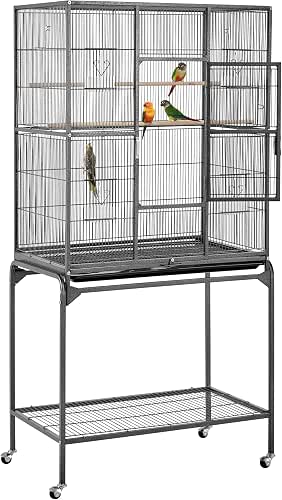
| Best Overall | Product Type: Rolling bird cage | Target Birds: Small-to-medium birds | Material: Wrought iron | VIEW LATEST PRICE | Read Our Analysis |
| Prevue Pet Parakeet Manor Bird Cage with Handle |
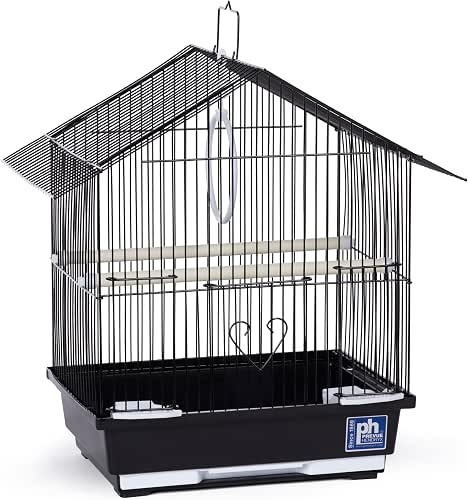
| Best for Small Birds | Product Type: Parakeet bird cage | Target Birds: Small birds | Material: Powder-coated steel | VIEW LATEST PRICE | Read Our Analysis |
| YITAHOME 62-Inch Metal Bird Cage with Stand |
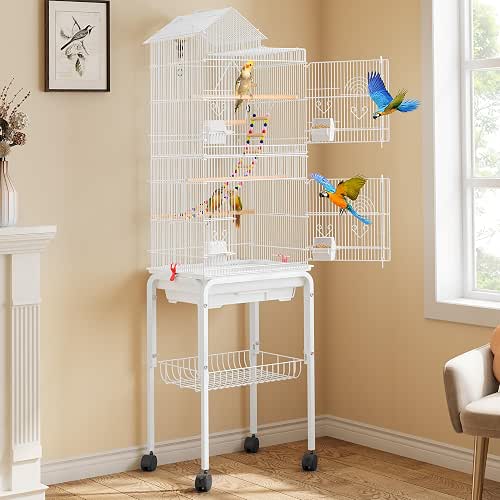
| Best with Stand | Product Type: Metal bird cage with stand | Target Birds: Small-to-medium birds | Material: Metal | VIEW LATEST PRICE | Read Our Analysis |
| Trinkrittey Bird Cage Seed Catcher Net Cover |
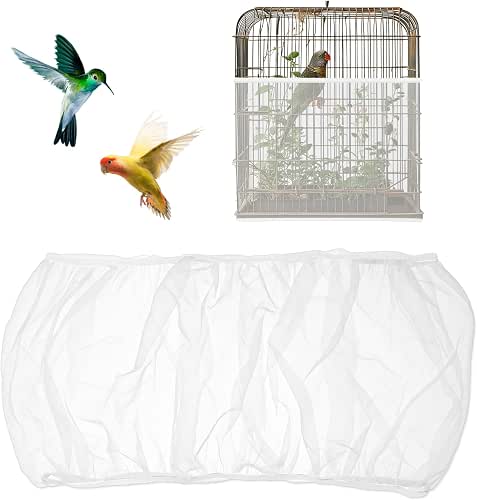
| Best Seed Catcher | Product Type: Seed catcher net cover | Target Birds: Small birds | Material: Polyester mesh | VIEW LATEST PRICE | Read Our Analysis |
| Trinkrittey Adjustable Bird Cage Seed Catcher Net Cover |

| Best Adjustable Cover | Product Type: Adjustable seed catcher net cover | Target Birds: Small birds | Material: Polyester mesh | VIEW LATEST PRICE | Read Our Analysis |
More Details on Our Top Picks
Yaheetech 63-Inch Rolling Bird Cage for Parrots
Should you want an all-around pick, Yaheetech’s 63-inch rolling cage fits small parrots beautifully. You get wrought iron construction, a hammertone black finish, and 3/8-inch bar spacing that suits parakeets, budgies, cockatiels, conures, lovebirds, and similar birds. The detachable stand rolls on 360° casters, so you can move it indoors or outdoors with ease. A wide main door, inset door, and six side doors simplify access, while four feeders and two perches come included. The slide-out tray and bottom grate make cleanup easier, and the storage shelf keeps supplies close.
- Product Type:Rolling bird cage
- Target Birds:Small-to-medium birds
- Material:Wrought iron
- Bar Spacing:3/8 inch
- Mobility:Rolling casters
- Cleaning:Slide-out tray
- Additional Feature:Detachable stand included
- Additional Feature:Under-cage storage rack
- Additional Feature:Six side access doors
Prevue Pet Parakeet Manor Bird Cage with Handle
In case you need a compact cage for parakeets, canaries, or finches, Prevue’s Parakeet Manor fits well. You get a black, powder-coated steel cage that measures 12 x 9 x 16 inches and weighs just 2.8 pounds, so you can move it easily. The 3/8-inch wire spacing suits small birds, and the built-in handle helps with short trips. You also get two bowls, two perches, a swing, and a removable tray for quick cleaning. It works as a starter, indoor, or temporary cage, and it pairs with Prevue’s hanging stand 1781.
- Product Type:Parakeet bird cage
- Target Birds:Small birds
- Material:Powder-coated steel
- Bar Spacing:3/8 inch
- Mobility:Carry handle
- Cleaning:Pull-out tray
- Additional Feature:Built-in carrying handle
- Additional Feature:Includes swing accessory
- Additional Feature:Easy assembly
YITAHOME 62-Inch Metal Bird Cage with Stand
YITAHOME’s 62-inch cage with stand suits you should you want a roomy, mobile home for small birds. You get a white metal cage measuring 17 x 14 x 62 inches, with 0.4-inch bar spacing for parakeets, budgies, cockatiels, lovebirds, and similar pets. Four front doors and two side doors make feeding and cleaning easier, while the slide-out tray and detachable grate help you stay tidy. Three perches, three pendants, and a long bridge add comfort. The rolling stand with 360-degree wheels and top handle enhances portability. It’s for indoor use, and YITAHOME includes a one-year warranty.
- Product Type:Metal bird cage with stand
- Target Birds:Small-to-medium birds
- Material:Metal
- Bar Spacing:0.4 inch
- Mobility:Rolling wheels
- Cleaning:Slide-out tray
- Additional Feature:Three perches included
- Additional Feature:Three pendants included
- Additional Feature:Hanging travel handle
Trinkrittey Bird Cage Seed Catcher Net Cover
Trinkrittey’s white mesh catcher is ideal should you want to stop seed scatter fast. You slip this elastic polyester cover over your cage in seconds, with no tools, ties, or cutting. Its 11.8-inch height and adjustable 55–71-inch girth help it fit many rectangular or square cages, but you should confirm measurements initially. The fine mesh keeps seeds off your floor while still letting air flow and light through. It’s soft, durable, water resistant, and easy to hand wash. Once you’re done, it dries quickly and stores easily.
- Product Type:Seed catcher net cover
- Target Birds:Small birds
- Material:Polyester mesh
- Bar Spacing:Not applicable
- Mobility:Fixed cover
- Cleaning:Hand wash
- Additional Feature:Elastic stretch-over fit
- Additional Feature:Fine mesh polyester
- Additional Feature:Hand wash only
Trinkrittey Adjustable Bird Cage Seed Catcher Net Cover
For small-bird owners, this adjustable cover keeps mess contained without crowding the cage. You get a soft polyester net that’s durable, flexible, and easy to store. Its fine mesh helps air flow while letting you watch your birds clearly. The 59–87 inch adjustable girth fits many cages, and the 15.7-inch height adds reliable coverage. Elastic bands hold it firmly in place, so it won’t slide around. You can slip it on fast without tools, then hand wash it and let it dry quickly. It helps stop seed scatter and supports a cleaner, more hygienic space.
- Product Type:Adjustable seed catcher net cover
- Target Birds:Small birds
- Material:Polyester mesh
- Bar Spacing:Not applicable
- Mobility:Fixed cover
- Cleaning:Hand wash
- Additional Feature:Adjustable 59–87 girth
- Additional Feature:Dust-proof performance
- Additional Feature:Quick-drying material
Factors to Consider When Choosing a Bird Cage For Small Birds
Whenever I choose a cage for a small bird, I start with size, because your bird needs room to move, perch, and stretch comfortably. I also check bar spacing, easy-clean features, and the door design so the cage stays safe and simple to maintain. In case you need to move or store it often, I’d make sure it’s lightweight and easy to handle too.
Cage Size Matters
Cage size matters more than many new bird owners realize, and I always start with looking at the floor space initially. For one small bird, I want at least 18 to 24 inches long and 12 to 18 inches deep so it can move, hop, and fly short distances comfortably. I also check the height, aiming for 16 to 24 inches so I can place two perches with enough room between them for climbing and wing-flapping. Provided I’m housing more than one bird, I increase the cage size considerably, usually adding about half again as much space per bird. I also count space for toys, food dishes, perches, and the cleaning tray, because usable room matters most inside the cage.
Bar Spacing Safety
Once I’ve got the right cage size in mind, I always check bar spacing next because the wrong gap can put a small bird at risk. For finches, canaries, budgies, and parakeets, I look for about 3/8 inch, or 9–10 mm, so heads and feet won’t slip through. I avoid cages with gaps wider than 1/2 inch, since those openings can trap a curious bird and cause injury. I also steer clear of very tight spacing under 1/4 inch, because it can cut visibility and airflow without giving typical small birds any real benefit. I measure both horizontal and vertical gaps, then I inspect the whole cage for consistency. In the event a bird is young or especially inquisitive, I choose the smaller spacing to stay safe.
Easy Cleaning Features
I also pay close attention to how easy the cage is to clean, because a simple setup saves time and helps keep my bird healthier. I look for a removable slide-out tray and a separate grate so droppings fall away from the perch and I can empty the tray without stressing my bird. Wide main doors or multiple access points let me reach perches, bars, and corners for scrubbing. I prefer powder-coated or stainless steel finishes because they resist rust and wipe down well with mild cleaners. Detachable stands or tops help me break the cage down for deep cleaning and drying. I also choose shapes with fewer tight corners and overlapping joints, since smoother geometry makes vacuuming or brushing seed hulls and waste much easier.
Access Door Design
Another detail I always check is the access door design, since it affects how easily I can clean, feed, and handle my bird. I want the main door to be wide enough, ideally 6–8 inches, so I can reach in without struggling. I also look for a smaller inset door, about 2–4 inches, because it lets me offer treats or swap feeders without opening the whole cage. Strong, escape-resistant latches matter too; flimsy closures won’t keep a clever small bird secure. In case the cage has doors on more than one side, I can feed and maintain it with less stress. I also prefer inward-opening doors or guarded feeder openings, since they help block drafts and keep spilled food inside.
Mobility And Storage
While I’m choosing a cage, I also believe about how easily it moves and stores, because that can make daily care a lot simpler. I look for a detachable stand or built-in casters so I can roll the cage for cleaning, fresh air, or a room swap without lifting. Should space change often, I like a removable stand or top handle that lets me use the cage on the floor, hang it, or carry it briefly. I also value under-cage racks or shelves for keeping supplies tidy. For transport, I choose a lightweight model with a secure handle and doors that lock firmly. I make sure the size and weight fit my space, and I prefer removable trays, grates, and stands for compact storage whenever I’m not using it.
Included Accessories
As I compare cages, I pay close attention to the included accessories because they can make daily care a lot smoother. I want at least two feeding dishes and one water dish, so I can keep food and water separate and refill them without upsetting my bird. I also look for multiple perches with different diameters and textures, like wood and rope, because they support foot health and help prevent pressure sores. Toys and swings matter too; they give my bird mental stimulation, and I like to rotate two or three at a time. I prefer cages with slide-out trays and a grate for easier cleaning, plus handy extras like a rolling stand, shelf, or seed catcher.
Material And Durability
I always check the cage material initially, because small birds produce acidic droppings that can wear down cheap metal over time. I look for powder-coated steel, wrought iron with a rust-proof finish, or stainless steel, since these materials resist corrosion far better. I also inspect bar spacing; about 3/8 inch keeps small birds safe without blocking airflow or visibility. Strong welded seams matter to me more than flimsy glued joints, because chewing can bend weak bars and create dangerous gaps. I make sure coatings are lead- and zinc-free and tough enough to resist chipping. For trays, grates, and perches, I prefer sturdy, removable parts, especially stainless slide-out trays, because they last longer and make cleaning easier.
Frequently Asked Questions
How Often Should I Clean a Small Bird Cage?
I’d clean your small bird cage daily. Droppings, spilled seed, and mystery fluff don’t deserve a squat. I deep clean it weekly, because even tiny roommates prefer hygiene over a biohazard masterpiece.
Can Small Birds Live Together in One Cage?
Yes, I’d say some small birds can live together provided they’re the same species, compatible, and have enough space. I’d still watch closely for aggression, especially during feeding, nesting, or territorial behavior.
What Cage Bar Spacing Is Safest for Finches?
I’d choose 1/2 inch bar spacing for finches because it is the sweet spot, keeping them safe from escapes and head injuries. I’d avoid wider gaps, and I’d check every cage before bringing birds home.
Do Bird Cages Need Natural Sunlight Daily?
No, I do not believe cages need direct natural sunlight daily, but I do recommend bright, indirect daylight for your birds health. I would avoid harsh sun, provide shade, and rotate safe outdoor exposure whenever possible.
Are Round Cages Bad for Small Birds?
I’d avoid round cages for small birds. I believe they can limit movement, reduce corner perching options, and feel less secure. I’d choose a spacious rectangular cage instead, with varied perches and toys.