8 Best Bird Feeder Catchers for 2026
Want less seed mess and smarter backyard feeding. The best 2026 bird feeder catchers combine sturdy materials with wide trays and clever squirrel defenses. Options include hangers, pole mounts, and window models that suit different setups. A few designs stand out for practical features that make cleanup and bird watching easier.




More Details on Our Top Picks
Kingsyard Large Platform Bird Feeder with Rain Cover
If you want a sturdy, weather-ready bird station that’s easy to enjoy year-round, the Kingsyard Large Platform Bird Feeder with Rain Cover is a smart pick. You get a recycled-plastic and metal build that resists fading, cracking, and dents better than wood. The 11-inch hexagon tray holds up to 2.5 pounds of seed, while the mesh base and drainage holes help airflow and runoff. You can raise or lower the dome to welcome bluebirds, cardinals, and goldfinches, or deter squirrels. It hangs easily on your patio, deck, or backyard.
- Mount Type:Hanging
- Drainage:Yes
- Material:Recycled plastic/metal
- Color:Green
- Seed Catching:Platform tray
- Weather Resistance:Rain/snow/sun
- Additional Feature:Adjustable dome height
- Additional Feature:2.5 lb seed capacity
- Additional Feature:Rotating squirrel deterrent
Squirrel Proof Bird Feeder with 360° Perch Tray
The squirrel-proof bird feeder with a 360° perch tray is a smart pick for anyone who wants to keep seeds for birds, not backyard raiders. Its weight-sensitive ports snap shut when a squirrel lands, so pests can’t steal a bite. The full-rotation perch helps birds feed from every angle while reducing waste and keeping the ground cleaner. A rainproof roof shields seed from weather, and the durable hanging design uses a steel cable for long-term outdoor use. You’ll also like the one-handed refill: press the roof button, slide it up, and lock it back in place.
- Mount Type:Hanging
- Drainage:Yes
- Material:Metal
- Color:Dark green
- Seed Catching:360° tray
- Weather Resistance:Rainproof
- Additional Feature:Weight-sensitive port closure
- Additional Feature:360° feeding perch
- Additional Feature:One-handed refilling
Bird Seed Catcher Tray for Hanging Feeders
Catch falling seed and husk before they hit the ground with the Bird Seed Catcher Tray Platform Feeder, a hanging tray that fits most bird feeders and doubles as a platform for backyard birds. You can mount this black metal tray under your feeder to reduce mess, slow seed loss, and keep your yard cleaner. Its open design lets you spot seed levels fast, while three drain holes help water escape. The non-reflective chains and S-hook won’t glint, so birds stay comfortable. Check feeder size first, and enjoy less waste, fewer rodents, and cleaner feeding outdoors.
- Mount Type:Hanging
- Drainage:Yes
- Material:Metal
- Color:Black
- Seed Catching:Catch tray
- Weather Resistance:Outdoor use
- Additional Feature:Universal feeder fit
- Additional Feature:Non-reflective hanging chains
- Additional Feature:Open seed visibility
Seed Buster Seed Catcher Tray – REQUIRES a BirdsUP Single Pole
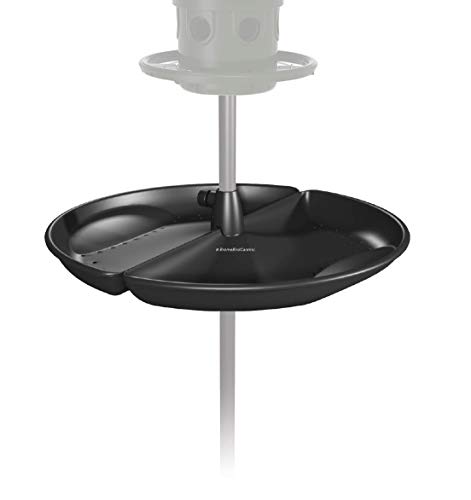
Seed Buster Seed Catcher Tray works best for birders who already use a BirdsUP single pole and want to cut down on wasted seed below a tube or platform feeder. You mount it on a 1-inch pole, and it quickly turns dropped seed into extra feeding space. The black, UV-resistant plastic tray also works for nuts or suet, and its shallow profile helps ground-feeding birds like Northern Cardinals join in. It’s lightweight, simple, and not smart-home compatible. Brome Bird Care backs it with a lifetime limited warranty and care support.
- Mount Type:Pole mount
- Drainage:Not stated
- Material:Plastic
- Color:Black
- Seed Catching:Seed tray
- Weather Resistance:UV resistant
- Additional Feature:Requires BirdsUP pole
- Additional Feature:Lifetime limited warranty
- Additional Feature:UV resistant plastic
Nature Anywhere Transparent Acrylic Window Bird Feeder
With its crystal-clear acrylic design and giant viewing hole, the Nature Anywhere Window Bird Feeder is a great pick if you want close-up bird watching from indoors without a complicated setup. You mount it with four EVERGRIP suction cups on a plain glass window, and you don’t need tools or assembly. The weatherproof polycarbonate body, sliding feed tray, and patented air circulation system help keep seed dry and refilling easy. It holds 15 ounces and suits cardinals, finches, woodpeckers, orioles, and blue jays. Keep it clear of nearby branches to reduce squirrel access.
- Mount Type:Window suction cup
- Drainage:Air circulation
- Material:Acrylic/polycarbonate
- Color:Crystal
- Seed Catching:Sliding tray
- Weather Resistance:Weatherproof
- Additional Feature:4 EVERGRIP suction cups
- Additional Feature:Giant viewing hole
- Additional Feature:Sliding feed tray
Wildpark Squirrel Proof Hanging Bird Feeder Blue
Wildpark’s blue squirrel-proof hanging bird feeder is a strong pick if you want a roomy, weather-resistant feeder that keeps seed visible and accessible for birds like cardinals, chickadees, finches, and jays. You get a metal frame, thick polycarbonate panels, and a rust-resistant powder coat that handles rain and snow well. Its triple-defense system uses adjustable springs, an inward curve, and weight-activated port closure to discourage squirrels. You can hang it with the included 15-inch rope, refill it easily, and watch seed levels through the clear sides. It holds about 5 pounds and suits many wild bird seeds.
- Mount Type:Hanging
- Drainage:Yes
- Material:Metal/polycarbonate
- Color:Blue/orange
- Seed Catching:Bottom tray
- Weather Resistance:Rust resistant
- Additional Feature:Triple defense system
- Additional Feature:Four tension settings
- Additional Feature:5-pound capacity
12.8″ Homes Garden Bird Feeder with Seed Catcher
If you want a tidy feeding station that catches fallen seed and husk, the 12.8″ Homes Garden Platform Bird Feeder is a strong pick. You get a black metal hanging tray with a 12.8″ square platform, drain holes, and a short 7.9″ chain with S-hook for easy setup. It catches most spill, helps slow feeder emptying, and keeps your yard cleaner by reducing weeds and rodent interest. The open design lets you check seed at a glance, and the anti-glint finish cuts glare. Use it as a catcher or standalone feeder for backyard birds.
- Mount Type:Hanging
- Drainage:Yes
- Material:Metal
- Color:Black
- Seed Catching:Catcher tray
- Weather Resistance:Outdoor use
- Additional Feature:7.9-inch short chain
- Additional Feature:Anti-glint hardware
- Additional Feature:Standalone platform feeder
Hanging Bird Feeder Tray with Drainage Holes
The Hanging Bird Feeder Tray with Drainage Holes is a smart pick if you want a simple way to catch spilled seed while giving birds easy access from every side. This 14-inch green tray from Grjoprt hangs with the included hook and gives you plenty of room for seed. Its open design lets birds feed from any angle, while drainage holes help keep food drier outdoors. You’ll appreciate the durable build during frequent visits and changing weather. It’s a practical catcher that can attract more species and cut back on refills in your yard.
- Mount Type:Hanging
- Drainage:Yes
- Material:High-quality material
- Color:Green
- Seed Catching:Feeder tray
- Weather Resistance:Outdoor durable
- Additional Feature:14-inch tray size
- Additional Feature:Open access from sides
- Additional Feature:Generous seed capacity
Factors to Consider When Choosing a Bird Feeder Catcher
When you choose a bird feeder catcher, look at tray size and capacity so it can hold enough seed without overflowing. You’ll also want good drainage and a mounting style that fits your feeder, plus durable materials that stand up to weather. Make sure you can clean it easily, because simple access helps keep the catcher dry and ready for birds.
Tray Size And Capacity
For most feeders, a tray around 11–14 inches across gives you enough surface area to catch spilled seed and cut down on ground waste. If you use a tube, hopper, or multiple feeders, choose a wider platform so birds have room to perch without kicking seed over the edge. Match rim height to your needs: shallow rims around 1–2 inches make seed easy to reach, while deeper rims hold more and spill less. You should also check load capacity, because the tray needs to support several birds and several pounds of seed without sagging. Lightweight metal or plastic models can work well if they feel sturdy. A larger tray also gives you more 360° feeding space, which helps keep activity comfortable and efficient.
Drainage And Dryness
After you’ve picked a tray with the right size and capacity, make sure it also keeps seed dry. Choose a catcher with multiple drainage holes or a fine mesh bottom so rainwater runs off fast and doesn’t soak the seed. A shallow center, sloped base, or raised rim helps prevent pooling after storms. You’ll also want materials that don’t absorb water, like metal or UV-stabilized plastic, because they dry quickly and stand up to freeze–thaw cycles. Open designs boost airflow, which helps seed dry after dew or light drizzle and cuts spoilage. Keep it working by tipping out debris, rinsing the tray, and checking the holes often. That routine helps maintain drainage, reduce mold, and keep seed fresh longer.
Mounting Style Fit
A bird feeder catcher should match your existing setup, so check whether it uses a hanging chain or S-hook, a pole mount, or a window-suction design before you buy. Verify the catcher’s mounting type fits your feeder and hardware, so it locks on securely and doesn’t shift. Measure the pole’s outside diameter or the tray opening size if you need a snug fit, because wobble can throw off feeding. Make sure your mounting spot has enough clearance: hanging setups need vertical room, while pole-mounted catchers need open space around them. Also, check the weight rating against a full seed load plus visiting birds. If you switch between feeders, choose an adjustable or universal design and confirm its clamp range or chain length first.
Material Durability
Choose a bird feeder catcher made from powder-coated steel or UV-stabilized plastic so it can handle sun, moisture, and everyday wear without rusting, cracking, or fading. You’ll get better long-term value from trays made with thicker gauge metal or reinforced plastic, because they resist warping when wind, weight, or curious wildlife put stress on them. Fine metal mesh or perforated bottoms help airflow and drainage, and stainless or galvanized versions usually last longest. UV-resistant plastics and powder-coated finishes also keep brittleness and discoloration at bay during long exposure. Don’t overlook corrosion-resistant hardware such as stainless steel chains, hooks, and fasteners, since weak fittings can shorten the whole unit’s life. Easy-to-replace parts give you another way to extend durability.
Easy Cleaning Access
For easy upkeep, pick a bird feeder catcher with a removable tray or hinged design so you can lift it out and rinse or scrub it without taking apart the whole feeder. You’ll save time if the catcher uses simple hooks, clips, or a one-piece lift that lets you detach and replace it with one hand during routine maintenance. Choose a model with drainage holes and a fine mesh bottom so water doesn’t pool and create mold. Smooth interior surfaces and minimal crevices help you clear out stuck debris quickly. Materials like metal or UV-resistant plastic resist staining and handle scrubbing and disinfecting better, so your catcher stays clean longer and wears less from repeated washing.
Squirrel Deterrence
To keep squirrels from turning your feeder catcher into a launch pad, look for designs with a raised or rotating dome or perch that denies them a stable foothold and makes it harder to reach hanging feeders. Weight-sensitive or spring-loaded mechanisms can close access points when heavier animals land, so small songbirds still feed while squirrels get blocked. Choose chew-resistant metal or thick UV-stabilized plastic, and prefer smooth, inward-curving edges that limit climbing and gnawing. Placement matters too: mount the catcher 10–12 feet from trees, fences, or roofs, and 5–6 feet above the ground to cut off jump routes. Modest overhangs, baffles, and few flat surfaces also reduce traction, helping you keep squirrels off the setup.
Bird Species Appeal
Different birds feed in different ways, so the best bird feeder catcher is the one that matches the species you want to attract. If you want cardinals or jays, choose a wide, open tray with low rims and roomy perches. For chickadees, nuthatches, finches, or sparrows, look for smaller ports, narrow perches, or partitioned designs that make feeding easier. Seed choice matters too: fine mesh and solid drainage work well with millet and nyjer, while larger openings suit sunflower seeds and peanuts. Also think about where you mount it. A feeder near shrubs or trees can appeal to shy woodland birds, while an open hanging catcher often draws bolder birds that forage on the ground. Match the design to the birds, and you’ll get more visits.
Weather Resistance Features
When you choose a bird feeder catcher for year-round use, pick UV-resistant plastic or powder-coated metal that won’t fade, crack, rust, or corrode. You’ll get longer service outdoors and less maintenance. Make sure the tray includes drainage holes or a fine mesh bottom so rainwater can escape and air can circulate, which helps stop mold and seed spoilage. If your feeder sits in open weather, choose a model with a fitted roof, or place it beneath a roofed feeder, to keep seed drier during rain and snow. Also check that the finish handles freeze-thaw cycles and temperature swings without becoming brittle, warping, or deforming. Finally, use weatherproof, non-reflective hardware, including chains, hooks, or suction cups, so mounting stays secure and resists corrosion, slipping, and adhesion loss.
Frequently Asked Questions
How Do I Clean a Bird Feeder Catcher Safely?
You clean it safely by removing it, wearing gloves, washing it with warm soapy water, rinsing well, drying it completely, and avoiding harsh chemicals. Disinfect if needed, then reattach it carefully.
Will a Catcher Work With Any Bird Feeder Size?
Not always; you’ll need a catcher sized to your feeder’s diameter and mounting style. You can often adjust straps or brackets, but oversized or oddly shaped feeders may need a different model.
How Often Should I Replace a Bird Feeder Catcher?
You should replace your bird feeder catcher every 1–3 years, depending on wear. For example, if you see cracks, fading, or sagging after one harsh winter, you’ll want to swap it sooner.
Can Bird Feeder Catchers Attract Pests or Mold?
Yes, you can attract pests or mold if you let seed, husks, or moisture build up. You should clean your catcher regularly, empty debris often, and keep it dry to reduce problems.
Are Bird Feeder Catchers Easy to Install Without Tools?
About 8 in 10 models clip on in minutes. You can usually install bird feeder catchers without tools by sliding, snapping, or tightening hand knobs, so you’ll save time and avoid hassle.