Adult Budgie Cere Color: Understanding Changes and Meanings
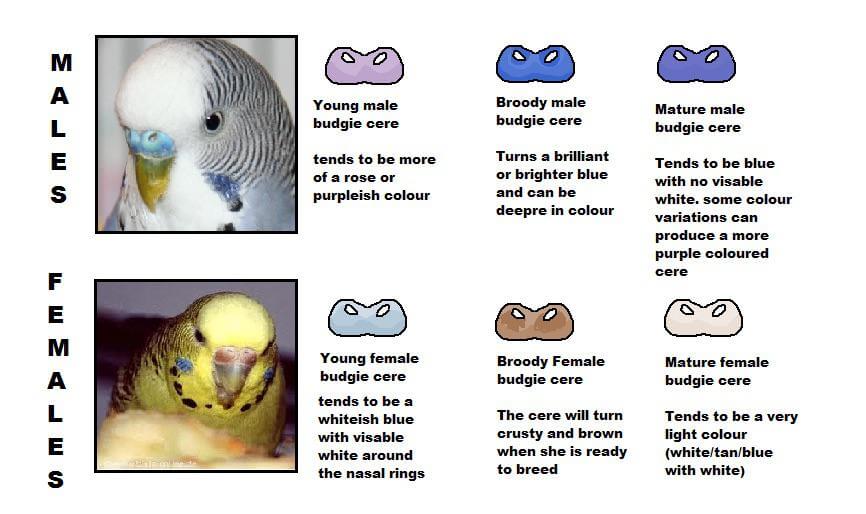
Adult budgie cere color can indicate gender. Males typically have a blue cere, while females have a brown or tan cere.
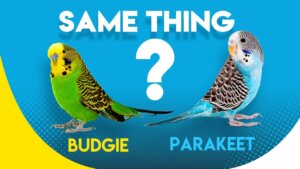
Budgies, also known as parakeets, are popular pet birds known for their vibrant colors and cheerful nature. One key aspect of budgie care is understanding their cere color, as it helps determine their gender. The cere is the fleshy area above the beak.
Knowing whether your budgie is male or female can influence care, breeding, and social interactions. Male budgies usually have a bright blue cere, while females display a brown or tan cere. Observing these color differences can help budgie owners provide better, tailored care for their feathered friends. Accurate identification ensures a healthier, happier bird.
Credit: www.reddit.com
Introduction To Budgie Cere Color
The cere of a budgie is a small area above its beak. This area can tell you a lot about the bird. The cere color changes as the bird matures. It’s a key indicator of the bird’s health and gender.
Importance Of Cere Color
The cere color helps identify the gender of your budgie. Males and females have different cere colors. This can be very helpful for breeding purposes. It’s also a good indicator of the bird’s health. Changes in cere color can signal health issues.
Common Cere Colors
Adult budgies display various cere colors. Here are the common ones:
- Blue: Typically found in adult males.
- Brown: Common in adult females, especially during breeding.
- White or light blue: Seen in young budgies and some females.
- Pink or purple: Often found in young males.
Changes in cere color can indicate health issues. Always monitor your budgie’s cere for any unusual changes.
Factors Influencing Cere Color
The cere color of adult budgies can tell you a lot. It changes based on a few important factors. Understanding these factors helps you know more about your budgie’s health and gender.
Age And Maturity
Age is a key factor in cere color. Young budgies have pink or purple ceres. As they grow older, the color changes. Mature budgies show more defined cere colors.
- Young Budgies: Pink or purple ceres.
- Adult Budgies: More distinct colors based on gender.
Gender Differences
Gender also plays a big role in cere color. Male and female budgies have different cere colors as they mature.
| Gender | Cere Color |
|---|---|
| Male | Blue or purple cere |
| Female | Brown or beige cere |
Knowing the gender helps in identifying the cere color. Males show blue or purple ceres. Females have brown or beige ceres.
Health Indicators
Understanding the health indicators of your adult budgie is crucial. One vital sign is the cere color. The cere is the fleshy area above the beak. It changes color based on the bird’s health and gender.
Signs Of Illness
A healthy cere is smooth and has a consistent color. Changes in the cere color can indicate health issues. Watch for:
- Swelling or crustiness
- Discoloration
- Lesions or sores
If you notice any of these signs, consult a vet immediately. Early detection can save your budgie’s life.
Normal Vs. Abnormal Colors
Understanding normal cere colors is essential. Male budgies usually have a blue cere. Female budgies often have a tan or brown cere. These colors are typical and indicate good health.
| Gender | Normal Cere Color | Abnormal Cere Color |
|---|---|---|
| Male | Blue | White, crusty |
| Female | Tan or Brown | Blue, swollen |
Abnormal colors can signal health issues. A male with a white cere may have a fungal infection. A female with a blue cere could be experiencing a hormonal imbalance.
Regularly check your budgie’s cere color. It’s a simple yet effective way to monitor their health. Keeping an eye on these indicators can ensure a long, healthy life for your feathered friend.
Diet And Nutrition
Diet and nutrition are crucial for budgies. A balanced diet affects their health and appearance. One key indicator of their well-being is their cere color. Let’s explore how diet impacts cere color and the essential nutrients needed.
Impact On Cere Color
A budgie’s cere color can change based on diet. Proper nutrition keeps their cere vibrant and healthy. Poor diet may lead to dull or discolored ceres.
Here’s how diet impacts cere color:
- Bright cere: Indicates a well-nourished budgie.
- Dull cere: Signals possible deficiencies.
- Discolored cere: May indicate health issues.
Essential Nutrients
Budgies need specific nutrients for optimal health. These nutrients play a vital role in maintaining a healthy cere.
| Nutrient | Importance | Sources |
|---|---|---|
| Protein | Supports feather and cere health | Seeds, legumes, cooked egg |
| Vitamins | Boosts immune system | Fruits, vegetables |
| Minerals | Maintains strong beaks and bones | Cuttlebone, mineral block |
| Omega-3 Fatty Acids | Improves skin and cere condition | Flaxseed, chia seeds |
Feeding a balanced diet ensures your budgie’s cere remains vibrant. Include a variety of seeds, fruits, and vegetables. Avoid overfeeding any single type of food.
Monitor their cere color regularly. Any drastic changes may indicate a dietary adjustment is needed.
Hormonal Changes
Adult budgies experience noticeable changes in their cere color due to hormonal fluctuations. These changes are most pronounced during specific periods and can provide insights into their health and behavior.
Breeding Season Effects
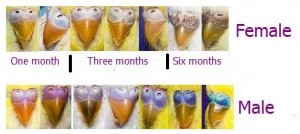
During the breeding season, male budgies typically exhibit a vibrant blue cere. This bright color signals their readiness to mate and their overall health. Female budgies, on the other hand, often show a brown and crusty cere. This change helps in identifying the gender and reproductive status of the birds.
| Budgie Gender | Breeding Season Cere Color |
|---|---|
| Male | Bright Blue |
| Female | Brown and Crusty |
Hormone Imbalances
Hormone imbalances can lead to unusual cere colors. For instance, a male budgie with a pale or brown cere may be experiencing a health issue. Similarly, a female budgie with a blue cere might have a hormone disorder. These changes can indicate the need for veterinary attention.
- Pale Cere in Males: Possible illness or hormonal issue.
- Blue Cere in Females: Hormonal imbalance or health concern.
Monitoring the cere color in adult budgies is crucial. It helps in understanding their health and hormonal status effectively.
Credit: carebirds.com
Environmental Factors
Environmental factors play a significant role in the cere color of adult budgies. These factors can affect their health and appearance. Understanding these factors can help ensure your budgie’s cere remains vibrant and healthy.
Light Exposure
Light exposure greatly influences a budgie’s cere color. Budgies need natural light to stay healthy. Without enough light, their cere color can fade or change.
Provide your budgie with at least 30 minutes of natural sunlight daily. Use full-spectrum lighting if natural sunlight is not available. This helps mimic the natural environment of budgies.
| Light Source | Exposure Time |
|---|---|
| Natural Sunlight | 30 minutes daily |
| Full-Spectrum Light | 8-10 hours daily |
Stress Levels
Stress levels can also affect the cere color of adult budgies. High stress can cause discoloration or loss of vibrancy. It is essential to keep your budgie’s environment calm and stable.
- Avoid sudden loud noises.
- Keep the cage in a quiet area.
- Introduce new elements gradually.
Regular interaction and a stable routine can help reduce stress. A happy budgie will have a healthy cere color.
Genetic Influences
Understanding the genetic influences on adult budgie cere color can be fascinating. The cere, the fleshy area above a budgie’s beak, comes in various colors. These colors are dictated by genetics. Let’s dive into how inherited traits and color variations play a role.
Inherited Traits
Budgies inherit their cere color from their parents. Genes from both parents influence the final color. Each gene carries specific instructions for cere color. For example, a blue gene might be dominant over a green gene.
Here are some key points about inherited traits:
- Dominant genes: Often show up in the offspring.
- Recessive genes: Might be hidden but can still be passed down.
- Mutations: Can lead to unique cere colors.
Understanding these traits helps predict cere color in adult budgies.
Color Variations
Adult budgie cere colors can vary widely. Common colors include blue, brown, and pink. Each color can indicate different things about the budgie.
| Cere Color | Gender | Possible Genetic Influence |
|---|---|---|
| Blue | Male | Dominant gene from father |
| Brown | Female | Recessive gene from mother |
| Pink | Juvenile | Mixed genes from both parents |
Blue ceres often indicate a male budgie. Brown ceres usually suggest a female budgie. Pink ceres are commonly seen in young budgies. Over time, these colors may change based on genetics.
By examining these color variations, you can learn more about your budgie’s genetics.
Monitoring And Care
Adult budgie cere color changes can indicate their health status. Monitoring and proper care help maintain their well-being. This section guides you on what to look for and how to care for your budgie’s cere color.
Regular Check-ups
Regular check-ups are essential for your budgie’s health. Schedule visits with an avian vet every six months. An expert can identify early signs of illness. Look for changes in cere color during these check-ups.
A healthy cere is typically bright and smooth. Any discoloration or texture change can signal a problem. Keep a record of your budgie’s cere color changes. This helps track any irregularities over time.
Maintaining Healthy Cere Color
To maintain a healthy cere color, provide a balanced diet. Ensure your budgie eats a mix of seeds, fruits, and vegetables. Fresh water should be available at all times. Nutrition plays a vital role in cere health.
Clean your budgie’s cage regularly. A clean environment reduces the risk of infections. Use bird-safe cleaning products and ensure the cage is dry before placing your budgie back.
Monitor the humidity and temperature of the room. Extreme conditions can affect your budgie’s health. Keep the room comfortable and free from drafts.
Here’s a quick checklist to maintain your budgie’s healthy cere color:
- Provide a balanced diet
- Ensure fresh water availability
- Keep the cage clean
- Monitor humidity and temperature
- Schedule regular vet check-ups

Credit: www.reddit.com
Frequently Asked Questions
What Is A Budgie’s Cere Color?
A budgie’s cere color can be blue, brown, or pink. It indicates gender and age. Adult males typically have blue ceres, while females have brown or tan ceres.
How To Tell A Budgie’s Gender By Cere?
You can tell a budgie’s gender by its cere color. Adult males have blue ceres, while adult females usually have brown or tan ceres.
Do Budgie Cere Colors Change?
Yes, budgie cere colors can change. This can happen due to age, hormonal changes, or health conditions. Monitoring cere color helps in understanding your budgie’s health and well-being.
Why Is My Budgie’s Cere Turning Brown?
A budgie’s cere turns brown due to hormonal changes. In females, it signifies maturity and readiness for breeding. If a male’s cere turns brown, seek veterinary advice.
Conclusion
Understanding your budgie’s cere color helps in identifying their gender and health. Regularly check for any changes. Keep their environment stress-free and provide a balanced diet. This ensures your feathered friend stays happy and healthy. Observing their cere color can offer valuable insights into their well-being.
Enjoy bonding with your colorful companion!