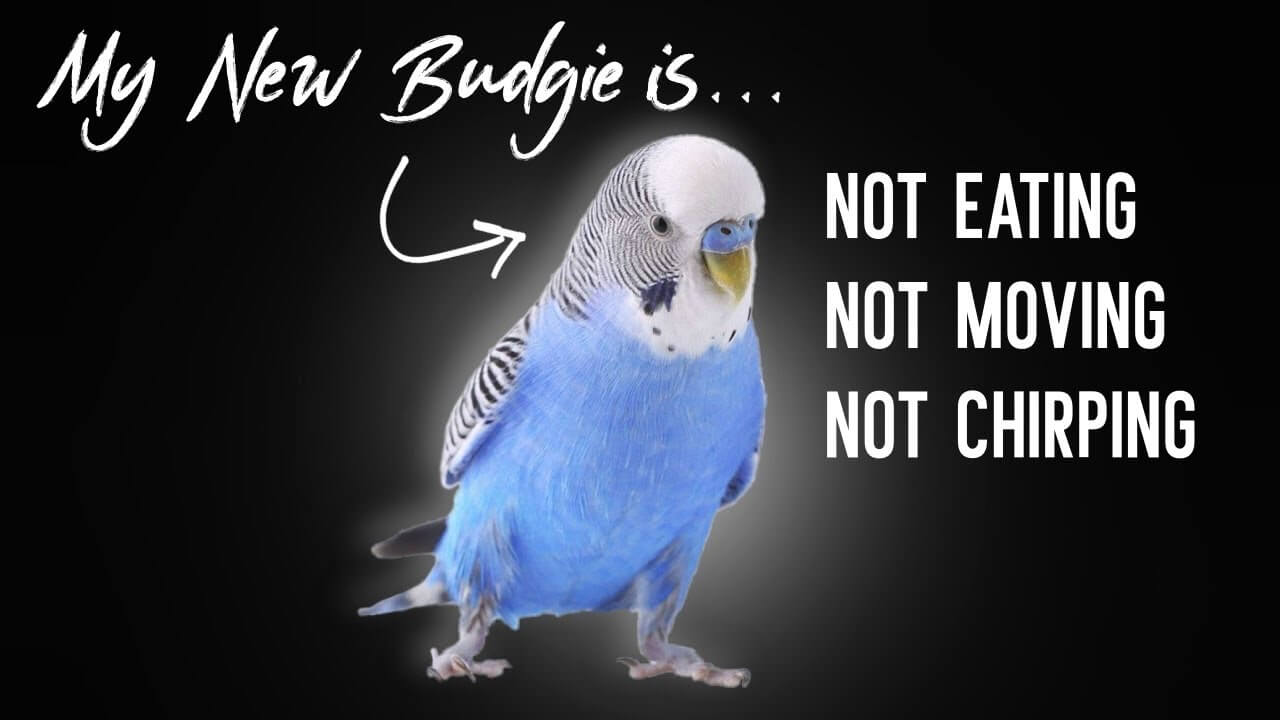
Why Has My Budgie Stopped Chirping?: Expert Insights
Your budgie may have stopped chirping due to stress, illness, or changes in its environment. Identifying the cause is crucial for its well-being.
Budgies are known for their cheerful chirping and vibrant behavior. A sudden change in their vocalization can be concerning. Stress is a common reason for a budgie to stop chirping. This stress could stem from a new environment, a change in their cage, or the loss of a companion.
Illness is another critical factor. Watch for other symptoms like lethargy or loss of appetite. Changes in their environment, like new pets or loud noises, can also make them quiet. Observing your budgie closely and maintaining a stable, comforting environment can help them regain their chirpy nature.

Credit: www.reddit.com
Common Reasons For Silence
Budgies are known for their cheerful chirping. Sometimes, they stop chirping. This can be concerning for pet owners. Understanding the reasons can help address the issue. There are several common reasons for a budgie’s silence.
Health Issues
Health problems can cause a budgie to stop chirping. These issues can range from minor to severe. Some common health problems include:
- Respiratory infections
- Nutritional deficiencies
- Injuries
Respiratory infections can make breathing difficult. This can lead to less chirping. Nutritional deficiencies can make a budgie feel weak. Injuries can cause pain and discomfort.
Environmental Changes
Changes in the environment can also affect a budgie’s behavior. Some common environmental changes include:
| Environmental Change | Impact on Budgie |
|---|---|
| New home | Budgie may feel stressed or scared |
| New cage setup | Budgie may need time to adjust |
| New pets or people | Budgie may feel threatened |
Moving to a new home can be stressful for a budgie. A new cage setup can also cause anxiety. Introducing new pets or people can make the budgie feel threatened.
Understanding these common reasons can help you address your budgie’s silence. Always observe your pet closely. This will help you identify any issues early.
Health Concerns
Budgies are lively birds known for their cheerful chirps. Sometimes, they stop chirping suddenly. This can be due to various health issues. Understanding these health concerns is essential for your budgie’s well-being.
Signs Of Illness
Recognizing signs of illness in your budgie is crucial. Here are some common indicators:
- Loss of Appetite: Your budgie refuses to eat.
- Fluffed Feathers: Constantly puffed-up feathers.
- Unusual Droppings: Changes in color or consistency.
- Labored Breathing: Heavy or noisy breathing.
- Lethargy: Less active than usual.
| Sign | Description |
|---|---|
| Loss of Appetite | Your budgie refuses to eat. |
| Fluffed Feathers | Constantly puffed-up feathers. |
| Unusual Droppings | Changes in color or consistency. |
| Labored Breathing | Heavy or noisy breathing. |
| Lethargy | Less active than usual. |
When To See A Vet
If you notice any signs of illness, consult a vet immediately. Here are some key times to seek veterinary care:
- Persistent Symptoms: Symptoms last more than 24 hours.
- Rapid Weight Loss: Noticeable drop in weight.
- Visible Injuries: Any cuts or wounds.
- Change in Behavior: Sudden, drastic changes in behavior.
- Breathing Issues: Difficulty in breathing.
Your budgie’s health is vital. Quick action can save its life. Always keep an eye on your bird’s health and behavior.
Impact Of Diet
Your budgie’s diet greatly affects its overall health and behavior. A poor diet can lead to various health problems. One of these problems is a lack of chirping. Let’s explore how nutritional deficiencies and recommended foods can impact your budgie’s chirping habits.
Nutritional Deficiencies
Budgies need a balanced diet to stay healthy and active. Nutritional deficiencies can make your budgie feel unwell. This can cause a reduction in chirping. Here are some common deficiencies that might affect your budgie:
- Vitamin A Deficiency: This can lead to respiratory issues and decreased energy.
- Calcium Deficiency: Lack of calcium can cause weak bones and lethargy.
- Protein Deficiency: Protein is crucial for muscle and feather health.
Each of these deficiencies can make your budgie less likely to chirp. Ensure your budgie gets the right nutrients to maintain its chirping behavior.
Recommended Foods
A balanced diet can help keep your budgie chirping happily. Here are some foods that are beneficial for your budgie:
| Food | Nutritional Benefit |
|---|---|
| Leafy Greens | Rich in vitamins A and K |
| Eggs | High in protein |
| Calcium Blocks | Essential for bone health |
| Carrots | Good source of vitamin A |
Incorporate these foods into your budgie’s diet to ensure they get the nutrients they need. A healthy budgie is more likely to chirp and be active.
Stress Factors
If your budgie has stopped chirping, it might be due to various stress factors. These factors can affect your bird’s mood and behavior. Understanding these can help you create a better environment for your feathered friend.
New Surroundings
Budgies can feel stressed in new surroundings. A change in their environment can cause anxiety. This includes moving to a new home or rearranging their cage. New smells, sounds, and sights can overwhelm them.
To help your budgie adjust, keep its cage in a quiet area. Gradually introduce new elements to its environment. This allows your budgie to explore and adapt at its own pace.
Interaction With Other Pets
Pets like cats and dogs can stress out your budgie. These larger animals might seem threatening. Even if they are friendly, their presence can cause anxiety.
Ensure other pets do not have access to your budgie’s cage. Supervised interaction is crucial to prevent stress. Always monitor how your budgie reacts to other pets.
Creating a safe and calm space for your budgie is vital. This helps reduce stress and encourages chirping.
Behavioral Changes
Understanding why your budgie has stopped chirping can be crucial. Behavioral changes in budgies can signal various factors. These changes might be temporary or indicate something more serious. Here, we explore the possible reasons under specific subheadings.
Mating Season
Budgies often change behavior during the mating season. They might become quieter. This is due to hormonal changes. During this time, budgies focus on finding a mate. Their need to chirp decreases. They might also show other signs such as:
- Increased preening
- Nesting behavior
- More territorial
These are natural behaviors. Ensure your budgie feels safe and comfortable.
Age And Maturity
As budgies grow older, their behavior can change. Young budgies are usually very vocal. They chirp a lot. As they mature, they might chirp less. This is a normal part of aging. Older budgies may also:
- Sleep more
- Show less interest in toys
- Become more reserved
Understanding these changes can help you care for your budgie better. Make sure they have a quiet, comfortable space to rest.

Credit: www.youtube.com
Improving Comfort
Budgies are known for their cheerful chirping. If your budgie stops chirping, improving their comfort can help. Creating the right environment is crucial for their happiness.
Optimal Cage Setup
The cage should be spacious. Budgies love to move around. Ensure there are perches of different sizes. This helps their feet stay healthy. Place the cage in a quiet area. Avoid direct sunlight and drafts.
| Item | Importance |
|---|---|
| Spacious Cage | High |
| Varied Perches | Medium |
| Quiet Location | High |
Noise Levels
Budgies are sensitive to noise. Loud sounds can scare them. Keep the noise level low around their cage. Avoid placing the cage near TVs or radios. Soft music can be calming. Talk to your budgie in a gentle voice.
- Keep noise levels low.
- Avoid loud sounds.
- Play soft music.
- Speak gently to your budgie.
Mental Stimulation
Budgies need mental stimulation to stay happy and healthy. A lack of mental stimulation can cause your budgie to stop chirping. Let’s explore some key areas to help your budgie stay engaged.
Toys And Activities
Toys are crucial for your budgie’s mental health. They keep your bird engaged and happy. Provide a variety of toys to prevent boredom. Rotate toys every week to maintain interest.
| Type of Toy | Benefit |
|---|---|
| Chew Toys | Help with beak health and prevent boredom |
| Mirrors | Offer a sense of companionship |
| Swings | Provide physical exercise and fun |
| Puzzle Toys | Enhance problem-solving skills |
Social Interaction
Budgies are social birds. They need interaction to stay happy. Spend time talking and playing with your budgie daily. If possible, consider getting a second budgie for companionship.
- Talk to your budgie often.
- Play interactive games.
- Allow your budgie to explore outside the cage.
- Introduce your budgie to new experiences.
By focusing on mental stimulation through toys and social interaction, you can help your budgie start chirping again. Keeping your budgie engaged ensures a happier, healthier pet.
When To Seek Professional Help
There are times when your budgie’s silence might signal a more serious issue. If your bird has stopped chirping for an extended period, it’s important to consider professional assistance. Recognizing the signs that necessitate expert intervention can ensure your budgie’s health and happiness.
Consulting A Specialist
If your budgie remains quiet for several days, contact a vet. A specialist can examine your bird for any physical ailments. Look for signs such as changes in appetite or droppings. These could indicate underlying health issues.
Consulting a specialist also helps in identifying mental health concerns. Budgies can experience stress or depression. An avian vet can suggest ways to improve your bird’s environment and wellbeing.
Behavioral Training
Sometimes, a budgie’s silence stems from behavioral issues. Behavioral training can help address these problems. A professional can teach you techniques to encourage chirping. Positive reinforcement often works wonders.
Incorporate toys and interactive activities into your budgie’s routine. This can stimulate their interest and promote vocalization. Make sure your bird feels safe and comfortable in its surroundings.
| Signs to Watch | Possible Solutions |
|---|---|
| Loss of appetite | Consult a vet |
| Changes in droppings | Health check-up |
| Lethargy | Environmental enrichment |
| Silent for over a week | Behavioral training |
Taking these steps can help address the reasons behind your budgie’s silence. Seek professional help if you notice any worrying signs. Your budgie’s health and happiness depend on timely intervention and care.
Credit: parrotfeather.com
Frequently Asked Questions
Why Is My Budgie Suddenly Quiet?
Your budgie may be stressed or unwell. Changes in environment or diet can also affect their chirping. It’s best to observe their behavior and consult a vet if necessary.
Can A New Environment Silence My Budgie?
Yes, new environments can stress budgies, making them quiet. Give them time to adjust and ensure they feel safe and comfortable.
Is My Budgie Sick If It Stops Chirping?
A sudden stop in chirping can indicate illness. Look for other symptoms like lethargy or changes in appetite. Consult a vet if you suspect health issues.
Do Budgies Need Interaction To Chirp?
Yes, budgies are social creatures and thrive on interaction. Lack of engagement can make them quiet. Spend time talking and playing with your budgie.
Conclusion
Understanding why your budgie has stopped chirping is crucial. Observe their behavior and seek veterinary advice. Addressing environmental factors can help. Ensuring your budgie’s happiness promotes a cheerful and chirpy companion. Remember, a happy budgie is a healthy budgie. Stay attentive to their needs for a joyful pet experience.