7 Best Food for Cockatiel Birds in 2026
The best food for cockatiel birds in 2026 is a balanced pellet-based diet with fresh vegetables and small amounts of seed.
Pellets give steady nutrition and help prevent picky eating.
Seeds work better as treats than as the main diet.
Fresh greens, carrots, and leafy vegetables add vitamins and variety.
Fruit and millet fit best in small portions, so your cockatiel stays healthy and active.
| Kaytee Forti-Diet Egg-Cite Pet Bird Food For Cockatiels 5 Pound |
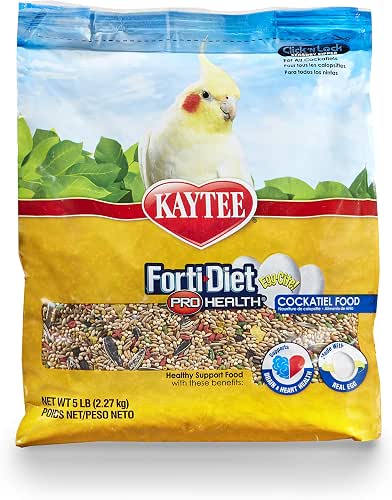
| Best Egg Formula | Product Type: Egg-based food | Bird Compatibility: Cockatiels | Package Size: 5 lb | VIEW LATEST PRICE | Read Our Analysis |
| Bird Street Bistro Parrot Food for Parakeets & Cockatiels |

| Best Natural Blend | Product Type: Prepared mix | Bird Compatibility: Parakeets/cockatiels | Package Size: Variety pack | VIEW LATEST PRICE | Read Our Analysis |
| Psittacus Mini Pellet Diet for Cockatiels and Conures |

| Best Pellet Diet | Product Type: Pellet diet | Bird Compatibility: Cockatiels/conures | Package Size: 1 lb | VIEW LATEST PRICE | Read Our Analysis |
| Wild Harvest Fruit Kabobs for Birds 6 Count |

| Best Treat | Product Type: Treat kabobs | Bird Compatibility: All birds | Package Size: 6-count | VIEW LATEST PRICE | Read Our Analysis |
| Kaytee Granola Bites with Super Foods for Birds |

| Best Superfood Mix | Product Type: Granola bites | Bird Compatibility: Multiple bird species | Package Size: 4.5 oz | VIEW LATEST PRICE | Read Our Analysis |
| Dr. Harvey’s Cockatiel Blend Daily Food (4 lb) |

| Best Premium Mix | Product Type: Daily blend | Bird Compatibility: Cockatiels | Package Size: 4 lb | VIEW LATEST PRICE | Read Our Analysis |
| Higgins Mayan Harvest Yucatan Food Mix for Birds |
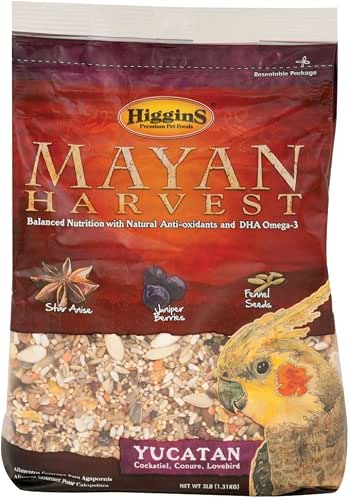
| Best Digestive Support | Product Type: Seed mix | Bird Compatibility: Cockatiels/lovebirds/conures | Package Size: 3 lb | VIEW LATEST PRICE | Read Our Analysis |
More Details on Our Top Picks
Kaytee Forti-Diet Egg-Cite Pet Bird Food For Cockatiels 5 Pound
Kaytee Forti-Diet Egg-Cite gives your cockatiel a strong egg-based formula made for everyday nourishment. You’ll get real eggs, honey, and omega-3 fatty acids in a 5-pound package that’s made for cockatiels. The high-quality protein helps support daily energy, while essential nutrients aid brain and heart health. Omega-3s also back cognitive and cardiovascular function. You can use it to help improve skin and feather condition, and it promotes bright, healthy plumage. Because it’s naturally preserved and tasty, your bird should accept it readily.
- Product Type:Egg-based food
- Bird Compatibility:Cockatiels
- Package Size:5 lb
- Main Ingredients:Egg, honey, omega-3s
- Preservatives:Naturally preserved
- Added Nutrition:Brain/heart support
- Additional Feature:Real egg protein
- Additional Feature:Omega-3 fatty acids
- Additional Feature:Enhances feather condition
Bird Street Bistro Parrot Food for Parakeets & Cockatiels
Bird Street Bistro offers a wholesome natural blend for parakeets and cockatiels. You get a 100% natural recipe with whole grains, legumes, freeze-dried fruits, air-dried vegetables, low-fat nuts, and health spices, plus coconut, Ceylon cinnamon, and blueberries. It contains no fillers, sugars, or sulfites, and it uses non-GMO fruits and vegetables. The variety pack gives you Viva La Veggies, Apple Berry, Southern Feast, and Cinna Spice Delight. You can rehydrate it in 3 to 15 minutes. Made in the USA, it also supports responsible farmers and eco-friendly packaging.
- Product Type:Prepared mix
- Bird Compatibility:Parakeets/cockatiels
- Package Size:Variety pack
- Main Ingredients:Grains, legumes, vegetables
- Preservatives:No fillers/sugars/sulfites
- Added Nutrition:Vitamin-rich
- Additional Feature:Rehydrates in minutes
- Additional Feature:Four flavor variety pack
- Additional Feature:Made in USA
Psittacus Mini Pellet Diet for Cockatiels and Conures
Psittacus Mini pellets suit cockatiels and conures that need a complete, balanced daily diet. You can feed this 450 g extruded formula to young or adult birds, including sun conures and Galah cockatoos. It’s made for maintenance periods, and you can use it as 100% of the diet, though fresh fruits and vegetables add variety. Aim for mini pellets to make up 70–80% of what you offer. You’ll get high-quality, non-GMO ingredients with no artificial coloring or synthetic antioxidants. European-made and backed over 20+ years of avian nutrition proficiency, it supports species-specific needs.
- Product Type:Pellet diet
- Bird Compatibility:Cockatiels/conures
- Package Size:1 lb
- Main Ingredients:Non-GMO pellet ingredients
- Preservatives:No artificial coloring
- Added Nutrition:Complete nutrition
- Additional Feature:Complete pellet diet
- Additional Feature:100% non-GMO
- Additional Feature:Designed for maintenance
Wild Harvest Fruit Kabobs for Birds 6 Count
Wild Harvest Fruit Kabobs make a great treat for cockatiels and other pet birds. You get a pack of 6 kabobs, and each 0.52-ounce piece gives your bird a tasty, nutritious snack. Made with real carrot, cherry, and cranberry, they add flavor and variety to your bird’s diet. You can offer them to all types of pet birds, not just cockatiels. The 100% edible skewer lets your bird enjoy every part safely. Plus, the resealable package helps keep them fresh between servings. Wild Harvest focuses on nutritional, interactive pet products.
- Product Type:Treat kabobs
- Bird Compatibility:All birds
- Package Size:6-count
- Main Ingredients:Carrot, cherry, cranberry
- Preservatives:Freshness seal
- Added Nutrition:Nutritious snack
- Additional Feature:100% edible skewer
- Additional Feature:Resealable freshness seal
- Additional Feature:Real fruit pieces
Kaytee Granola Bites with Super Foods for Birds
Kaytee Granola Bites with Super Foods Spinach and Kale is a solid superfood mix for your cockatiel. You get a premium blend of grains, seeds, fruits, and vegetables, with spinach and kale adding extra nutrition. This 4.5-ounce pack suits pet birds like cockatiels, conures, and parakeets. It’s fortified with vitamins and includes natural antioxidants to support a varied diet. Because it’s naturally preserved, you can keep freshness in mind while serving a supplemental treat. Use it to add variety, not replace your bird’s main balanced food.
- Product Type:Granola bites
- Bird Compatibility:Multiple bird species
- Package Size:4.5 oz
- Main Ingredients:Grains, seeds, spinach, kale
- Preservatives:Naturally preserved
- Added Nutrition:Fortified vitamins
- Additional Feature:Spinach and kale
- Additional Feature:Natural antioxidants
- Additional Feature:Fortified with vitamins
Dr. Harvey’s Cockatiel Blend Daily Food (4 lb)
Dr. Harvey’s Colossal Cockatiel Blend gives you an all-natural daily food for your cockatiel in a 4-pound bag. You’ll support peak health, longevity, and radiant plumage with balanced nutrition: 14% protein, 15% fat, 9% fiber, and 12% moisture. The blend packs variety with 9 fruits, 8 nuts, 8 seeds, 7 vegetables, and oat groats, so you can encourage natural foraging behavior. You won’t find chemicals, dyes, preservatives, or synthetic ingredients here. Instead, you get ultra-premium quality, proudly farmed and packaged in the USA for a wholesome, dependable daily diet.
- Product Type:Daily blend
- Bird Compatibility:Cockatiels
- Package Size:4 lb
- Main Ingredients:Fruits, nuts, seeds, vegetables
- Preservatives:No preservatives
- Added Nutrition:Guaranteed analysis
- Additional Feature:9 fruits and nuts
- Additional Feature:Promotes foraging behavior
- Additional Feature:No synthetic ingredients
Higgins Mayan Harvest Yucatan Food Mix for Birds
Higgins Mayan Harvest Yucatan Food Mix gives cockatiels digestive support with probiotics and bee pollen. You’ll also give your bird a natural seed blend with whole bee pollen, plus added vitamins, minerals, and DHA omega-3. This 3-lb mix suits cockatiels, lovebirds, and conures, so it’s a versatile pantry option. The encapsulated probiotics help maintain digestive health, while bee pollen supports immune function. You won’t find artificial colors or preservatives here, which makes it a cleaner choice. Should you desire a nutrient-rich daily mix, this formula offers solid variety and balanced support for your cockatiel.
- Product Type:Seed mix
- Bird Compatibility:Cockatiels/lovebirds/conures
- Package Size:3 lb
- Main Ingredients:Seed blend, bee pollen
- Preservatives:No artificial preservatives
- Added Nutrition:DHA/probiotics
- Additional Feature:Whole bee pollen
- Additional Feature:Encapsulated probiotics
- Additional Feature:DHA omega-3 included
Factors to Consider When Choosing Food for Cockatiel Bird
Upon choosing food for your cockatiel, you need to match its species-specific nutrition needs and look for the right protein content. You should also balance seeds and pellets, since each plays a different role in a healthy diet. Fresh ingredient quality and omega-3 support can round out the nutrition your bird needs to thrive.
Species-Specific Nutrition
Because cockatiels have unique nutritional needs, you’ll want a diet that’s moderate in protein, relatively low in fat, and balanced with essential fats, vitamins, and minerals. Aim for foods made for small psittacines, since complete pelleted or extruded diets help you avoid nutritional gaps and picky eating. Look for modest omega-3 and omega-6 levels to support feathers and heart health without adding excess oil. Your bird also needs solid amounts of vitamin A, D3, E, and B-complex vitamins, plus calcium and phosphorus in the right ratio for bones and normal metabolism. You can round out the diet with fresh vegetables, a little fruit, and safe calcium sources like cuttlebone. These species-specific choices help you match your cockatiel’s natural needs.
Protein Content
For cockatiels, protein should stay in the moderate range—about 12–18% of dry matter for everyday maintenance, feather growth, and normal metabolism. You can raise it to 18–22% during molting, growth, or breeding, but don’t keep it high for long, because excess protein can strain the kidneys and liver. Focus on quality, not just the number on the label. You want complete proteins with essential amino acids like methionine and lysine, which you’ll get from eggs, legumes, or formulated pellets. Build most of the diet around a complete pellet or balanced mix, then add fresh vegetables and only limited high-protein treats. Watch body condition, feather quality, and droppings; poor feathering, weight loss, or odd droppings can signal imbalance.
Seed Pellet Balance
A balanced cockatiel diet should be pellet-first, with pellets making up about 70–80% of daily intake and seeds kept to just 10–20% for stimulation, not as the main food. You’ll help your bird avoid selective eating by keeping seeds limited and serving pellets at every meal. Choose a pellet that provides about 12–16% protein, controlled fat, and moderate fiber so your cockatiel gets steady nutrition without excess calories. Use seeds as enhancement, not bulk, since they add flavor and fatty acids but can unbalance the diet should you overdo them. You can still offer small portions of vegetables and a little fruit, but they should supplement the pellet base. In case your bird eats mostly seeds now, shift slowly over weeks or months until pellets become the default.
Fresh Ingredient Quality
Once you’ve set a pellet-first routine, the next thing to check is ingredient quality. You should choose diets built on whole, minimally processed foods such as grains, legumes, real fruits, vegetables, and eggs. Skip products that hide behind vague “meal” or by-product labels. Look for non-GMO fresh ingredients and avoid artificial colors, flavors, sulfites, and preservatives, since these can irritate sensitive birds and lower nutrient use. You’ll also want clear nutrient sources: real egg or legumes for protein, and identifiable seeds or algae whenever omega-3s are listed. Make sure fruits and vegetables are fresh, freeze-dried, or air-dried, not heavily sugar- or salt-preserved. Finally, check packaging for resealable bags, low-heat processing, or cold-chain handling to help protect freshness and reduce rancidity.
Omega-3 Support
Omega-3 support matters because these fats help cockatiels’ brain and heart health, but they should appear only in small, species-appropriate amounts. You can look for foods that include ALA sources like flaxseed or chia, but bear in mind your bird converts them to EPA and DHA only limitedly. That means variety and moderation matter more than heavy supplementation. Keep omega-3s well below a few percent of total diet fat so you don’t add excess calories or trigger fat-related problems. These fats also support skin and feather quality, so they can help maintain sheen and ease molting whenever your cockatiel eats enough protein and a balanced diet. In the event you supplement, choose avian-safe sources and follow an avian veterinarian’s dosing guidance to avoid omega-6 imbalances or overdosing.
Added Vitamins Minerals
Whenever you choose a cockatiel food, check that it provides the vitamins and minerals your bird needs most, especially vitamin A, vitamin D3, calcium, phosphorus, and trace minerals such as zinc and selenium. You should look for a balanced formula that supports feather growth, bone strength, and healthy metabolism. Aim for a calcium-to-phosphorus ratio near 1.5–2:1, especially provided you’re feeding a growing bird or a laying female, because this helps prevent bone disease and calcium depletion. Vitamin A from beta-carotene or retinol keeps skin, mucous membranes, and breathing tissues healthy. Vitamin D3 helps your bird absorb calcium, and trace minerals like iodine and selenium support immunity, reproduction, and stress protection. Whenever fresh produce is limited, calculated supplementation can help.
Artificial Additive Free
Choosing an artificial additive free cockatiel food can help your bird stay healthier and eat more consistently. You’ll reduce exposure to synthetic colors, flavors, and preservatives that can trigger digestive upset, feather picking, or sudden food aversions. Additive-free formulas also make it easier to judge whether the food truly offers good nutrition, since dyes and flavor boosters can conceal a weak ingredient profile. Look for options without BHA, BHT, ethoxyquin, added sugars, or high-fructose ingredients, because these can raise long-term risks for obesity, fatty liver disease, hyperactivity, and liver stress. Whenever you keep the ingredient list simple, you can spot sensitivities more clearly and respond faster should your cockatiel react to a natural ingredient rather than a concealed synthetic compound.
Freshness And Preservation
Fresh food matters just as much as the ingredient list, so check the “best for” or manufacture date and use dry cockatiel food within 6–12 months for the best nutrition and taste. Choose naturally preserved or vacuum-sealed bags, and reseal them right after opening to reduce air, moisture, and pest exposure. Store food in airtight containers in a cool, dark, dry spot below 75°F/24°C, because heat and humidity speed up mold growth and fat oxidation. Before you feed your bird, inspect seeds, pellets, and treats for off-odors, discoloration, clumping, or visible mold. In case anything smells rancid or looks damp, discard it. Rotate mixes with nuts, dried fruit, or other high-fat ingredients quickly, since those items spoil faster than grains.
Frequently Asked Questions
How Often Should Cockatiels Eat Fresh Vegetables?
You should offer fresh vegetables daily, and remove leftovers after a few hours so they do not spoil. You can give small portions each morning, alongside pellets, seeds, and fresh water for balanced nutrition.
Can Cockatiels Eat Seeds Every Day?
Yes, but do not rely on them alone. You can offer seeds daily, yet they should make up only a small part of your cockatiel’s diet. You will keep birds healthier with pellets, vegetables, and occasional treats.
What Foods Are Toxic to Cockatiels?
You should avoid avocado, chocolate, caffeine, alcohol, onion, garlic, xylitol, and salty or sugary foods; they are toxic to your cockatiel. You will keep your bird safer by offering fresh, bird safe foods only.
How Do I Switch a Cockatiel to Pellets?
Start initially mixing 10% pellets into your cockatiel’s usual food, then increase gradually over 2 to 4 weeks; many birds need patience. Weigh meals, offer pellets initially, and praise every bite you see.
Do Cockatiels Need Calcium Supplements?
Yes, you might need calcium supplements in case your cockatiel lays eggs, is breeding, or eats a low calcium diet. You should ask an avian vet initially, since too much calcium can also cause problems.
Wrap Up
Choosing the right food for your cockatiel can make all the difference in its health and happiness. You’ll want to mix quality pellets, wholesome blends, and the occasional treat to keep mealtime exciting. Whenever you pick from these top foods, you’re giving your bird a balanced diet that helps it thrive. Don’t put all your eggs in one basket—variety matters. With the right choices, you’ll keep your cockatiel singing, energetic, and full of life.