7 Best Binoculars for Bird Watching in 2026
The best binoculars for bird watching in 2026 give you clear views, fast focus, and a comfortable grip. Some are great for short backyard sessions, while others work better for long days on the trail or scanning distant hawks. You’ll find solid choices in 8×42, zoom, and waterproof models built for different birding habits. A smart pick comes down to view quality, weight, and how you like to watch birds.
| 10-30×50 Zoom Binoculars for Adults BAK4 FMC Lens |
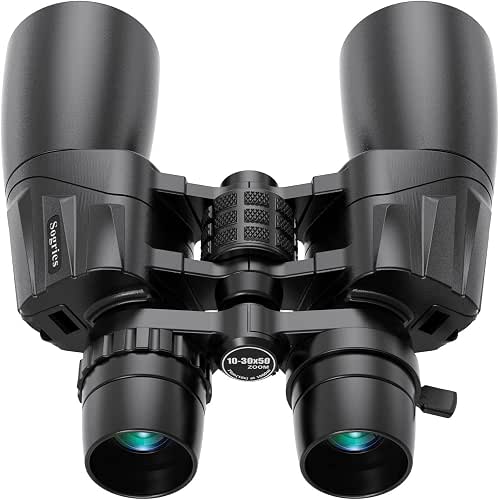
| Best Zoom Range | Magnification: 10–30x zoom | Objective Lens: 50 mm | Prism Type: BAK4 prisms | VIEW LATEST PRICE | Read Our Analysis |
| 20×70 High Powered Binoculars for Adults |
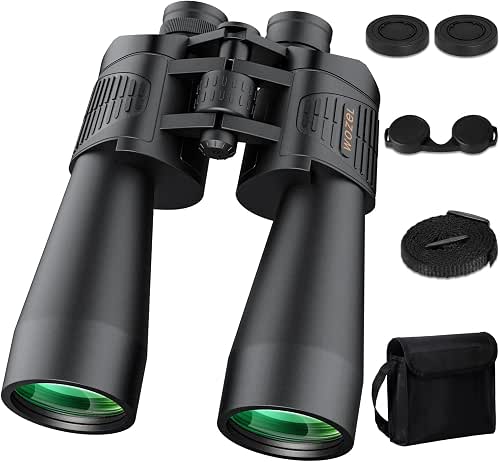
| Best Budget Power | Magnification: 20x | Objective Lens: 70 mm | Prism Type: BAK4 roof prism | VIEW LATEST PRICE | Read Our Analysis |
| Celestron Nature DX ED 8×42 Premium Binoculars |

| Best Premium | Magnification: 8x | Objective Lens: 42 mm | Prism Type: BaK-4 roof prisms | VIEW LATEST PRICE | Read Our Analysis |
| 18×50 Professional Binoculars with Phone Adapter and Tripod |
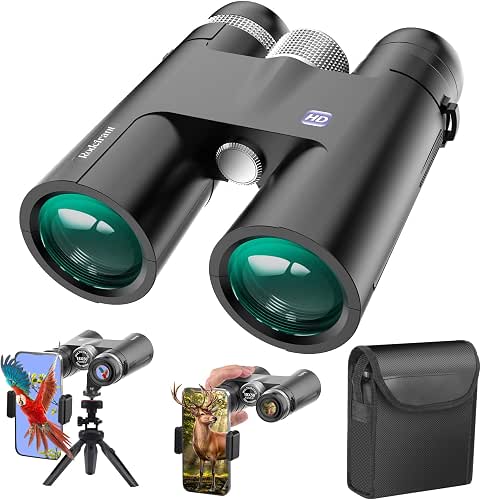
| Best For Digiscoping | Magnification: 18x | Objective Lens: 50 mm | Prism Type: BAK4 prisms | VIEW LATEST PRICE | Read Our Analysis |
| Nikon Monarch M5 8×42 Waterproof Binoculars |

| Best Overall | Magnification: 8x | Objective Lens: 42 mm | Prism Type: Roof prisms | VIEW LATEST PRICE | Read Our Analysis |
| Nikon PROSTAFF P7 10×42 Waterproof Roof Prism Binoculars |
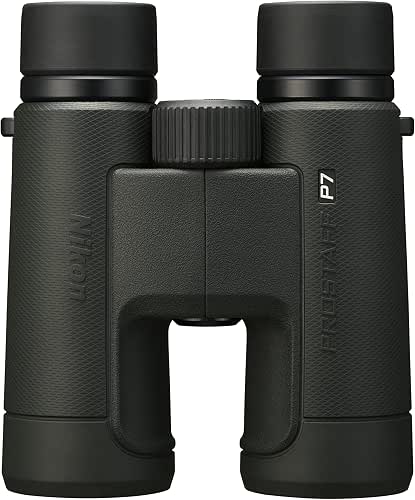
| Best All-Weather | Magnification: 10x | Objective Lens: 42 mm | Prism Type: Roof prisms | VIEW LATEST PRICE | Read Our Analysis |
| Celestron TrailSeeker ED 8×42 Binoculars for Birdwatching |

| Best For Birding | Magnification: 8x | Objective Lens: 42 mm | Prism Type: Roof prism (BaK-4) | VIEW LATEST PRICE | Read Our Analysis |
More Details on Our Top Picks
10-30×50 Zoom Binoculars for Adults BAK4 FMC Lens
Should you want clear bird detail, these 10-30×50 binoculars give you a wide zoom range. You can move from 10x to 30x with a smooth joystick, so you don’t miss a quick wing flick. The 50 mm lenses, BAK-4 prisms, and FMC coating help you see bright, sharp, true-to-color images with less glare, even at dusk. Metal barrels add steady feel, though they’re a bit heavier, so a tripod helps on long sits. Rubber armor, anti-fog sealing, and adjustable eyecups keep your view comfortable and secure.
- Magnification:10–30x zoom
- Objective Lens:50 mm
- Prism Type:BAK4 prisms
- Coatings:FMC multi-coated
- Eye Relief:Adjustable eyecups
- Weatherproofing:Waterproof, fog-resistant, shock-resistant
- Additional Feature:10–30x zoom range
- Additional Feature:Tripod recommended use
- Additional Feature:10-year warranty
20×70 High Powered Binoculars for Adults
20×70 binoculars give bird watchers serious reach without a huge price tag. You get WOZEL’s 20×70 power, a 70 mm objective lens, and a bright BAK4 roof prism with FMC coating, so distant birds look clearer and steadier. The 26 mm eyepiece helps you lock onto details fast, while the smooth manual focus keeps the view sharp. Also, the rubber-coated body feels secure in your hands on trails or at campsites. It’s handy for low-light mornings, comes with a bag, cloth, and strap, and works well for adults who want honest range.
- Magnification:20x
- Objective Lens:70 mm
- Prism Type:BAK4 roof prism
- Coatings:Fully multi-coated
- Eye Relief:26 mm eyepiece
- Weatherproofing:Not water resistant
- Additional Feature:26 mm large eyepiece
- Additional Feature:Includes carrying bag
- Additional Feature:+/-5 diopter adjustment
Celestron Nature DX ED 8×42 Premium Binoculars
Celestron Nature DX ED 8×42 Premium Binoculars give birders sharp, steady views with a premium feel. You get 8x magnification, 42 mm lenses, and ED glass that cuts color fringing, so feathers look crisp. The 5.25 mm exit pupil and full multi-coating help in dim woods and morning-dawn light. You can focus as close as 6.5 feet, which is great for nearby songbirds. With 17.8 mm eye relief, waterproof, fogproof rubber armor, and tripod threads, you’ll feel ready, comfortable, and confident outdoors.
- Magnification:8x
- Objective Lens:42 mm
- Prism Type:BaK-4 roof prisms
- Coatings:Fully multi-coated, dielectric
- Eye Relief:17.8 mm
- Weatherproofing:Waterproof, fogproof
- Additional Feature:ED objective lenses
- Additional Feature:Built-in tripod threads
- Additional Feature:Close focus 6.5 feet
18×50 Professional Binoculars with Phone Adapter and Tripod
18×50 professional binoculars suit bird watchers who want crisp digiscoping. You get 18x magnification, a 50 mm lens, BAK4 prisms, and multi-layer coatings for bright, true color views with a wide field. Because the IP67 body resists rain, seaside spray, and humidity, you can keep watching with confidence. The upgraded phone adapter helps you capture distant birds clearly, while the included tripod stays steady and adjusts to different heights. At 1.1 lb, it folds small, feels easy in one hand, and travels well.
- Magnification:18x
- Objective Lens:50 mm
- Prism Type:BAK4 prisms
- Coatings:Multi-layer coated
- Eye Relief:Not specified
- Weatherproofing:IP67 waterproof
- Additional Feature:Phone adapter included
- Additional Feature:Tripod with adapter
- Additional Feature:IP67 waterproof rating
Nikon Monarch M5 8×42 Waterproof Binoculars
Nikon’s Monarch M5 8×42 brings birders a clear, steady view that feels made for all-day use. You get 8x magnification, a 42 mm lens, and ED glass that cuts color fringing fast. The wide 335-foot field helps you follow fast songbirds without losing them. Because the binoculars are waterproof, fogproof, and rubber-armored, you can trust them in wet woods or dusty trails. You’ll also like the 19.5 mm eye relief, smooth focus knob, and light 22.2-ounce build. It’s easy to carry, and even easier to enjoy.
- Magnification:8x
- Objective Lens:42 mm
- Prism Type:Roof prisms
- Coatings:Fully multi-coated, dielectric
- Eye Relief:19.5 mm
- Weatherproofing:Waterproof, fogproof
- Additional Feature:Aspherical eyepiece lenses
- Additional Feature:19.5 mm eye relief
- Additional Feature:Lightweight 22.2 ounces
Nikon PROSTAFF P7 10×42 Waterproof Roof Prism Binoculars
Nikon PROSTAFF P7 10×42 binoculars suit birders who want crisp views in rough weather. You get 10x magnification, so distant warblers look much closer, while the 42 mm lenses pull in plenty of light. The advanced coatings brighten colors and sharpen fine feather detail. Phase-corrected roof prisms add contrast, and the dielectric prism coating helps keep the image vivid edge to edge. Because the body is lightweight, waterproof, and fogproof, you can trust it in rain or snow. The rubber armor feels secure, and the eyecups and locking diopter make setup easy.
- Magnification:10x
- Objective Lens:42 mm
- Prism Type:Roof prisms
- Coatings:Multilayer coated, dielectric
- Eye Relief:Long eye relief
- Weatherproofing:Waterproof, fogproof
- Additional Feature:Locking diopter ring
- Additional Feature:Fiberglass-reinforced polycarbonate body
- Additional Feature:Oil-repellent lens coating
Celestron TrailSeeker ED 8×42 Binoculars for Birdwatching
Celestron TrailSeeker ED 8×42 binoculars shine for birders who want crisp detail without extra weight. You get 8x magnification, bright 42 mm lenses, and ED glass that keeps colors true and edges sharp. The BaK-4 roof prisms, broadband coatings, and low-light design help you spot birds in shade or at dawn. Because they weigh just 23.5 oz, you can carry them longer without strain. The magnesium alloy body feels sturdy, and the waterproof, fog-proof build keeps you ready. Twist-up eyecups, a smooth focus knob, and tripod support make viewing easy.
- Magnification:8x
- Objective Lens:42 mm
- Prism Type:Roof prism (BaK-4)
- Coatings:Broadband multi-coated, dielectric
- Eye Relief:17.2 mm
- Weatherproofing:Waterproof, nitrogen-purged
- Additional Feature:Magnesium alloy frame
- Additional Feature:Carrying harness included
- Additional Feature:142 m field-view
Factors to Consider When Choosing Binoculars For Bird Watching
Whenever you choose birding binoculars, start with magnification and stability, since too much zoom can make your view shaky. You’ll also want to balance objective lens size, field of view, and light transmission so you can spot birds clearly in different light. Don’t forget eye relief comfort, because provided the view feels easy on your eyes, you’ll enjoy longer watches without strain.
Magnification And Stability
Higher magnification can feel exciting because it pulls distant birds closer, but it also makes every small hand shake show up in the view. Whenever you choose 7x or 8x, you usually get a wider view and easier handheld control, which helps you track quick movers in brush or trees. Once you push past 10x, the image gets more detailed, but it also gets harder to hold steady. That’s why many birders use a tripod or monopod for longer looks at 12x, 15x, or 18x. You should also watch the exit pupil, since a tiny one can make the scene seem dim and twitchy at dawn or dusk. Aim for a balance that feels calm in your hands and clear to your eyes.
Objective Lens Size
Objective lens size shapes how bright and comfortable your binocular view feels, especially as light starts to fade. Whenever you choose larger lenses, like 42 to 70 mm, you let in more light, so birds stay clear at dawn, dusk, or under thick trees. That extra brightness can make a tired eye feel less strained, too. You’ll also get a larger exit pupil, and around 4 to 5 mm usually works well for daytime and low-light use. Still, bigger lenses add weight and bulk, so your binoculars could feel less steady after a while. For sunny, open spaces, 30 to 42 mm often gives you enough brightness in a lighter frame. Should you birdwatch in dim woods, bigger objectives can be worth the tradeoff.
Field Of View
A wide field of view can feel like a small gift from the binoculars, because it lets you see more of the scene without constantly chasing the bird around. For birdwatching, aim for about 300 to 400 feet or more at 1,000 yards, or roughly 6 to 8 degrees. That extra width helps you spot flocks faster and follow quick, zigzagging birds with less stress. It also gives you better awareness in thick brush, where birds love to vanish like they’re playing hide and seek. Keep in mind that higher magnification often narrows the view, so 8x or 10x models usually feel easier to scan with than 12x to 20x options. Whenever you compare binoculars, check both angular and linear FOV, since each tells you something useful.
Light Transmission
Clarity starts with how well your binoculars move light, because that’s what decides whether a bird looks crisp or dull whenever the light gets tricky. You want high transmission, ideally near 90% or more, so dawn songs and shaded branches stay bright and clean. Bigger objective lenses can help, but coatings do real work too. Fully multi-coated or dielectric lenses send more light to your eyes, and phase-corrected roof prisms keep colors true and edges sharp. Also, check the exit pupil. Around 4 to 5 mm works well as your pupils open at sunrise or sunset. Even so, weather and distance can dim the view, so trust strong coatings and solid transmission specs initially. That gives you the most reliable image.
Eye Relief Comfort
Should you wear glasses, eye relief can make the difference between a relaxed morning in the field and a frustrating one, because it decides how close you can hold the binoculars and still see the full view. In case you wear glasses, aim for at least 15 to 18 mm so the edges don’t cut off your image. Should you don’t, shorter eye relief can still feel fine. Twist-up eyecups help you set the right distance, and click-stop or locking designs keep that setting steady while you follow a darting warbler. Also, longer eye relief often comes with a larger exit pupil, which makes finding the bird easier. Before you buy, test the binoculars outdoors with your glasses on to check comfort, field of view, and eye strain.
Weatherproof Durability
While you’re out in the field, weather can change fast, and your binoculars need to keep up. You should choose a pair that’s O-ring sealed and nitrogen- or argon-purged, because that helps block moisture and stops internal fogging whenever temperatures swing. Next, check for a clear waterproof rating, like IPX or a stated depth or pressure spec, since rain, dew, and damp air can show up without warning. Then look at the body, too. Rubber armor and shock-resistant housing help your optics handle bumps, drops, and rough brush. Also, pick corrosion-resistant materials and anti-fog coatings should you often bird near saltwater, in cold air, or in steady rain. Finally, confirm the maker lists real sealing and testing standards.
Weight And Portability
A lighter pair can make a big difference on a long birding day, and that’s where weight and portability matter most. Should you carry binoculars for hours, every extra gram can tug at your neck and shoulders. Heavier models over 900 g can feel steady and bring bigger lenses, but they might wear you down fast. Compact or mid-size binoculars, usually 400 to 800 g, often give you a smarter balance of brightness and comfort. Also, consider the strap, harness, and tripod adapter, because those add up too. Then check how the binoculars fold. Slim, compact hinges slip into daypacks and chest pockets more easily. For all-day birding, a support system can spread the load and help you stay fresh.
Final Thoughts
Bird watching gets better whenever your binoculars feel easy in your hands and clear on your eyes. The right pair helps you spot color, shape, and movement without strain. That matters at dawn, in rain, and during long walks whenever every ounce counts.
This guide walks you through seven strong picks for 2026. You’ll see which ones fit close backyard viewing, distant raptors, wet weather, and serious all day birding.
1. 10-30×50 Zoom Binoculars for Adults, BAK4 FMC Lens
If you want one pair that can handle different distances, zoom binoculars give you that flexibility. The 10-30×50 design lets you stay wide at first, then zoom in once a bird lands far away. That can feel very useful when you’re learning a new trail or watching mixed flocks move through trees.
The 50mm lenses pull in a good amount of light. That helps in early-morning and late-afternoon. BAK-4 prisms and FMC coatings also help keep the image brighter and cleaner. So you get less glare and better detail when the light starts to fade.
This type works best once you want range more than speed. At lower zoom, the view feels easier to hold. At higher zoom, hand shake becomes more noticeable, so steady elbows or a rest help a lot. Should you like having options in one body, this model makes sense.
Use it when:
- You bird watch in open fields or wetlands
- You want one binocular for both near and far viewing
- You need a budget-friendly all purpose choice
2. 20×70 High Powered Binoculars for Adults
Whenever birds stay far off, a high-powered model can feel like a lifeline. The 20×70 setup gives you a much closer look at distant birds, especially over water, on cliffs, or across wide marshes. It’s the kind of binocular that helps once you know the bird is there, but your eyes need backup.
The large 70mm objective lenses gather a lot of light. That helps the view stay usable even though the magnification is strong. Still, this is not the easiest binocular for casual walking. It works better once you’re standing still or using a tripod support.
You should regard this model as a specialist. It gives you a strong reach, but it asks for more stability from you. That tradeoff is fair if your birding style often includes distance. Should you like hawk watching or shoreline scanning, this pair can be a solid match.
Best for:
- Long range bird watching
- Watching birds across lakes, bays, and ridgelines
- Users who don’t mind a heavier build
3. Celestron Nature DX ED 8×42 Premium Binoculars
Once you want sharp views without fuss, 8×42 binoculars are a sweet spot for birding. The Celestron Nature DX ED adds ED glass, which helps reduce color fringing and improves edge detail. That matters when you’re trying to tell one sparrow from another or judge fine feather pattern.
The 8x magnification keeps the image steady and easy to track. That makes it simpler to follow birds as they hop, fly, or dart through branches. The 42mm lenses also give you a bright image without making the binocular feel bulky. So you can carry them for a long time without wishing you hadn’t.
This pair fits many birders because it balances clarity, size, and comfort. It also works well for beginners who want a dependable step up from basic optics. Should you want a calm, clear view that doesn’t fight you, this model stands out.
Why it works well:
- ED glass improves color accuracy
- 8x power feels stable and beginner friendly
- 42mm lenses offer a strong mix of brightness and size
4. 18×50 Professional Binoculars with Phone Adapter and Tripod
Some birders want more than just a view. They want to document what they see, share it, or study it later. That’s where an 18×50 binocular with a phone adapter and tripod support becomes handy. It brings together high magnification and digiscoping style use in one package.
The 18x power gives you a closer look than standard birding binoculars. The 50mm lenses help keep the image bright enough for serious viewing. But the real value here comes from the extras. A phone adapter lets you line up photos, while tripod support helps steady the image for both viewing and recording.
This kind of binocular suits patient birders. It’s not the fastest tool for moving birds, but it rewards careful use. Should you enjoy watching perched owls, distant shorebirds, or resting hawks, you might like the extra detail. It also helps once you want proof of a rare sighting without carrying a full camera setup.
Good for:
- Digiscoping with a phone
- Birding from one spot for longer periods
- Extra detail on far off birds
5. Nikon Monarch M5 8×42 Waterproof Binoculars
The Nikon Monarch M5 8×42 is a strong choice once you want comfort and reliability in one clean design. Nikon built this model for birders who care about natural color and easy handling. That matters because bird watching often means long sessions, not quick glances.
The 8×42 setup gives you a bright, steady image that works well in many settings. Woods, fields, and water edges all benefit from this balance. Waterproof sealing adds peace of mind when weather changes fast. Twist-up eyecups also help you set the right eye position, which makes the view feel more relaxed.
This binocular feels especially good for everyday birding. It does not try to be flashy. Instead, it gives you solid performance where it counts. Should you want a pair that feels trustworthy in real use, this one deserves attention.
Highlights:
- Bright and natural image
- Comfortable 8x field of view
- Weatherproof build for outdoor use
6. Nikon PROSTAFF P7 10×42 Waterproof Roof Prism Binoculars
Once you want a little more reach than 8x gives you, the Nikon PROSTAFF P7 10×42 is a smart step up. The 10x magnification helps when birds stay a bit farther out, and the 42mm lenses still keep the image bright enough for regular field use. That mix gives you extra detail without going too far into shaky territory.
Roof prism binoculars like this often feel sleek and easy to carry. The waterproof sealing and fog resistance help once you move from cool mornings to warm afternoons. That kind of reliability matters more than people realize, especially when you bird watch in changing weather.
This model is a good middle ground. It gives you more reach than 8x binoculars, but it still stays practical for day to day use. Should you be the kind of birder who wants detail and control in equal measure, this pair fits well.
A few reasons it stands out:
- 10x power helps with distant birds
- Waterproof design supports rough weather
- Balanced shape makes it easy to carry
7. Celestron TrailSeeker ED 8×42 Binoculars for Birdwatching
The Celestron TrailSeeker ED 8×42 is built for birders who want a sharp, dependable view with a more premium feel. ED glass helps keep colors clean, while phase-corrected prisms improve contrast and detail. That gives you a clearer image when birds hide in leaves or brush.
The 8×42 format again proves its worth here. It stays steady, bright, and comfortable for long use. The build also feels ready for real outdoor work. Should you spend time walking trails, watching feeders, or scanning wetlands, this pair can keep up without wearing you down.
What makes this model appealing is its polished performance. It doesn’t just show you a bird. It helps you notice shape, edge detail, and subtle color changes. That can make your birding feel more confident and more rewarding.
Strong points:
- ED optics for better clarity
- Comfortable 8x magnification
- Great fit for long birding sessions
Factors to consider when choosing binoculars for bird watching
Choosing binoculars gets easier whenever you focus on how you actually bird watch. You do not need the most extreme specs. You need the pair that matches your eyes, your habits, and the places you visit.
Magnification
Magnification changes how close a bird looks. An 8x pair gives you a steadier image and a wider view. A 10x pair gives you more detail but can be harder to hold still. Very high power, like 18x or 20x, helps at long range but usually works best with support.
Objective lens size
The second number in binocular specs tells you the lens size. A 42mm lens gives a strong mix of brightness and size. A 50mm or 70mm lens can gather more light, which helps in dim settings. Bigger lenses also make binoculars heavier, so there is always a tradeoff.
Glass quality
ED glass helps reduce color blur and gives you cleaner edges. BAK-4 prisms and FMC coatings also improve brightness and clarity. These features matter because bird plumage can be subtle. A better optic helps you see details that cheaper glass may hide.
Weight and comfort
If binoculars feel awkward, you may stop carrying them. That is why balance matters so much. Look for a pair that feels steady in your hands and not too heavy around your neck. Twist-up eyecups, a smooth focus wheel, and a comfortable grip can make a big difference.
Weather protection
Birding does not stop when the sky turns gray. Waterproof and fog-proof binoculars help you stay out longer without worry. Sealed bodies also protect your gear from damp mornings, mist, and sudden showers. That kind of protection can save a day in the field.
Close focus
Close focus matters more than many people expect. It helps once you watch songbirds, feeders, butterflies, or birds near brush. If the binocular can focus closely, you’ll enjoy more of the small details that make birding fun.
Tripod use and accessories
High-powered binoculars often work better with a tripod. That support cuts shake and helps you study distant birds longer. Phone adapters also help should you like to record sightings or compare field marks later. If you enjoy sharing your finds, those extras can be worth it.
Eye relief and eyecups
If you wear glasses, eye relief becomes very important. You need enough distance to see the full image without strain. Adjustable eyecups also help you place the binoculars properly. Once the fit is right, birding feels much easier on your eyes.
Choosing the right pair for your style
The best binocular is the one that matches your birding life, not someone else’s. Should you like easy tracking and long comfort, 8×42 models make a lot of sense. Should you often watch birds far away, 10×42 or stronger options might help more. And should you want to study distant birds from a fixed spot, high-powered binoculars can shine.
Ponder where you bird watch most. Woods call for a steady, bright view. Open water calls for more reach. Wet weather calls for strong sealing. Once you match the binocular to your setting, the whole experience feels smoother and more enjoyable.
Very short summary
You’ll enjoy bird watching more whenever your binoculars match your style and your surroundings. Pick the pair that feels steady, bright, and comfortable in your hands. As the saying goes, the right tool makes the job easier. Trust your needs, not hype. Once you choose well, every flicker in the trees feels closer, clearer, and a lot more exciting.