7 Best Bird Guards for 2026
Bird guards help keep pigeons and other birds off ledges, panels, and nesting spots. Different designs work for different areas.
Spike strips suit flat surfaces. Mesh kits protect solar panels. Reflective and copper options fit smaller problem spots. The right choice depends on the surface, the bird species, and how long you need protection.
| Bird Spikes for Outdoor Bird Deterrent (20 Pack) |
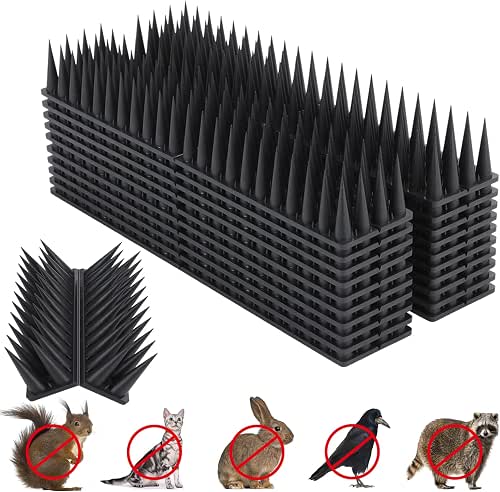
| Best Budget Spike | Deterrent Type: Bird spikes | Material: ABS plastic | Coverage: 18.7 ft | VIEW LATEST PRICE | Read Our Analysis |
| OFFO Bird Scare Reflective Device for Outdoor Use |
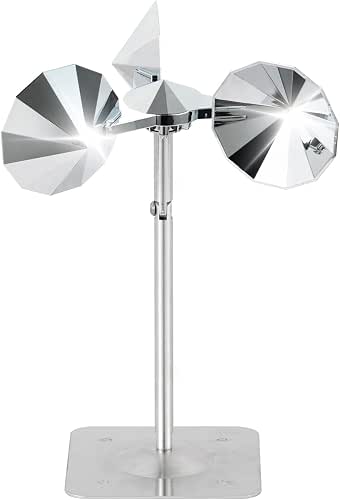
| Best Reflective Guard | Deterrent Type: Reflective scare device | Material: Aluminum/stainless steel | Coverage: Wide-area protection | VIEW LATEST PRICE | Read Our Analysis |
| Metal Bird House Guard with Copper Portal |

| Best Nest Guard | Deterrent Type: Bird house guard | Material: Copper metal | Coverage: 4 guards | VIEW LATEST PRICE | Read Our Analysis |
| Boenoea Bird Spikes for Outdoor Bird Deterrence |
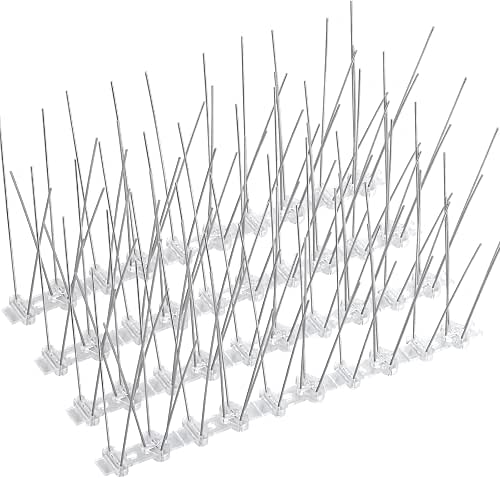
| Best Small-Space Spike | Deterrent Type: Bird spikes | Material: Stainless steel/plastic | Coverage: 3.3 ft | VIEW LATEST PRICE | Read Our Analysis |
| Bird Spikes Stainless Steel Bird Deterrent (10 Pack) |

| Best Stainless Steel | Deterrent Type: Stainless steel spikes | Material: 304 stainless steel | Coverage: 10 ft | VIEW LATEST PRICE | Read Our Analysis |
| Bird Spikes for Outdoor Fences and Roofs |
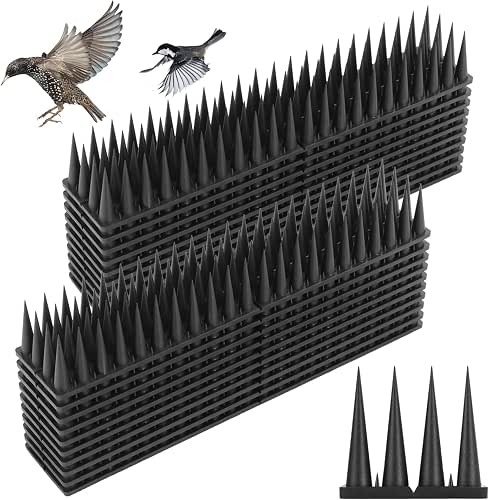
| Best Coverage | Deterrent Type: Bird spikes | Material: ABS plastic | Coverage: 37.3 ft | VIEW LATEST PRICE | Read Our Analysis |
| VEVOR Solar Panel Bird Guard Wire Mesh Kit |

| Best Solar Guard | Deterrent Type: Wire mesh guard | Material: Steel with PVC coating | Coverage: 98 ft | VIEW LATEST PRICE | Read Our Analysis |
More Details on Our Top Picks
Bird Spikes for Outdoor Bird Deterrent (20 Pack)
In case you want the best budget spike for keeping birds off your space, this 20-pack fits neatly. You get 20 bird spike pieces with about 18.7 feet of coverage, and you can extend them to nearly 35 feet for longer runs. Each 11 x 2.1 x 1.4-inch unit has four flexible, detachable sections, so you can adapt them to fences, roofs, and patios. The ABS plastic resists rust and corrosion, and it lasts outdoors. You can install them with nails, glue, or cable ties. They deter birds without harm, and they can also discourage raccoons, squirrels, and reptiles.
- Deterrent Type:Bird spikes
- Material:ABS plastic
- Coverage:18.7 ft
- Install Method:Nails/glue/ties
- Weather Resistance:Rust-resistant
- Target Pests:Birds/squirrels/raccoons/reptiles
- Additional Feature:Flexible detachable sections
- Additional Feature:20-piece pack
- Additional Feature:Environmentally friendly
OFFO Bird Scare Reflective Device for Outdoor Use
Should you need a wide-coverage deterrent, OFFO’s reflective guard stands out for outdoor spaces. You get mirrored polygonal blades that spin and throw light, creating visual disturbance that keeps pigeons, woodpeckers, and sparrows from landing, nesting, or roosting. The extra top blade expands coverage, and the unit works well in changing weather. Its aluminum body resists corrosion, while the stainless bearing helps it rotate smoothly. You can bend the neck 90–180 degrees for easier positioning, and setup is simple with included tools. Use it on roofs, boats, gardens, patios, railings, or signs.
- Deterrent Type:Reflective scare device
- Material:Aluminum/stainless steel
- Coverage:Wide-area protection
- Install Method:Included hardware
- Weather Resistance:Corrosion-resistant
- Target Pests:Birds
- Additional Feature:Mirrored fan blades
- Additional Feature:90-180° adjustable neck
- Additional Feature:Replaceable blade design
Metal Bird House Guard with Copper Portal
Built for Eastern Bluebird houses, this metal guard acts as your go-to nest protector. You get four copper guards and 16 mounting screws, so you can outfit multiple boxes or keep spares ready. Its 1 1/8-inch inner diameter fits Eastern Bluebirds, but you should verify size before buying. The 1 mm copper build with a galvanized finish resists rust, corrosion, and bending. It helps block cats and other birds from damaging the entrance, while protecting chicks inside. Handle it carefully, since the edges can be sharp, and reuse it season after season.
- Deterrent Type:Bird house guard
- Material:Copper metal
- Coverage:4 guards
- Install Method:Screws
- Weather Resistance:Anti-rust
- Target Pests:Predators
- Additional Feature:1 1/8-inch opening
- Additional Feature:Includes 16 screws
- Additional Feature:Reusable long-term use
Boenoea Bird Spikes for Outdoor Bird Deterrence
Boenoea’s stainless steel spikes make a strong small-space deterrent for fences, windowsills, and roofs. You get a weather-resistant design that resists rust and loosening, so it holds up outdoors. The spiky profile discourages birds and small animals without harming them, giving you a humane way to protect tight areas. Each pack includes four sections with about 3.3 feet of coverage. You can mount them with double-sided tape, cable ties, screws, or nails. The plastic base has preformed holes, so installation stays quick and simple on flat surfaces.
- Deterrent Type:Bird spikes
- Material:Stainless steel/plastic
- Coverage:3.3 ft
- Install Method:Tape/ties/screws
- Weather Resistance:Weather-resistant
- Target Pests:Birds/squirrels
- Additional Feature:Stainless steel spikes
- Additional Feature:Preformed mounting holes
- Additional Feature:3.3-foot total length
Bird Spikes Stainless Steel Bird Deterrent (10 Pack)
Provided that you need a tough, humane barrier, these 304 stainless steel bird spikes stand out. You’ll get 60 spikes per strip, angled inward and outward to mimic thorny plants and keep birds from landing. Each spike uses small needles for full coverage, and the bright stainless finish helps reflect light, enhancing deterrence. You can bend, wrap, or cut the 10-foot strips to fit roofs, fences, poles, pipes, or sills. They resist rust, need no upkeep, and won’t leave stains. Wear gloves, though, because the material’s hard.
- Deterrent Type:Stainless steel spikes
- Material:304 stainless steel
- Coverage:10 ft
- Install Method:Clamp/bend/cut
- Weather Resistance:Weatherproof
- Target Pests:Birds/squirrels/raccoons/cats
- Additional Feature:60 spikes per strip
- Additional Feature:360° needle coverage
- Additional Feature:Bendable and trimmable
Bird Spikes for Outdoor Fences and Roofs
Should you need wide, flexible coverage for fences and roofs, these bird spikes fit the bill. You get 40 strips totaling 37.3 feet, and each strip breaks into four smaller pieces for tight edges, ledges, and corners. The ABS plastic resists rust, UV rays, and weather, so you can leave it outdoors year-round. Mount them with screws, zip ties, glue, or double-sided tape. They create a harmless barrier that discourages birds and small animals on fences, roofs, balconies, porches, walls, and eaves. Need help? Customer care replies within 24 hours.
- Deterrent Type:Bird spikes
- Material:ABS plastic
- Coverage:37.3 ft
- Install Method:Screws/glue/tape/ties
- Weather Resistance:UV/weatherproof
- Target Pests:Birds/small animals
- Additional Feature:40 spike strips
- Additional Feature:Divisible into four
- Additional Feature:No special tools
VEVOR Solar Panel Bird Guard Wire Mesh Kit
VEVOR’s 8-inch mesh roll is a strong fit provided you want the best solar guard for DIY critter protection. You get a black PVC-coated steel mesh kit that spans 8 inches × 98 feet, so you can block birds, squirrels, and rodents under panels. Its 1/2-inch openings still let wind and water pass through, and the welded build adds durability. You can shape it around corners, conduits, and vents, then secure it with the included 100 fasteners and 50 zip ties. It’s also handy for fence or roof barriers.
- Deterrent Type:Wire mesh guard
- Material:Steel with PVC coating
- Coverage:98 ft
- Install Method:Fasteners/zip ties
- Weather Resistance:PVC-coated outdoor mesh
- Target Pests:Birds/squirrels/rodents/critters
- Additional Feature:1/2-inch mesh openings
- Additional Feature:100 fasteners included
- Additional Feature:50 zip ties
Factors to Consider When Choosing Bird Guard
Whenever you choose a bird guard, match it to the bird type you’re trying to block and the deterrent method that works best for your setup. You should also look at material durability, installation options, and how much coverage area the guard provides. Those factors’ll help you pick a solution that lasts and actually protects your space.
Bird Type Targeted
Bird type matters because the right guard has to match the bird you’re trying to stop. You need to know whether you’re handling small songbirds, pigeons, crows, or another species, since size and weight affect spacing, height, and strength. Match the guard to the bird’s habits too: ground-foragers need barriers, perching birds need ledge protection, and cavity-nesters need entrance control. Should the species gathers in flocks or keeps returning, you’ll need broader, more continuous coverage. Watch seasonal nesting cycles so you install exclusions at the right time and avoid legal problems. Also, consider how the bird could bypass the guard via climbing, squeezing through gaps, or flying around it, then choose a design with tight fit and secure anchoring.
Deterrent Method
Choose a deterrent method based on how and where birds are landing, because each option works differently. Physical barriers like spikes, strips, and mesh create an uncomfortable perch and keep working all day without harming birds, so they’re great for ledges, rails, and roof edges. Should your space be open and sunny, visual or reflective deterrents, such as mirrors and rotating reflectors, can startle birds with light and motion, though they’re weaker in shade or clouds. Auditory repellents might reduce roosting, but birds often get used to them, and they can bother people or pets. Taste or chemical repellents can help too, while exclusion netting blocks access outright.
Material Durability
Durability matters because a bird guard has to withstand sun, rain, wind, and pressure for years without failing. You should pick materials with strong UV and corrosion resistance, such as 304 or 316 stainless steel or UV-stabilized plastics, so the guard keeps performing outdoors. Check tensile strength and stiffness, too; thicker mesh or steel resists bending and animal pressure far better than thin plastic. In wet or coastal areas, finishes like galvanization, powder coating, or electroplating help stop rust and flaking. You’ll also want low-maintenance materials that don’t need regular treatment, which cuts long-term upkeep. Finally, make sure the material handles heat, cold, and freeze-thaw cycles without becoming brittle or soft.
Installation Options
Once you’ve picked a bird guard material that can stand up to weather and wear, the next thing to sort out is how you’ll install it. Match the mounting method to the surface: use screws or nails on wood or concrete, industrial adhesive on smooth stone or metal, and zip ties or cable ties on rails and mesh. Check that the strip length works for your space, and look for modular or interlocking sections you can cut or join around corners and uneven edges. Make sure the guard has enough fastener points, ideally every 4–6 inches, so wind and birds can’t pry it loose. Consider access too; some jobs need only a screwdriver, while rooftop installs might call for ladders, harnesses, or help. Choose removable mounts for rentals and corrosion-resistant hardware outdoors.
Coverage Area
To get the right bird guard coverage, start measuring the linear length of every ledge, eave, rail, and other perch you want to protect, then add 10–20% for overlaps and corners. Next, separate vertical and horizontal runs, because roof ridges, gutters, sills, and railings each need different lengths and spacing. Should you’re using mesh or panels, multiply length by width to find the protected area, and pick a size that blocks the target birds while still letting air move. For strips or spikes, check how many units cover each section so you can build continuous runs without seams. Don’t forget vents, downspouts, and posts; measure their perimeter clearance so you can trim guards and keep protection unbroken everywhere.
Surface Compatibility
After you’ve measured the coverage area, make sure the bird guard will actually work with the surface you’re mounting it on. Check whether you’re handling wood, metal, concrete, PVC, or glass, because some guards need screws, while others hold better with adhesive or zip ties. Measure edge widths and ledge depths too; narrow ledges under 1.5 inches often call for slim spikes or segmented strips, while wide, flat areas can support full-width panels or long strips. Surface texture matters as well. Smooth, nonporous surfaces like glass or painted metal usually need mechanical fasteners or specialty adhesives, but rough porous materials like brick or wood give glue and screws better purchase. Should your surface curve or flex, choose mesh or segmented guards.
Safety Design
Safety design matters just as much as deterrence, so choose bird guards that are safe for both people and wildlife. You should look for smooth-edged materials or guards with protective plastic or rounded metal bases, since sharp corners can cut you and injure birds. Pick deterrents that discourage landing without piercing skin, such as blunt-tipped spikes, dense mesh, or angled barriers. You’ll also want UV- and weather-resistant construction like ABS or stainless steel, because degrading parts can shed sharp fragments or fail. Check that mounting is secure with screw holes, adhesive, or zip-tie options, so the guard won’t dislodge. Finally, choose designs you can inspect, clean, and replace easily to keep rust, loose fasteners, and broken components from becoming hazards.
Weather Resistance
Each time you choose bird guards for outdoor use, weather resistance should be a top priority because sun, rain, snow, and salt can quickly weaken poor materials. You should pick UV-resistant, corrosion-protected options like stainless steel or UV-stabilized plastics, so they won’t get brittle, rust, or deteriorate in harsh sun. Make sure the guard’s seals, fasteners, and finishes can handle your climate; waterproof joints, galvanized coatings, and 304 or 316 stainless hardware stand up well to rain, snow, and salt spray. Check temperature specs for freeze-thaw resistance and heat flexibility, too. Designs with mesh openings or raised bases let water drain and air flow, which helps prevent ice buildup and mildew. Warranties, gauge thickness, and corrosion ratings also hint at long-term durability.
Frequently Asked Questions
How Do Bird Guards Affect Building Aesthetics?
Bird guards can change your building’s look, but you can choose designs that blend in. They will protect surfaces and preserve clean lines, though visible hardware might slightly reduce a sleek, modern appearance generally.
Are Bird Guards Safe for Nesting Birds?
No, you should not rely on bird guards for nesting birds; they can block access and disturb nests. You will protect wildlife better by installing them outside nesting seasons and checking local rules first.
Can Bird Guards Work in Extreme Weather?
Yes, you can use bird guards in extreme weather provided you choose durable, weatherproof materials and secure installation. You’ll still need to inspect them after storms, since wind, ice, and debris can loosen or damage guards.
How Often Should Bird Guards Be Inspected?
You should inspect bird guards at least twice a year, and after storms or heavy debris buildup. You will catch loose fittings, damage, or blockages promptly, so they keep protecting your home effectively.
Do Bird Guards Require Professional Installation?
No, you do not always need professional installation. You can install simple bird guards yourself, but complex roofs, fragile materials, or hard to reach areas often justify hiring a pro for safer, longer lasting results.
Wrap Up
Whenever you choose the right bird guard, you’re not just blocking nuisance birds—you’re drawing a quiet line in the sky. From spiky sentinels on ledges to mesh armor under solar panels, each option helps your space stand like a fortress with softer edges. Pick the guard that fits your home, and you’ll turn chaos into calm, keeping feathers at bay while your property stays protected, polished, and peacefully yours.