5 Best Lens for Bird Photography in 2026
Bird photography in 2026 needs a lens that can reach far, focus fast, and stay sharp.
A lightweight design also helps during long shoots in the field. Telephoto zooms around 100-400mm or 200-600mm are popular choices. Prime super-telephotos give even better reach and image quality, though they cost more and weigh more.
The five lenses below cover different budgets, shooting styles, and levels of mobility.
| Canon RF100-400mm Telephoto Lens for EOS R Cameras |
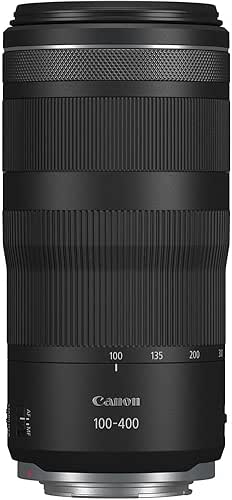
| Best Overall | Focal Range: 100–400mm | Max Aperture: f/5.6–8 | Autofocus: Nano USM | VIEW LATEST PRICE | Read Our Analysis |
| Sony 200-600mm G OSS Super-Telephoto Zoom Lens |
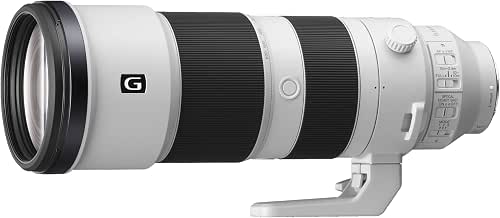
| Best Reach | Focal Range: 200–600mm | Max Aperture: f/5.6–6.3 | Autofocus: DDSSM | VIEW LATEST PRICE | Read Our Analysis |
| Sony FE 100-400mm GM OSS Telephoto Zoom Lens (SEL100400GM) |
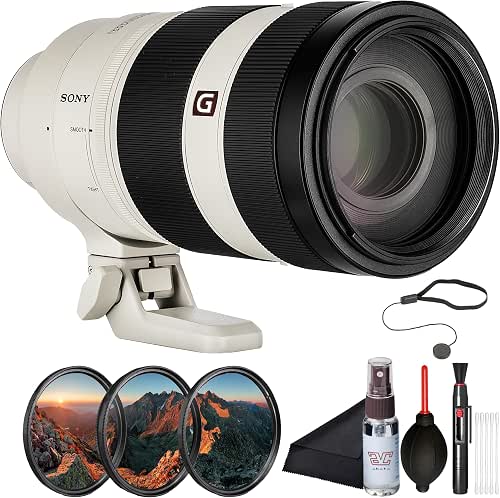
| Best Premium | Focal Range: 100–400mm | Max Aperture: f/4.5–5.6 | Autofocus: Dual Linear + SSM | VIEW LATEST PRICE | Read Our Analysis |
| Tamron 28-200 F/2.8-5.6 Di III Lens (AFA071S700) |

| Best All-in-One | Focal Range: 28–200mm | Max Aperture: f/2.8–5.6 | Autofocus: RXD | VIEW LATEST PRICE | Read Our Analysis |
| Tamron 70-300mm Di III RXD Lens for Sony |
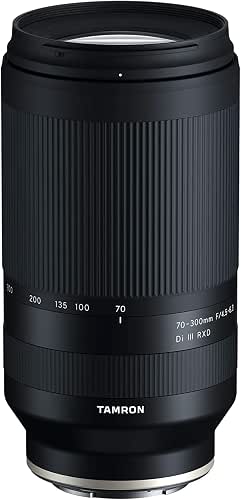
| Best Budget Pick | Focal Range: 70–300mm | Max Aperture: f/4.5–6.3 | Autofocus: RXD | VIEW LATEST PRICE | Read Our Analysis |
More Details on Our Top Picks
Canon RF100-400mm Telephoto Lens for EOS R Cameras
Should you shoot birds on Canon EOS R, this telephoto zoom stands out as the top all-around pick. You get a 100-400mm range, Nano USM autofocus, and a compact 816-gram build that’s easy to carry on long field days. The RF mount lens works with EOS R bodies like the R5, R6, R, and RP, and its 5.5-stop optical IS helps steady handheld shots. Pair it with IBIS for up to 6 stops. You can use RF1.4x or RF2x extenders for even more reach, while the UD element keeps color fringing in check.
- Focal Range:100–400mm
- Max Aperture:f/5.6–8
- Autofocus:Nano USM
- Mount Type:Canon RF
- Image Stabilization:Optical IS
- Weight:816 g
- Additional Feature:Nano USM focusing
- Additional Feature:5.5-stop stabilization
- Additional Feature:RF1.4x/2x extender compatible
Sony 200-600mm G OSS Super-Telephoto Zoom Lens
Sony’s 200-600mm G OSS gives you serious reach for birds that won’t sit still. You get a Sony E-mount super-telephoto zoom with a 200–600mm range, and it still keeps G-series autofocus performance whenever you add 1.4x or 2.0x teleconverters. The high-power DDSSM motor locks focus quickly, while Optical SteadyShot helps you shoot handheld. Five ED elements, one aspherical element, and Nano AR coating enhances sharpness and cut flare. Its 11-blade aperture creates smooth background blur, and the 2.11 kg build balances power with portability.
- Focal Range:200–600mm
- Max Aperture:f/5.6–6.3
- Autofocus:DDSSM
- Mount Type:Sony E
- Image Stabilization:OSS
- Weight:2.11 kg
- Additional Feature:11-blade circular aperture
- Additional Feature:Nano AR Coating
- Additional Feature:95mm filter thread
Sony FE 100-400mm GM OSS Telephoto Zoom Lens (SEL100400GM)
Provided you want elite bird shots with premium reach, the Sony FE 100-400mm GM OSS fits the bill. You get full-frame E-mount compatibility, and on APS-C bodies it delivers a 150–600 mm equivalent, which adds serious flexibility. Its G maestro optics use two ED elements and one Super ED element to cut chromatic aberration, while Nano AR Coating tames flare. You’ll see crisp detail, rich contrast, and soft bokeh. Fast dual linear motors and Direct Drive SSM keep autofocus quiet. Internal zooming, customizable focus buttons, and weather sealing make it dependable in the field.
- Focal Range:100–400mm
- Max Aperture:f/4.5–5.6
- Autofocus:Dual Linear + SSM
- Mount Type:Sony E
- Image Stabilization:OSS
- Weight:Not listed
- Additional Feature:G Master optics
- Additional Feature:Fluorine-coated front element
- Additional Feature:Zoom torque adjustment
Tamron 28-200 F/2.8-5.6 Di III Lens (AFA071S700)
Tamron’s 28-200mm all-in-one zoom gives you a flexible birding setup whenever you desire one lens to do it all. You can shoot wide at 28mm, then reach to 200mm for closer bird subjects without changing lenses. The f/2.8-5.6 aperture helps you work in varying light, while the RXD stepping motor keeps autofocus exceptionally quiet. At just 4.6 inches and 20.3 ounces, it stays easy to carry on long walks. Moisture-resistant construction, a fluorine coating, and a Zoom Lock switch add practical protection and convenience whenever you’re out in the field.
- Focal Range:28–200mm
- Max Aperture:f/2.8–5.6
- Autofocus:RXD
- Mount Type:Sony E
- Image Stabilization:Moisture-resistant
- Weight:20.3 oz
- Additional Feature:4.6-inch compact length
- Additional Feature:RXD stepping motor
- Additional Feature:Zoom Lock switch
Tamron 70-300mm Di III RXD Lens for Sony
Should you want a lightweight, budget-friendly birding zoom for Sony, the Tamron 70-300mm Di III RXD fits the bill. You get a compact, black telephoto lens designed for Sony full-frame and APS-C E-mount mirrorless bodies. Its 15-element, 10-group optical design aims for sharp results, while the RXD motor focuses quickly and quietly on birds in flight. Close-focus capability helps whenever subjects approach you, and moisture-resistant construction increases confidence outdoors. Tamron backs it with a 6-year limited USA warranty, so you can shoot with added peace of mind.
- Focal Range:70–300mm
- Max Aperture:f/4.5–6.3
- Autofocus:RXD
- Mount Type:Sony E
- Image Stabilization:Moisture-resistant
- Weight:Not listed
- Additional Feature:15 elements, 10 groups
- Additional Feature:1:5.1 tele reproduction
- Additional Feature:6-year USA warranty
Factors to Consider When Choosing a Lens For Bird Photography
Once you choose a bird photography lens, you need to balance focal length range, aperture speed, autofocus performance, image stabilization, and weight. A longer reach helps you frame distant birds, whereas a fast aperture and responsive autofocus help you capture sharp images in changing light and quick action. You’ll also want stabilization for steadier shots and a lens that’s light enough to carry comfortably on long outings.
Focal Length Range
For most bird photography, a focal length around 400–600 mm on full-frame, or the equivalent on a crop sensor, gives you the best balance of reach and framing without relying on heavy cropping. That range lets you isolate birds at a useful distance while still composing cleanly. Should you shoot tiny or easily spooked species, 600–1200 mm equivalent can fill the frame better, but you’ll need more stable support and must watch minimum focus distance. Keep in mind that crop factors and teleconverters change your effective reach: a 400 mm lens with a 1.4x converter becomes 560 mm, and a 2x converter reaches 800 mm. Match focal length to habitat too—open marshes call for more reach, while woods and backyards often favor 300–400 mm.
Aperture Speed
A lens with a larger maximum aperture, such as f/4 or wider, gives you more flexibility for bird photography because it lets in more light and helps you use faster shutter speeds to freeze quick wingbeats and sudden movement. That extra light matters because each stop gives you roughly twice the brightness, so you can often shoot at double the shutter speed or drop ISO by one stop. With long telephoto lenses, you’ll often want 1/1000s or faster for small, fast birds, especially in dim conditions. Wider apertures also blur backgrounds more, which makes your subject stand out. Just bear in mind that depth of field gets thinner, so you’ll need accurate framing. In case the bird is distant, f/5.6 to f/8 can give you a bit more usable sharpness.
Autofocus Performance
Even with a bright aperture helping you freeze action, autofocus performance can make or break your bird photos. You should favor lenses with fast continuous AF and strong subject tracking, because birds in flight change direction without warning. High-speed focus motors and very short focus lag enhance your hit rate, especially whenever your camera offers advanced AF algorithms and high burst shooting. Look for reliable eye or animal recognition and wide AF coverage, so small birds stay locked even near the frame edges. At long focal lengths, consistent calibration matters; you don’t want focus shift ruining shots at 400mm to 600mm and beyond. Quiet, smooth AF also helps you avoid startling wary birds and keeps video looking clean, with less hunting.
Image Stabilization
Image stabilization can be a huge help in bird photography, especially once you’re working with long telephoto lenses where even tiny hand movements show up in the frame. You’ll want a lens or camera system that gives you about 4–6 stops of shake correction, because that extra margin lets you handhold at slower shutter speeds whenever light drops. At very long reaches, coordinated lens-plus-body stabilization can do even better through correcting both angular and shift motion, so it’s worth prioritizing in case you shoot far-off subjects. Still, stabilization won’t freeze a bird in flight; you’ll often need 1/1000s or faster for sharp action. It helps most with steady handshake and panning, but performance can taper at extreme focal lengths and with long extenders.
Weight And Portability
Stabilization helps, but once you start carrying long telephotos into the field, weight and portability can shape your shooting experience just as much. Longer birding lenses often weigh 1–2 kg or more, so you should count the whole kit, not just the lens, before you commit to an all-day hike. Heavier glass can give you more reach and a brighter aperture, but it also tires you out faster and makes shake more likely, so you might require a monopod, tripod, or gimbal. In the event you handhold often, look for options under about 1 kg for quicker tracking. Also judge length, balance, and packability; a compact setup rides better on your shoulder, fits a backpack more easily, and lets you get shooting sooner at remote sites.
Weather Resistance
Whenever you’re birding in unpredictable conditions, weather resistance can make the difference between getting the shot and cutting the day short. You’ll want a weather-sealed lens with dust and moisture resistance to protect internal elements and electronics while you’re shooting in rain, fog, or dusty habitats. Pay attention to sealing around the mount, switches, and zoom or focus rings, since that helps block water ingress and makes cleanup easier after wet sessions. A fluorine or other protective front coating also helps repel water, oil, and dirt, so you can wipe off raindrops faster. Even so, carry a rain cover for heavy downpours, avoid changing lenses outdoors, and check manufacturer ratings plus user reports, because durability varies and weather resistance isn’t a guarantee against damage.
Compatibility And Mount
Even with weather-sealed gear, a lens won’t help provided it doesn’t work properly with your camera body. You need the correct mount, whether that’s a brand-specific mirrorless or DSLR system, so the lens attaches securely and passes autofocus, aperture, stabilization, and EXIF data. Check that it matches your sensor format too: full-frame lenses suit full-frame bodies, while APS-C bodies crop the view and effectively lengthen reach, which can help with distant birds but change your framing. Verify electronic communication for reliable AF and IBIS coordination. In case you use teleconverters, make sure the lens, mount, and flange distance support them without breaking metering or focus. Third-party options can work well, but you ought to confirm firmware updates and long-term compatibility with your mount.
Frequently Asked Questions
Which Lens Is Best for Photographing Small Birds in Low Light?
You’ll get the best results with a fast 400mm or 500mm f/4 lens, or a 300mm f/2.8 with a teleconverter. You need wide aperture, sharp optics, and autofocus that locks quickly in dim, wooded light.
Do Weather-Sealed Lenses Matter for Bird Photography?
Yes, they matter. When rain or spray turns your outing into a Dickensian ordeal, you will appreciate sealing. You still need a rain cover, but weather sealed lenses help you keep shooting longer and worry less.
Is Image Stabilization Essential for Handheld Bird Shooting?
No, it is not essential, but you will benefit from it handheld. You can freeze camera shake and steady framing, especially at long focal lengths. Still, you will need fast shutter speeds to stop bird motion.
Can Teleconverters Improve Bird Photography Results?
Yes, you can use teleconverters to extend reach and frame distant birds tighter, but you will lose some light and sharpness. Pair them with a bright lens, and you will get better results than cropping alone.
What Minimum Focal Length Works for Backyard Bird Photography?
You’ll want at least 200 mm for backyard bird photography, but 300 mm gives you more reach and better framing. If your yard is small or birds stay skittish, 400 mm helps you fill the frame without disturbing them.